



Personality Testing
It also means that I've stopped trying to tell the interviewing person what I think he or she wants to hear. Instead, I try to listen to what they have to say and respond with a genuine statement of how I would approach the job.

A long time ago in a galaxy far, far away I experienced my first job interview. A small daily newspaper just outside of my hometown of Charlotte, N.C., had an opening for a general assignment reporter and on the strength of some recommendations from one of my faculty advisors and some clips from my work on the student paper, I got the call.
Arriving at the newspaper in my Sunday clothes complete with one of those '70s ties that was as wide as a lobster bib, I was ushered into the offices of the executive editor. The guy looked like he'd been brought in to play the role of newspaper editor from some movie studio's central casting office. He was 50ish, a little paunchy, ruddy faced, and he smoked a cigar.
He told me to sit down in a chair in front of his desk, and I did so. For days, I had prepared for this interview, researching the company, galvanizing my knowledge of journalistic practices, ethics, and history, and analyzing my best articles to find their strengths and weaknesses. It all went for naught.
The first question out of the editor's mouth had nothing to do with journalism or my work or my schooling. It was, "Tell me about yourself."
I vapor locked. I started to sweat. I had nothing. All I did was stammer, "I'm 20 years old."
Needless to say, I didn't impress the guy, and my chance to work for that paper ended the moment I couldn't answer that very simple question. Maybe I couldn't answer the question because I just didn't really know who I was in 1981. Or maybe I was just so nervous going into my first professional interview that I froze. But what I really failed to do was bring myself to the interview. It's a fundamental error and one that I hope I've never repeated.
In the 22 intervening years, I've been on a lot of job interviews. (More than I really want to think about.) And if I do say so myself, I've gotten pretty good at them. After all, practice makes perfect.
That doesn't mean that I've been hired for every job that I've ever applied for. But it does mean that I've learned to bring my personality to the appointment. It also means that I've stopped trying to tell the interviewing person what I think he or she wants to hear. Instead, I try to listen to what they have to say and respond with a genuine statement of how I would approach the job.
I've also spent some time on the other side of the interviewing table, and what I really want to talk about is my most recent experience with that duty.
Shortly before Christmas I was asked by a mid-size agency near my home to help them perform an assessment of some of their veteran officers to see who should be promoted. My part in the assessment was to role play an angry citizen in a town meeting precipitated by a fatal police vehicle vs. pedestrian accident.
My mission in this scenario was to twist the candidate's words and generally play an anti-police neighborhood activist type who would never believe that the officer driving the car wasn't reckless or negligent. It wasn't an Oscar-worthy performance, but I think it did the job.
The meeting was so real and so stressful that if I'd been one of the men or women undergoing this ordeal, I probably would have starting stammering like I did at my first job interview. But none of them did. To their credit, each officer came into that room and faced our hostility and remained professional and composed. They were all competent, courteous, and poised.
But somebody had to get the highest marks. And that somebody was the officer who brought his personality into the room along with his training and experience.
We gave the nod to the officer who came into that hostile environment and demonstrated that he was a human being as well as a professional and well-prepared police officer. There's a lesson in that for everyone in all aspects of life. Never forget to bring yourself to the game.
More Training
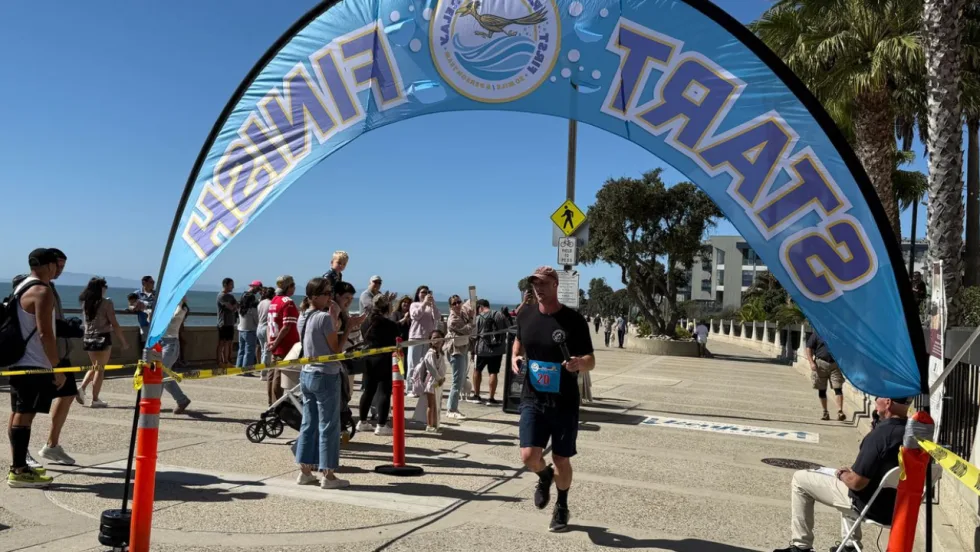
Registration Underway for Sixth Annual First Responders Relay
The California Police Athletic Federation’s annual First Responder Relay will welcome first responder teams from across the globe to compete along Ventura's scenic coastline on Oct. 11. Registration is underway.
Read More →
Vector Solutions Launches Comprehensive Online Dispatch Training Catalog for Emergency Communications Professionals
Vector Solutions’ new catalog of 35 expert-developed online courses can help emergency communication centers strengthen training, meet certification requirements, and simplify continuing education.
Read More →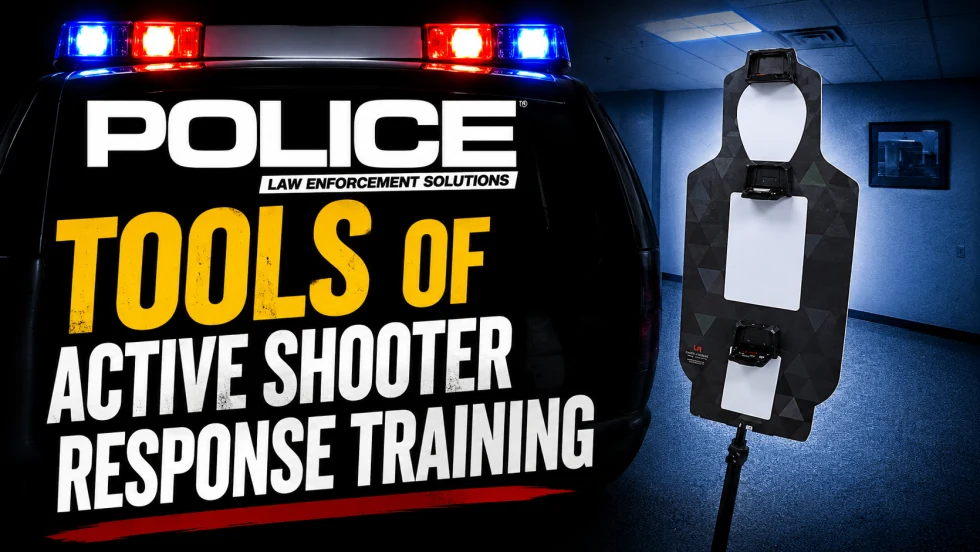
Tools for Active Shooter Response Training
What technologies help prepare officers for active shooter response situations? This behind-the-scenes look at law enforcement training explores shot simulators, smart firearms, laser target systems, and the tools used to build safer, more effective training environments.
Read More →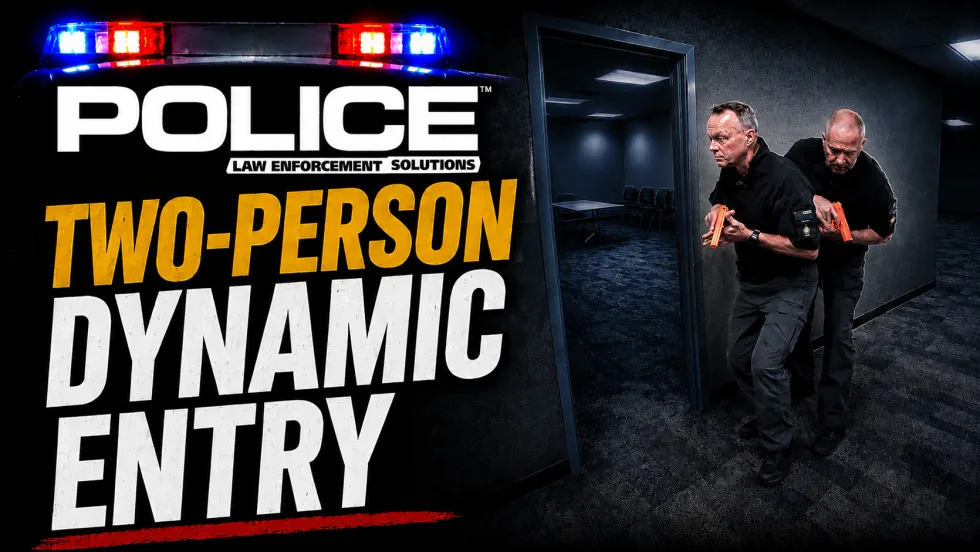
Two-Officer Tactical Doorway Entry Techniques
Entering a room during active-threat situations requires communication, coordination, and disciplined tactical movement. In this video, trainers from the United States Deputy Sheriff’s Association demonstrate critical room entry concepts, including fatal funnel awareness, team coordination, and safe tactical movement.
Read More →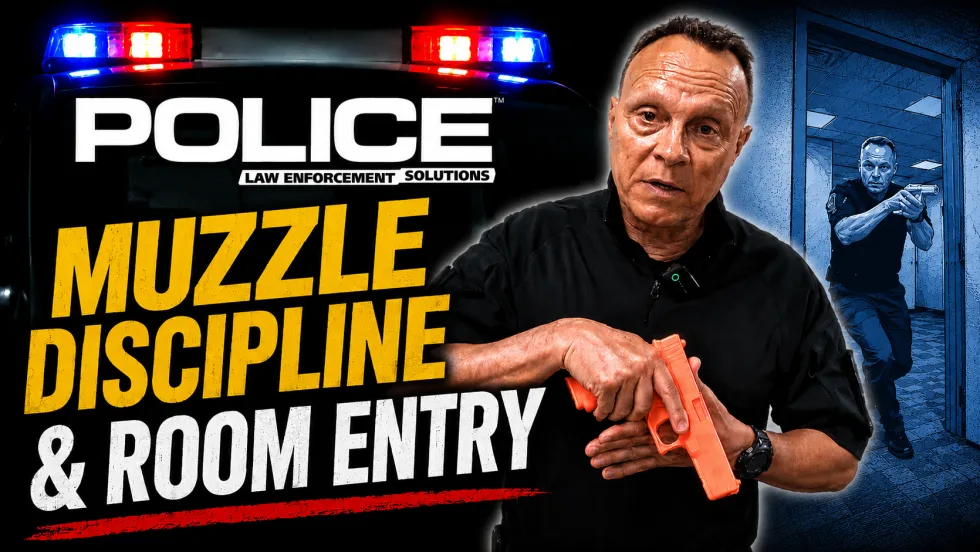
High Compressed Ready Explained | Muzzle Control For Room Entry
In this video, Mike Willis, law enforcement national training and program director for the United States Deputy Sheriffs’ Association, demonstrates the high compressed ready position and discusses muzzle control during room entry.
Read More →
Why Attend the DroneSense Innovation Summit by Versaterm?
Let’s hear from Ryan Bracken, head of product, about why your agency should send someone to the first annual DroneSense Innovation Summit by Versaterm in April.
Read More →
Caswell Live Fire Spins Off from InVeris
Caswell Live Fire has spun off from parent company InVeris, coinciding with the 100th anniversary of Caswell’s founding. Over the past 100 years, Caswell has developed pioneering solutions that support military, law enforcement, and commercial clients worldwide.
Read More →
When Do You Transport a Wounded Officer Instead of Waiting for EMS?
Thumbnail for video series POLICE Topics, Tactics & Tips with a yellow headline that reads When Do You Transport a Wounded Officer Instead of Waiting for EMS?
Read More →
How to Pick Your High-Risk Stop Location for Tactical Advantage
Hear veteran trainer Mike Willis, of the United States Deputy Sheriff’s Association, explain several considerations that can help you wisely pick your best spot to initiate high-risk or felony traffic stops.
Read More →
Coffee Break with Police Experts: Using Your Patrol Vehicle for Cover
In this video, hear from Dustin Mowery, a product specialist at Team Wendy, as he discusses how to best use a patrol vehicle for cover.
Read More →