



Bad Habits
Every time someone tries to kick our butts and we have him fully subdued and cuffed and searched we should look deeply into his eyes and say, "Thanks, I needed that!"

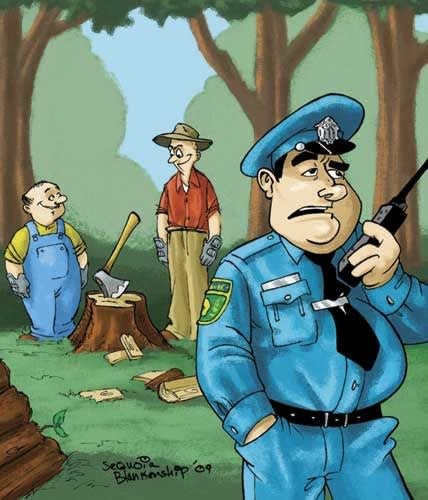
Illustration: Sequoia Blankenship
Curious things, habits. People themselves never knew they had them. —Agatha Christie
I have always loved the above quote, partly because I have had so many bad habits pointed out to me during my life. It is funny that habits are so invisible to those of us who have them, which would be all of us. And most habits can be divided into the categories of good and bad.
Good habits, like flossing regularly, are usually pretty hard to develop. Bad habits seem to just appear or have been programmed into our brain by some sinister force that comes in our sleep and encodes our finger to sneak into our nose to snag that nasty little booger even when folks are looking.
I am constantly saying it is one of the primary jobs of supervisors to look for bad habits in our folks and point them out when discovered. We all know that many of our habits can get us hurt if they are done at the wrong time or reduce our ability to respond to a sudden assault or any other critical event that might occur. My wife, the Sergeant, has taken this concept so seriously she is constantly pointing out my bad habits, even in public.
I've explained at length that I can quickly retract my finger to defend myself if necessary and I am not even on the job anymore and besides, I am running around with an armed Sergeant for a wife. This disclaimer never seems to bring relief from her direct supervision of my bad habits.
OK, quit laughing. Because now it is time to get to your bad habits. I am not talking about your nose-picking, mustache twirling, throat clearing, or ear drilling bad habits. I am talking about your habits that you probably haven't paid attention to in years and are exactly the ones we see when we are reviewing an officer-involved injury, accident, or shooting. We see all sorts of things pop up that can only be explained as bad habits the officer, deputy, or trooper has developed in his or her time on the job.
How many times have you seen a video of an officer getting assaulted with hands in pockets just prior to the attack, turning his back on the subject when using the radio, or standing next to a violator reading the implied consent law within easy striking distance?
How often do you do these types of things? Hopefully you have a sergeant or a supervisor who points these dangerous habits out when you do them, but usually we don't. This is one of those "look in the mirror" moments when you need to really self-evaluate.
The truth is the vast majority of people we deal with are "yes" people who only want to get their darn ticket and get home. Every time someone tries to kick our butts and we have him fully subdued and cuffed and searched we should look deeply into his eyes and say, "Thanks, I needed that!"
These are folks who break our bad habits by reminding us we need our hands out of our pockets and ready to react quickly to a strike, that we never turn our back on subjects, and we keep our bodies bladed to anyone we are talking to. These good habits often get replaced by bad habits and we need to get that fixed!
If you are lucky enough to have a camera in your vehicle use it to monitor yourself, kind of like going over the game film after a ballgame. How do you stand? Where do you stand? What little habits do you have: good and bad? I know this seems odd but the longer it's been since someone tried to hurt you the worse your habits may have become, so look at this as a kind of mental check-up.
If you are really, really lucky you're married to a sergeant who monitors your bad habits and corrects them as soon as you do them since the sooner you receive feedback the better the learning.
"What's that, Honey? No, I...I put the lid down...honest."
Dave Smith is the creator of "Buck Savage" and a retired law enforcement officer from Arizona. Currently, he is the lead instructor for Calibre Press' "Street Survival" seminar.
More Training
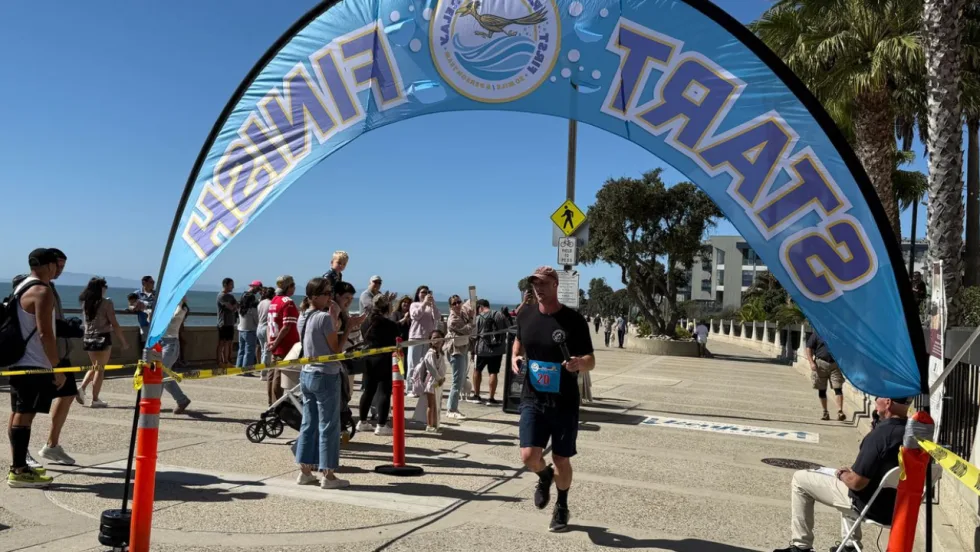
Registration Underway for Sixth Annual First Responders Relay
The California Police Athletic Federation’s annual First Responder Relay will welcome first responder teams from across the globe to compete along Ventura's scenic coastline on Oct. 11. Registration is underway.
Read More →
Vector Solutions Launches Comprehensive Online Dispatch Training Catalog for Emergency Communications Professionals
Vector Solutions’ new catalog of 35 expert-developed online courses can help emergency communication centers strengthen training, meet certification requirements, and simplify continuing education.
Read More →
Tools for Active Shooter Response Training
What technologies help prepare officers for active shooter response situations? This behind-the-scenes look at law enforcement training explores shot simulators, smart firearms, laser target systems, and the tools used to build safer, more effective training environments.
Read More →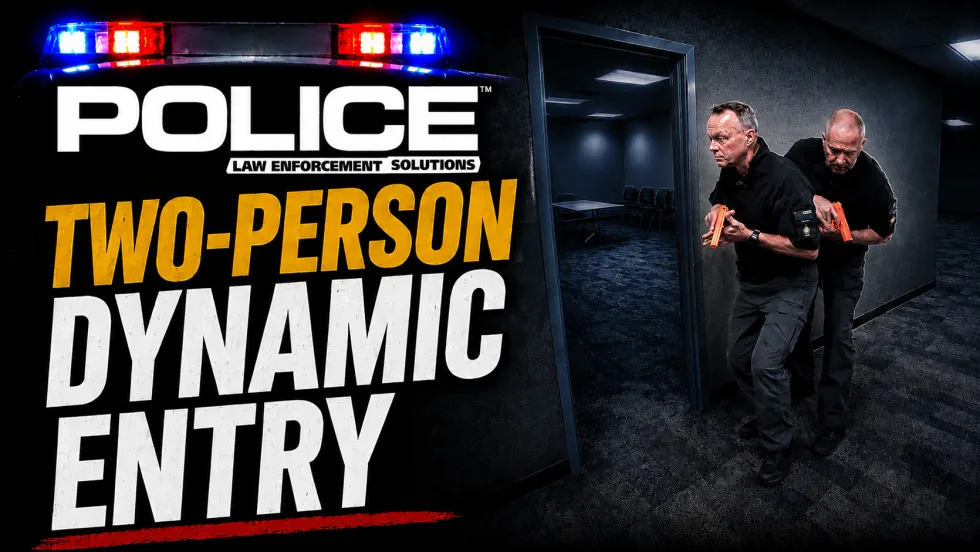
Two-Officer Tactical Doorway Entry Techniques
Entering a room during active-threat situations requires communication, coordination, and disciplined tactical movement. In this video, trainers from the United States Deputy Sheriff’s Association demonstrate critical room entry concepts, including fatal funnel awareness, team coordination, and safe tactical movement.
Read More →
High Compressed Ready Explained | Muzzle Control For Room Entry
In this video, Mike Willis, law enforcement national training and program director for the United States Deputy Sheriffs’ Association, demonstrates the high compressed ready position and discusses muzzle control during room entry.
Read More →
Why Attend the DroneSense Innovation Summit by Versaterm?
Let’s hear from Ryan Bracken, head of product, about why your agency should send someone to the first annual DroneSense Innovation Summit by Versaterm in April.
Read More →
Caswell Live Fire Spins Off from InVeris
Caswell Live Fire has spun off from parent company InVeris, coinciding with the 100th anniversary of Caswell’s founding. Over the past 100 years, Caswell has developed pioneering solutions that support military, law enforcement, and commercial clients worldwide.
Read More →
When Do You Transport a Wounded Officer Instead of Waiting for EMS?
Thumbnail for video series POLICE Topics, Tactics & Tips with a yellow headline that reads When Do You Transport a Wounded Officer Instead of Waiting for EMS?
Read More →
How to Pick Your High-Risk Stop Location for Tactical Advantage
Hear veteran trainer Mike Willis, of the United States Deputy Sheriff’s Association, explain several considerations that can help you wisely pick your best spot to initiate high-risk or felony traffic stops.
Read More →
Coffee Break with Police Experts: Using Your Patrol Vehicle for Cover
In this video, hear from Dustin Mowery, a product specialist at Team Wendy, as he discusses how to best use a patrol vehicle for cover.
Read More →