



Who Loves Ya, Baby?
Being overly emotionally committed to your agency only leads to heartbreak. Unrequited love is one of the toughest emotional hits a human can face and therefore I ask you to rethink your relationship with your agency and those who work with you.

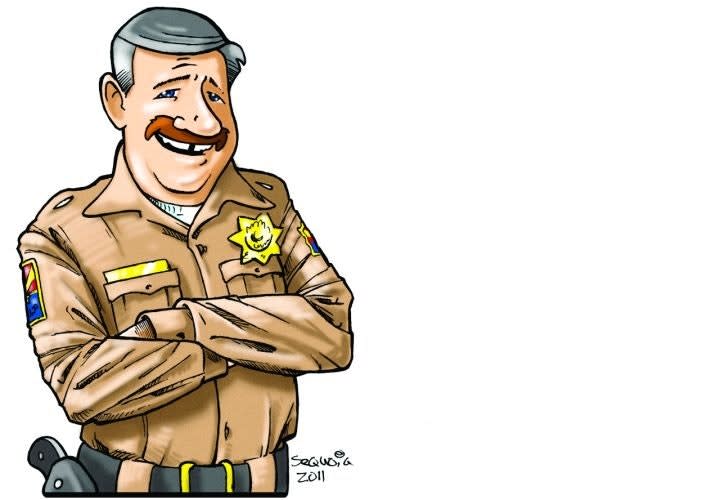
Illustration: Sequoia Blankenship
Anyone who knows anything about my wife, the Sarge, and me is absolutely sure we are "dog people." If you are a "cat fancier," don't write me to extol their virtues or complain about anti-feline sentiment; this article just isn't about cats, OK?
Anyway, it seems a neuroscientist at Emory University was sitting around wondering if his dog actually "loved" him or just was dependent on him, and he decided to look into the dog's brain to see if he could correlate the dog brain with the human one.
Obviously the good scientist was able to draw some pretty dramatic conclusions, or he would never have bothered to write a new book called "“How Dogs Love Us."” Gregory Berns, MD, PhD, found that not only does the dog's brain show the same stimulus we find in the human brain where we might say "love" is located, but your dog remembers you specifically. I must confess I had the image of Forrest Gump telling Jenny, "I'm not a smart man, but I know what love is!" while reading this part of the book.
OK, so I am feeling a little better about feeding my otherwise nearly useless dog who sits, as I write, staring at the front door in what has apparently become his surveillance point in our house. What my dog actually does for me, then, is reciprocate emotion for emotion. Maybe the inter-species bond so unique to man and dogs is due to some serious hard hard-wired brain issues between them and us, and our original union was more than just the coincidence of two species migrating after the same game.
For most of you the fact that your dog actually loves you doesn't change the way you feel about your dog, or even your cat for that matter. You get some affection, some response to your emotion and care, and that makes you healthier and stronger, lowers your blood pressure, calms your spirit; these are all good things we get from our pets, not to mention our loved ones.
But what about loving something that can't love you back? Worse, something that will seem to act upon you, perhaps negatively, regardless of your emotional commitment? I am talking about your agency. I get a lot of feedback when I tell folks at my seminars, "Love your God, your family, what you do, but do not love your agency."
"What?" they cry. "Do you mean I should hate my agency?" No, but do not love it. Love is an intense emotional investment and all the MRIs in the world cannot show you where in your agency's brain it can love you back; it can't. In fact, it is not an adult perspective for you to expect it to.
If you love something, you expect love back. When you get that day off without pay for missing court for the third time in a year, you may come up with all the excuses and finish with "Besides, I love this agency!"
First, it isn't your chief's or sheriff's job to love you; they are paid to run an agency. And second, the social contract is, you give your agency your duty, honor, loyalty, courage, strength, and selfless service and it gives you a paycheck and retirement, period.
Unfair? You bet. Life isn't fair, remember? Long ago, my psychological mentor and hero, Kevin Gilmartin, author of the great book "Emotional Survival," taught me to put my priorities in the right order and save my love for the ones who could love me back.
Being overly emotionally committed to your agency only leads to heartbreak. Unrequited love is one of the toughest emotional hits a human can face and therefore I ask you to rethink your relationship with your agency and those who work with you.
What we must do is never lose faith with, or stop caring about, the humanity of law enforcement. As part of the brotherhood and sisterhood of warriors, we are all contracted to our agencies with the same oath to live up to the high standards of our profession, to honor our commitment to service, and understand that our agency owes us only a paycheck and whatever benefits are part of our employee contract.
All this reminds me of an unhappy fellow who approached me after a seminar and asked what answers I had for him. He didn't believe in God, or have a family, and he hated his job. I just smiled and said, "Get a dog."
Dave Smith is an internationally recognized law enforcement trainer and is the creator of "JD Buck Savage." You can follow Buck on Twitter at @thebucksavage.
More Training
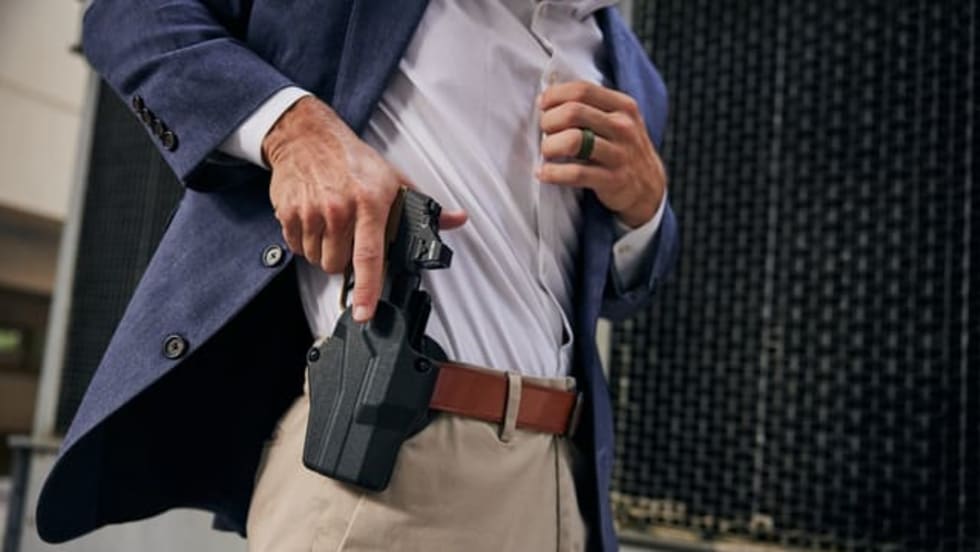
Safariland Solis Rethinks Concealable Duty
What if Level I retention didn’t require a full duty rig? Safariland’s Solis delivers trusted ALS security in a streamlined OWB platform built for administrative and plainclothes professionals who need protection without the bulk.
Read More →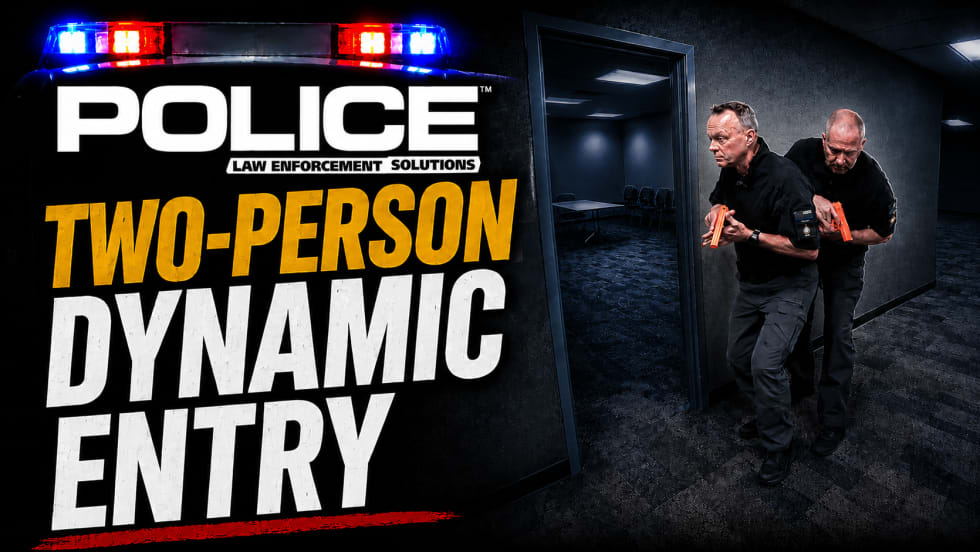
Two-Officer Tactical Doorway Entry Techniques
Entering a room during active-threat situations requires communication, coordination, and disciplined tactical movement. In this video, trainers from the United States Deputy Sheriff’s Association demonstrate critical room entry concepts, including fatal funnel awareness, team coordination, and safe tactical movement.
Read More →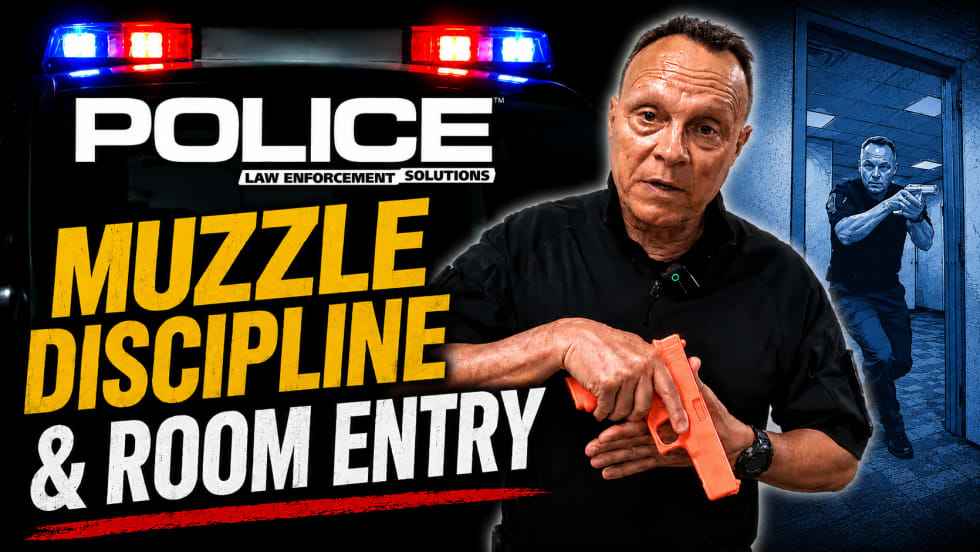
High Compressed Ready Explained | Muzzle Control For Room Entry
In this video, Mike Willis, law enforcement national training and program director for the United States Deputy Sheriffs’ Association, demonstrates the high compressed ready position and discusses muzzle control during room entry.
Read More →
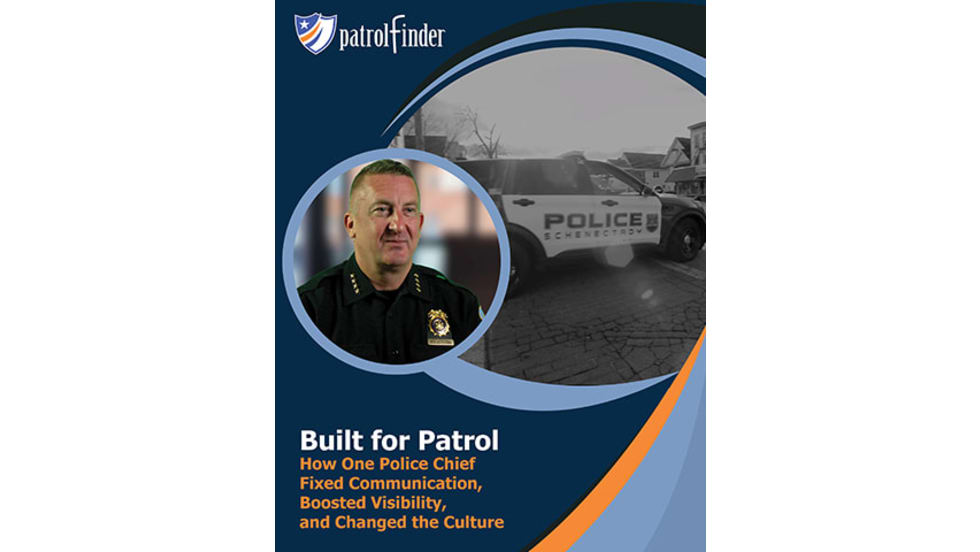
Built for Patrol: How One Police Chief Fixed Communication, Boosted Visibility, and Changed the Culture
Patrol work hasn’t changed—but the expectations on officers have. See how one police chief helped officers get the right information at the right time, improve patrol visibility, and strengthen trust without adding complexity or surveillance. This real-world story shows how patrol-driven technology can make the job safer, smarter, and more effective—starting on day one.
Read More →
Why Attend the DroneSense Innovation Summit by Versaterm?
Let’s hear from Ryan Bracken, head of product, about why your agency should send someone to the first annual DroneSense Innovation Summit by Versaterm in April.
Read More →
Caswell Live Fire Spins Off from InVeris
Caswell Live Fire has spun off from parent company InVeris, coinciding with the 100th anniversary of Caswell’s founding. Over the past 100 years, Caswell has developed pioneering solutions that support military, law enforcement, and commercial clients worldwide.
Read More →
When Do You Transport a Wounded Officer Instead of Waiting for EMS?
Thumbnail for video series POLICE Topics, Tactics & Tips with a yellow headline that reads When Do You Transport a Wounded Officer Instead of Waiting for EMS?
Read More →
How to Pick Your High-Risk Stop Location for Tactical Advantage
Hear veteran trainer Mike Willis, of the United States Deputy Sheriff’s Association, explain several considerations that can help you wisely pick your best spot to initiate high-risk or felony traffic stops.
Read More →
Coffee Break with Police Experts: Using Your Patrol Vehicle for Cover
In this video, hear from Dustin Mowery, a product specialist at Team Wendy, as he discusses how to best use a patrol vehicle for cover.
Read More →
Preventing Blue-on-Blue Shootings
In this video, Mike Willis, law enforcement national training and program director, United States Deputy Sheriff’s Association, discusses how to prevent blue-on-blue shootings.
Read More →