
Police Magazine

 MENU
MENU SEARCHMENUSEARCH
Loading data...
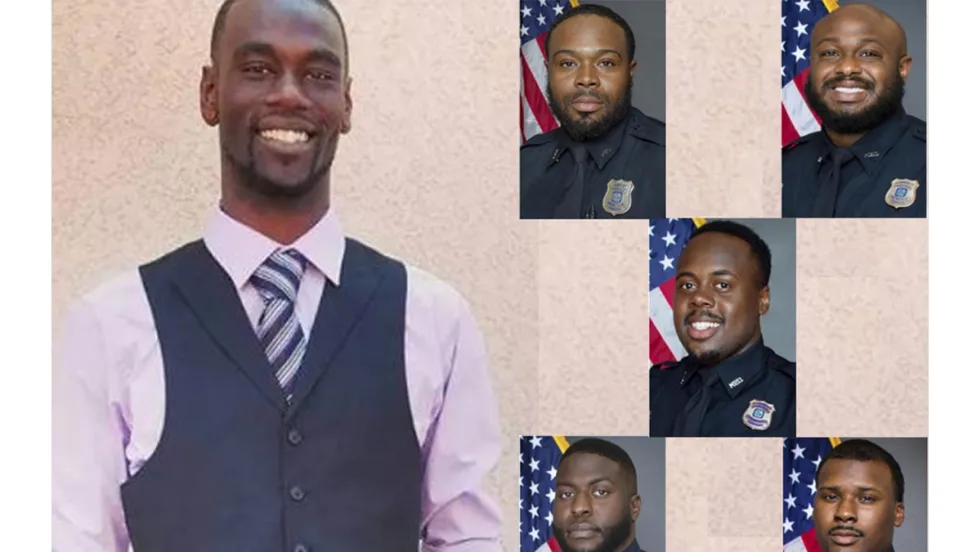
Viewing—and contemplating—the video recording of the deadly incident in Memphis is somewhat reminiscent of the scene in Apocalypse Now depicting Captain Benjamin Willard and Colonel Walter talking about the reason for their meeting in the jungle.
Read More →

Judgment and decision-making are pretty much the top two cognitive capabilities a law enforcement professional must possess. Fortunately, judgement decision-making ability can be trained—and possibly even fixed.
Read More →The public, the press, and the political elites make all sorts of noise about wanting the very best of the best from the police. This legitimate desire—demand, even—is at least in part delegitimized when it comes from the same people who have vilified and eviscerated the police for the past half-decade.
Read More →The Prince George's County State's Attorney Office has charged 13 current Prince George’s County police officers and one retired county police officer with misconduct in office.
Read More →The ABLE Project is the result of a partnership between the Center for Innovations in Community Safety (CICS, formerly the Innovative Policing Program) at the Georgetown University Law Center and the global law firm Sheppard Mullin LLP.
Read More →Every possible effort must be made to guard against any and all manner of malpractice by the people charged with training the next generation of law enforcement officers.
Read More →The seven deadly sins were, are, and always will be pride, greed, lust, envy, gluttony, wrath, and sloth. The seven worst words in police training were, are, and always will be "That's the way we've always done it."
Read More →Keven Rodriguez, 33, a field operations division officer with the Raleigh Police Department faces federal charges of distribution of a quantity of cocaine; and possession of a firearm in furtherance of, and using and carrying a firearm during, a drug trafficking crime.
Read More →Magen Hayashi, an investigator for the DA's office, testified Friday that she felt she would be fired if she did not withhold certain evidence in the case against Officer Terrance Stangle.
Read More →Wherever a "duty to intervene" policy exists, ongoing training should emphasize not only the tactics of the intervening officer, but the appropriate response of the receiving officer.
Read More →