
Police Magazine

 MENU
MENU SEARCHMENUSEARCH
Loading data...
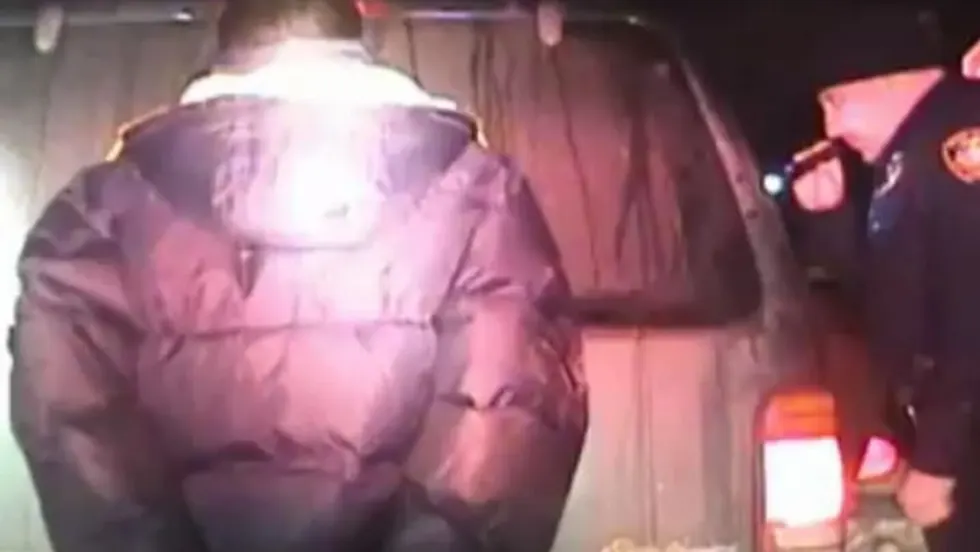
The NAACP is questioning a Utica (N.Y.) Police officer's handling of drug evidence during this stop. Chief Mark Williams has defended the officer's decision to store the evidence in his pocket.
Read More →
A Miramar (Fla.) Police officer has been convicted of official misconduct for falsifying records relating to the search of an accused drug dealer's apartment.
Read More →The decade of the 1960s gave us four of the most significant cases that apply to our daily work: Mapp, Brady, Miranda, and Terry. These four are among the most prominent criminal law cases you should know more about to understand how we got to where we are.
Read More →Checkpoint stops are different-multiple vehicles are stopped one after the other, at the same place, without any suspicion beforehand that anyone in particular may be engaged in unlawful activity.
Read More →The Fourth Amendment exclusionary rule is not absolute. In a number of decisions, the U.S. Supreme Court has recognized that even where a police officer makes an unreasonable search or seizure, there may be compelling reasons not to exclude resulting evidence.
Read More →The U.S. Supreme Court on Wednesday began considering whether a suspect can be strip searched and closely examined before entering jail.
Read More →California lawmakers have approved a bill that would require officers to obtain a warrant before searching the contents of a subject's cell phone or wireless device. The bill would become law if approved by Gov. Brown by Oct. 9.
Read More →Tamsen Reid, 18, is claiming Dep. Scott R. Womack forced her to strip, show her breasts, and stand in the snow during a traffic stop on Nov. 20, 2010.
Read More →Thirty-four ACLU affiliates in 31 states filed 379 public records requests in 31 states around the nation on Wednesday, demanding information about how law enforcement agencies use mobile-phone location information.
Read More →Traditional search warrants aren't always the best choice, because they require immediate notification. With a covert entry warrant, officers can delay notification, collect evidence, and continue building their case.
Read More →