
Police Magazine

 MENU
MENU SEARCHMENUSEARCH
Loading data...

A seventh victim has been linked to the case of Milwaukee's 23-year-old unsolved serial killer who is known as the North Side Strangler.
Read More →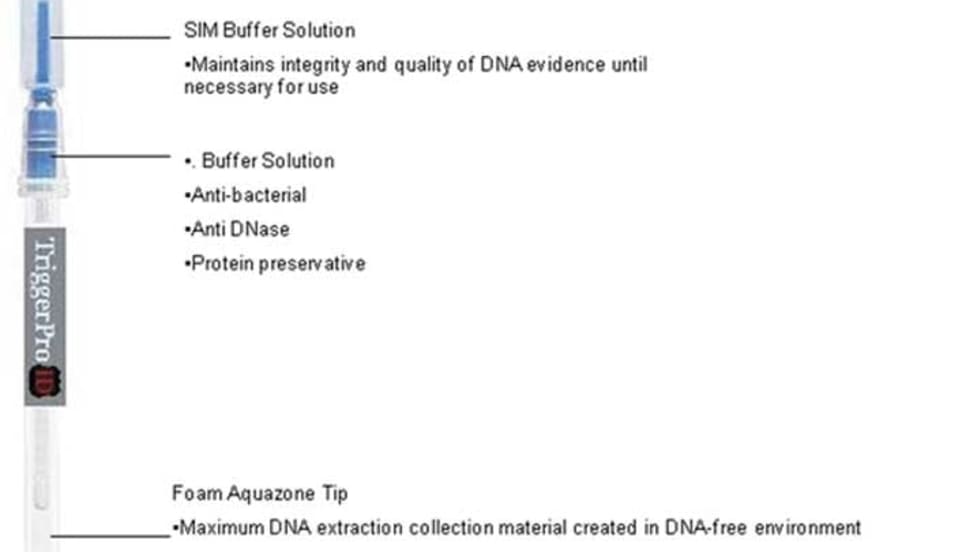
DNA leads detectives to John Thomas Jr., 72. He is held in two slayings, but police suspect he may have killed up to 30 elderly Westside and Claremont women a decade apart.
Read More →Millions of people watch CBS's CSI: Crime Scene Investigation every week. But forensic evidence isn't nearly as ironclad as it appears on television. In fact, according to a study released Wednesday by the National Academy of Sciences, the nation's crime labs need a total overhaul.
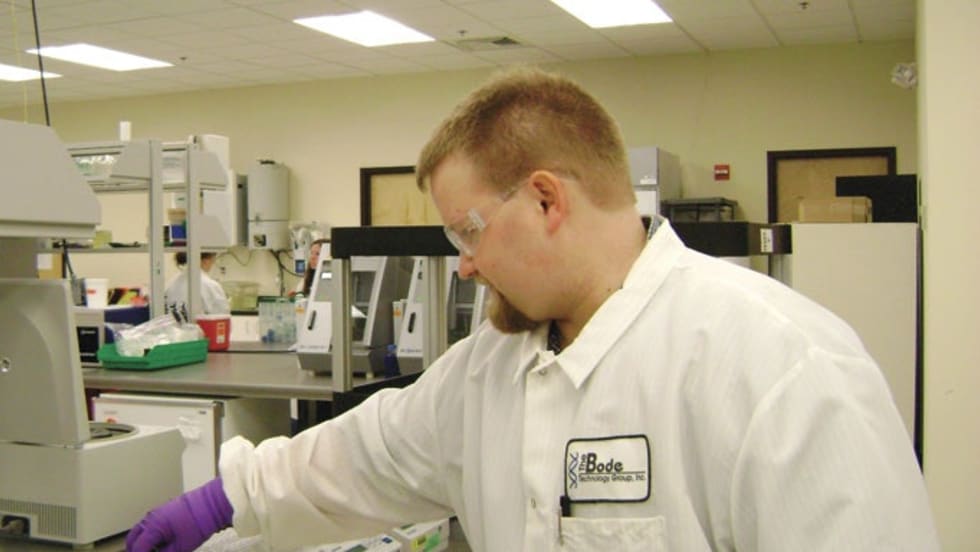
Read More →Relative newcomer Forensic ID has developed the easy-to-use TriggerPro ID swab. It allows street officers to effectively gather “touch” DNA from firearms used in crimes at the scene. The swab is engineered with a tip designed to conveniently and effectively collect DNA specimens from handguns, regardless of environmental conditions.
Read More →Police in Finland believe they have caught a car-thief thanks to a DNA sample taken from a sample of his blood found inside a mosquito.
Read More →Amazing. This unknown suspect left behind enough DNA from just briefly touching the sides of the victim's underwear to provide a statistically significant partial DNA profile.
Read More →The Los Angeles County Sheriff's Department, under pressure from county supervisors and watchdog groups to account for its handling of DNA evidence from sexual assault cases, acknowledged Wednesday it did not know whether genetic evidence from more than 5,600 rape cases had been examined.
Read More →Reggie Lloyd, director of the State Law Enforcement Division, said he also was concerned with the new law and its potential to direct scarce resources away from core functions such as keeping officers on the streets.
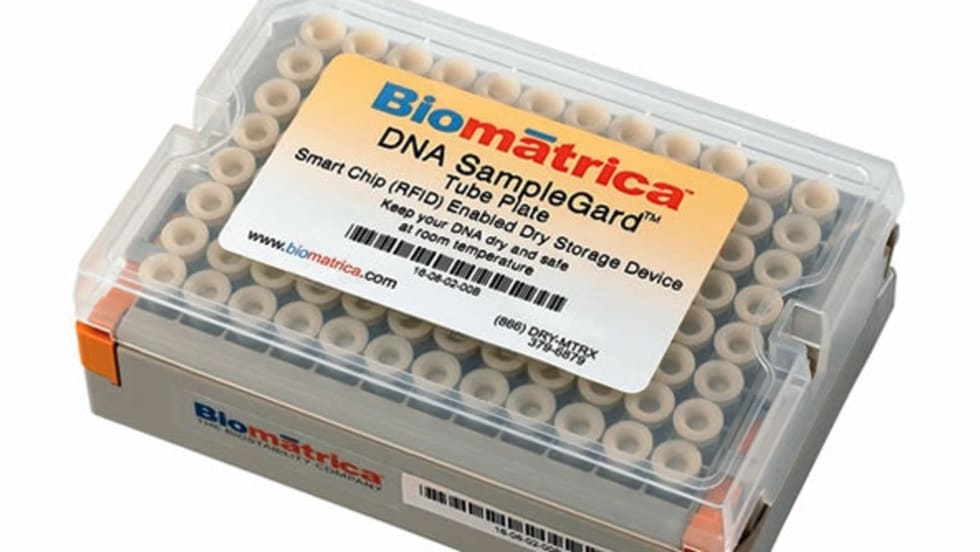
Read More →Biomatrica’s storage system enables scientists and researchers to ship, store, and manage lab samples at room temperature. The system includes SampleMatrix, a dissolvable storage medium; SampleGard, a sample storage and transportation system; and SampleWare, organization and retrieval software.
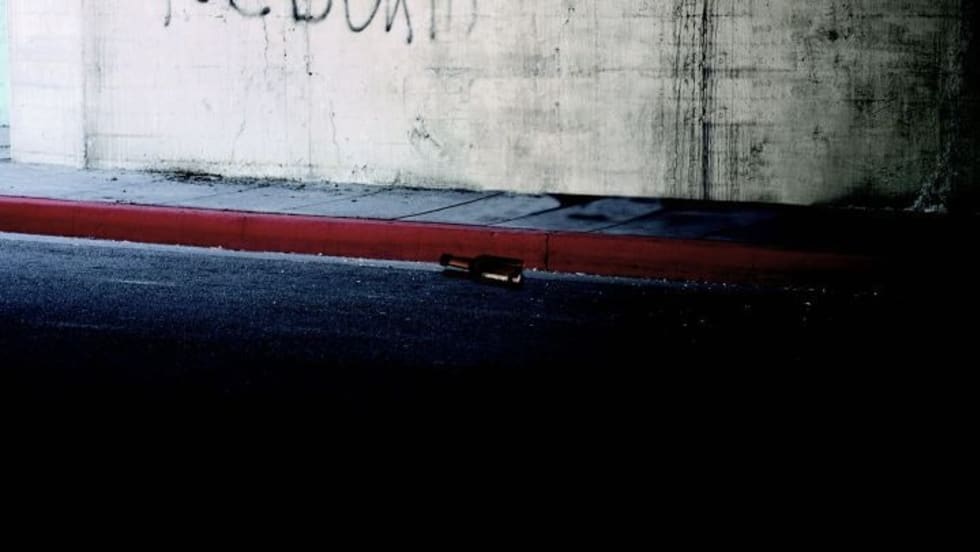
Read More →Every crime scene, like every picture, tells a story. There are times when an obvious piece of evidence, complete with its own documented history, stares us right in the face, and we pass it by.
Read More →