
Police Magazine

 MENU
MENU SEARCHMENUSEARCH
Loading data...
Boston police have scrapped their plan to spend up to $1.4 million on software to monitor social media postings for criminal activity and threats to public safety,
Read More →

Ferguson's city website went dark Tuesday morning and the phones died. Anonymous also started releasing information about police officers.
Read More →A South Carolina ninth-grader who shot the school resource officer with Socastee High School near Myrtle Beach on Tuesday began posting Twitter messages about his plan on Aug. 23, the first day of school.
Read More →You need to train like an elite athlete for the life-and-death challenge you may some day face on the job.
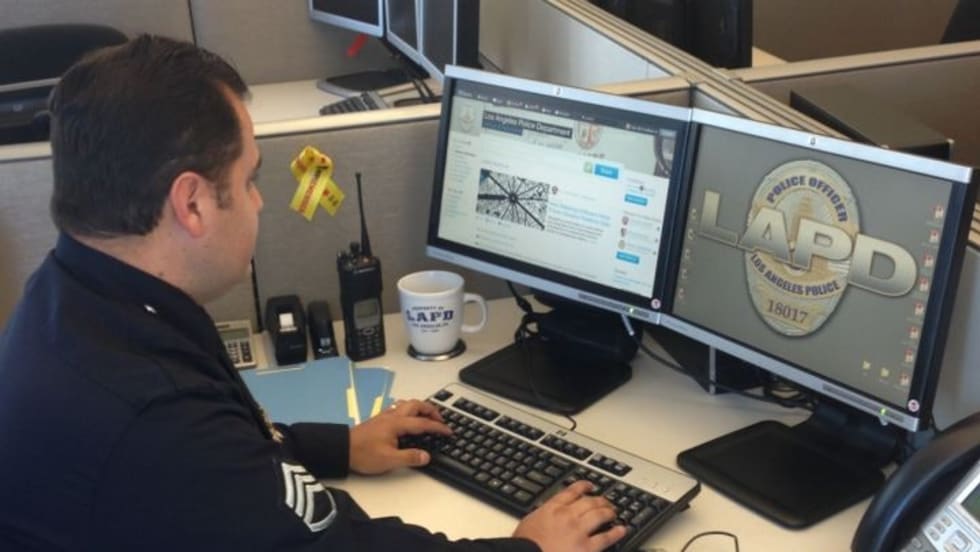
Read More →The NYPD has formed a new social-media unit of officers assigned to sniff out troublemakers and criminal behavior on Facebook, Twitter, and MySpace.
Read More →Most of law enforcement has watched the information age and rising knowledge-worker revolution as curious observers. We should instead embrace the opportunities these innovations have brought us, and communicate directly with the public. After all, we work for them.
Read More →Reporters rarely get all the facts right because the facts are hazy by the time their first stories are posted on the Web, broadcast, or inked onto paper. That haziness doesn't clear until the official investigation is complete. By then the reporters have created a "truth" that persists in the public consciousness.
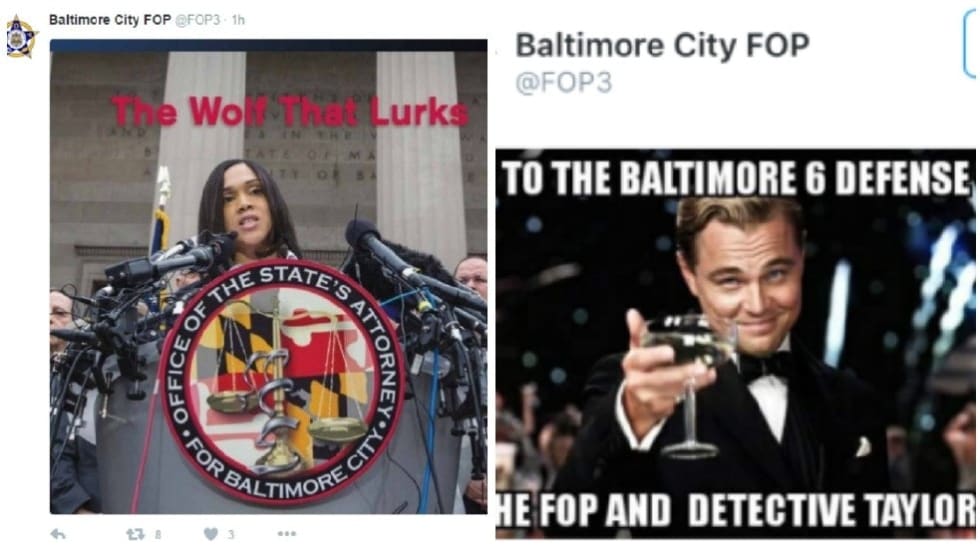
Read More →The Baltimore Fraternal Order of Police lodge took to Twitter on Friday night and posted a photo of actor Leonardo DiCaprio making a toast, with overlain text saying, “Here’s to the Baltimore 6 defense team, the FOP and Detective Taylor.”
Read More →Bill Bratton plans to launch the first comprehensive social media network for police officers later this year at the International Association of Police Chiefs annual conference.
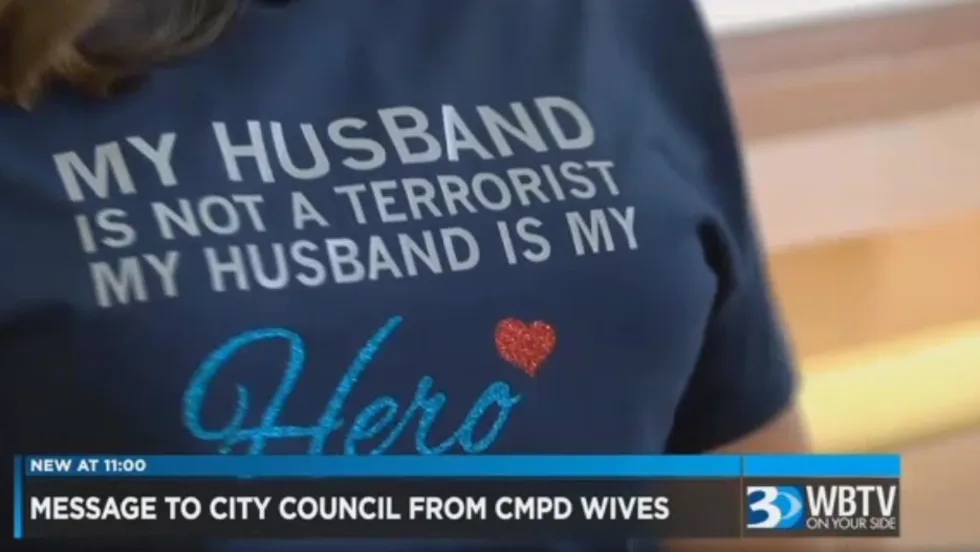
Read More →Mayfield, a Democrat who represents west Charlotte, posted on Twitter saying: "Being Black in America under #45 has created homegrown terrorist wearing blue uniforms." More Here.
Read More →