
Police Magazine

 MENU
MENU SEARCHMENUSEARCH
Loading data...

Law enforcement agencies are anticipating next-gen networks to deploy or expand municipal surveillance networks (if budgets allow). Connected cameras will help patrol officers work more seamlessly with central command centers to apprehend fleeing suspects and halt crimes in progress.
Read More →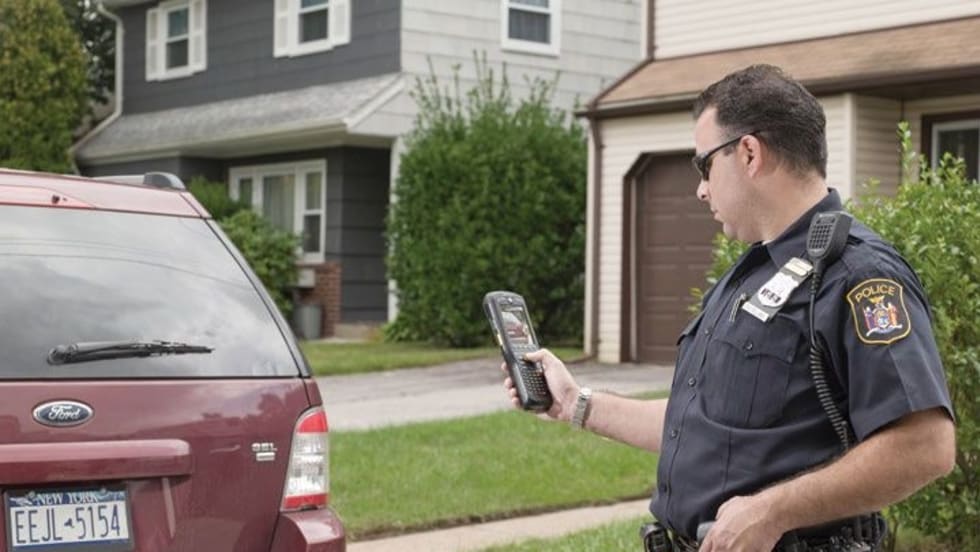

The National Association of State Technology Directors and the Alarm Industry Communications Committee joined the Public Safety Alliance's endorsement of S.B. 3756, which would allocate the so-called D-Block spectrum to public safety and provide funding for the development of a nationwide interoperable public safety broadband network.
Read More →The system will allow public safety personnel to transmit information more quickly and efficiently, during both day-to-day operations and major emergencies. As one example, new broadband applications would enable officers to transmit video images from an accident scene.
Read More →Federal legislation introduced by a California congresswoman in late July would authorize $70 million in grants to provide first-responders devices capable of the highest-speed transmissions of data, voice, and video services over the Internet.
Read More →Today, bandwidth is so precious that Congress and the FCC recently dictated the conversion of analog TV transmission to digital in order to free up the 700 MHz band for other uses, including 4G cellphones and public safety communications.
Read More →As LTE begins to be deployed in 2011, according to industry leaders, patrol officers will have access to data and video in vehicles and on hand-held devices. As I have mentioned in previous blogs, the convergence of cellular applications and devices with current antiquated police radio systems has begun.
Read More →The Public Safety Alliance supports H.R. 5081—also known as the Broadband for First Responders Act of 2010—that would allocate directly to public safety the spectrum needed to establish a nationwide interoperable communications network.
Read More →Motorola's next generation of public safety solutions will maximize operational effectiveness by converging voice, image, data, and video communications from a multimedia, integrated command center and extend the reach of current mission-critical communications networks.
Read More →The New York Police Department's Deputy Chief Charles Dowd called the FCC's plan "a red herring," because it doesn't give first-responders the kind of access that's needed during a crisis.
Read More →The Internal Revenue Service will begin using Harris Corp.'s line of multi-band radios under a new contract allowing the company to provide radios to various federal agencies, the company announced.
Read More →