
Police Magazine

 MENU
MENU SEARCHMENUSEARCH
Loading data...
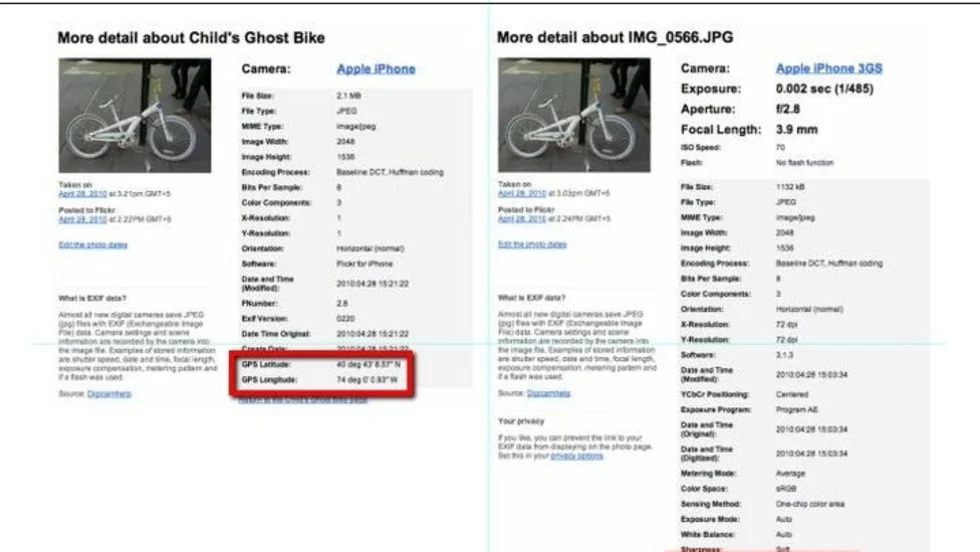
Within most digital pictures, cameras store meta data called EXIF (Exchangeable Image File Format) within the header of the file. This data can give you major clues about the origin of the photo.
Read More →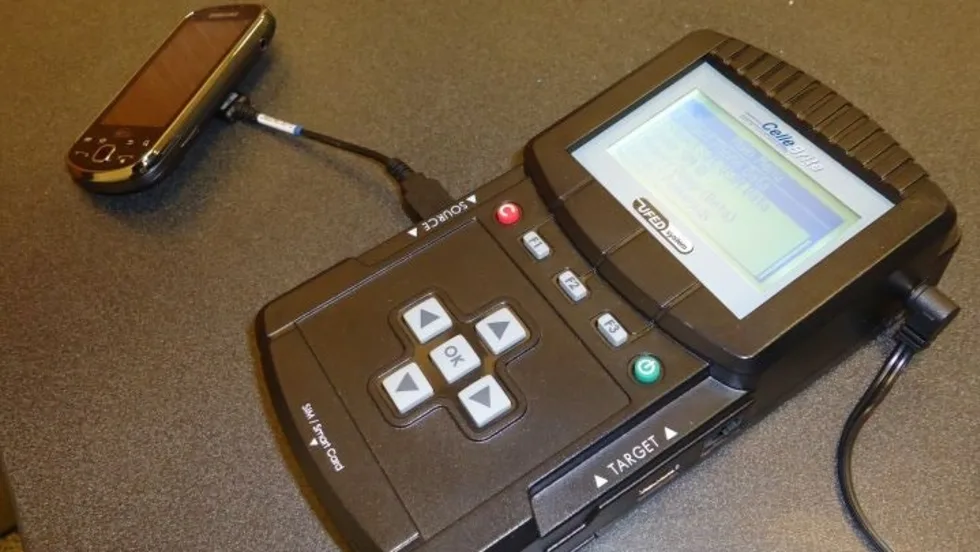


Cell phones can provide investigators with a call history, text messages. and contact lists. They can also provide us with other valuable data that's sometimes overlooked.
Read More →The Department of Justice on Tuesday dropped its support for allowing law enforcement to review older e-mails without a warrant in testimony before the House Judiciary Committee.
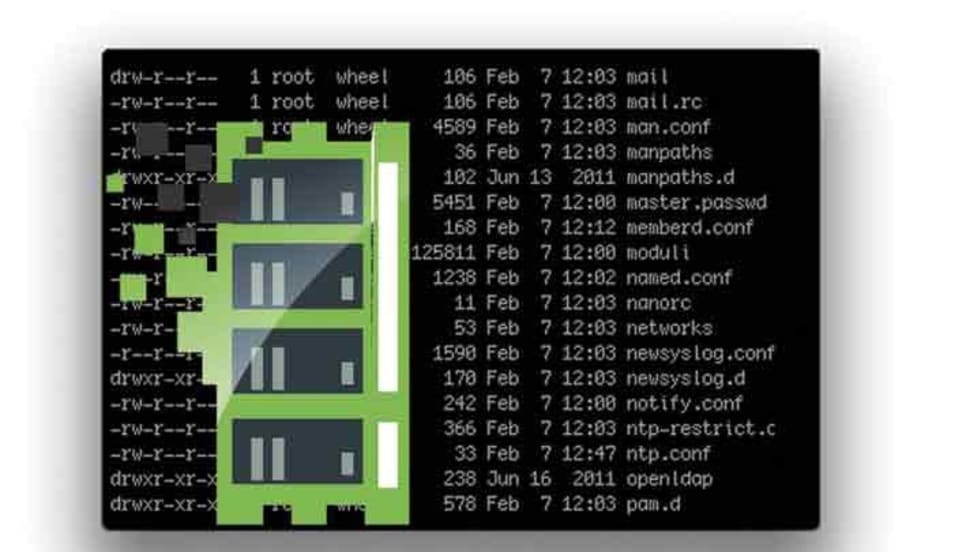
Read More →ATC-NY's new computer forensic tool, Windows Memory Reader, is a simple command-line utility to capture the contents of physical RAM on a suspect computer, letting an investigator gather volatile state information prior to shutting the machine down.
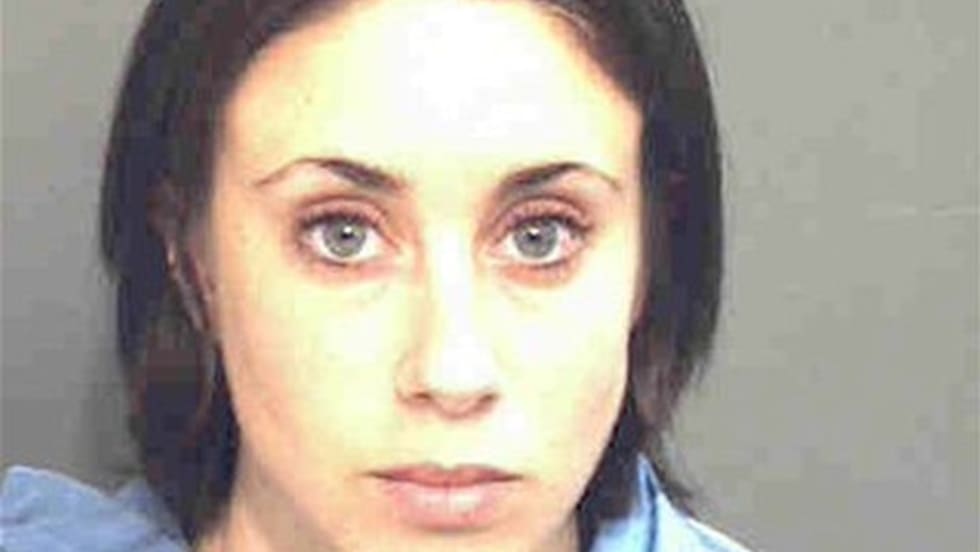
Read More →The Orange County (Fla.) Sheriff's Office has acknowledged its computer investigator missed evidence of a Google search for "full-proof" suffocation methods on the day Casey Anthony's 2-year-old daughter disappeared.
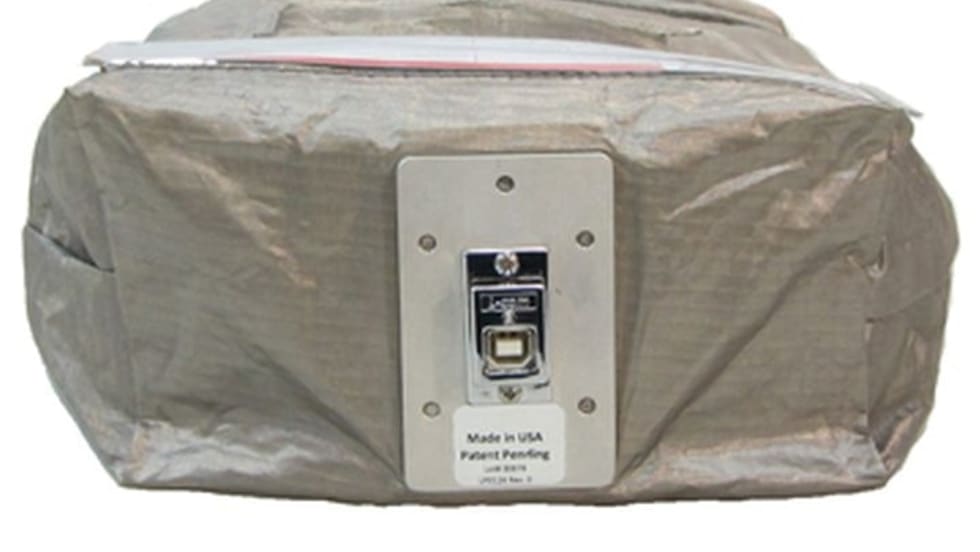
Read More →Saelig has introduced a shielded forensic pouch (Model No. SFP1215W) that enables hands-on manipulation of wireless devices in an RF-tight environment so internal data is not compromised.
Read More →Cellebrite's UFED Touch allows investigators to more easily extract and decode digital evidence from mobile devices including smartphones, legacy phones, portable GPS devices, and handheld tablets.
Read More →Advances in technology have made it possible for any officer, with minimal training, to retrieve digital evidence at the crime scene and utilize it for investigative purposes.
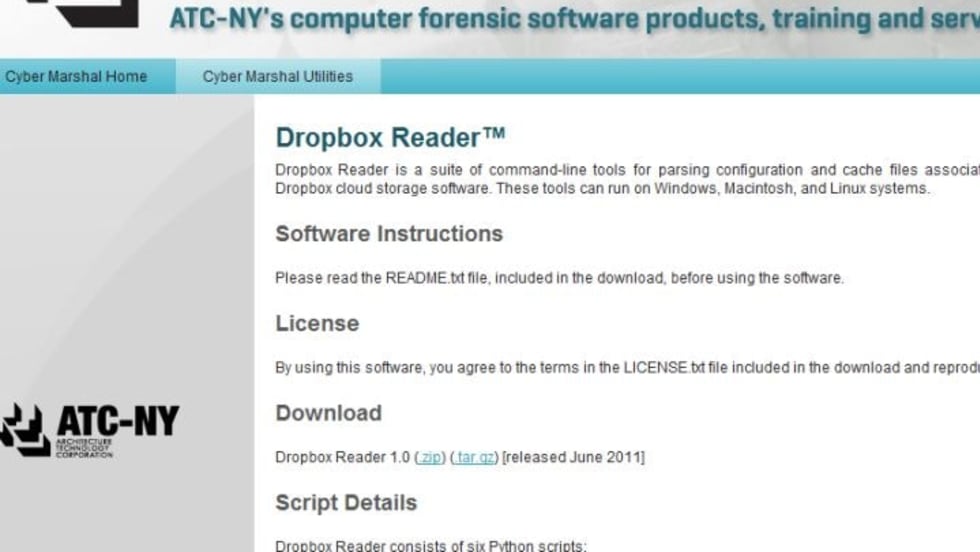
Read More →Dropbox Reader, which is used to analyze files on a hard drive, can run on Windows, Macintosh, and Linux systems. With Dropbox Reader, you can acquire information about the registered Dropbox account, shared directories, and synchronized files.
Read More →EnCase Forensic gives investigators the ability to image a drive and preserve it in a forensic manner using the EnCase evidence file format (LEF or E01), a digital evidence container vetted by courts worldwide. EnCase Forensic also contains a full suite of analysis, bookmarking, and reporting features.
Read More →