Police Magazine

 MENU
 SEARCHMENUSEARCH
Loading data...
Turning your police experience into instruction for other officers requires you to learn how to teach.
Read More →

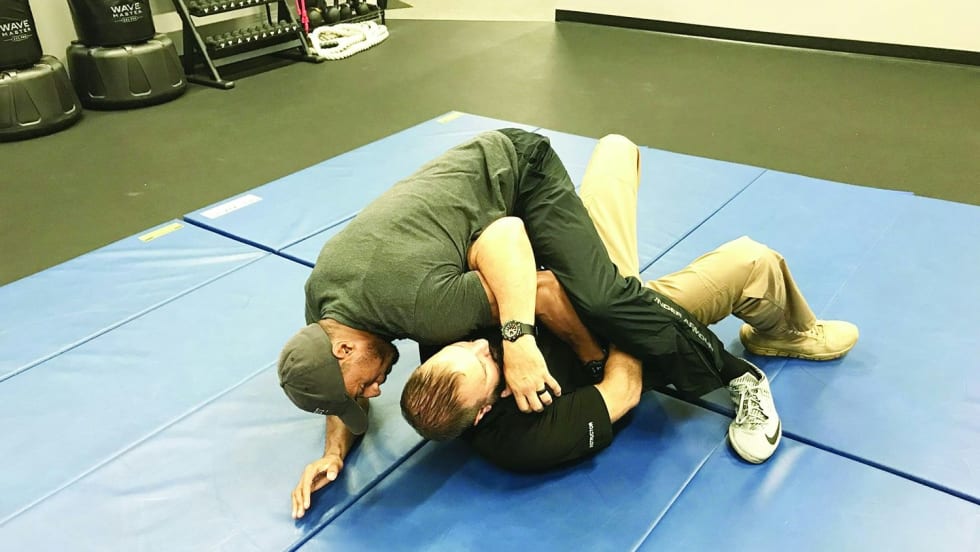
In the last decade, there has been a significant rise in the number of officers killed in training by live weapons. This is documented in Ken Murray’s book “Training at the Speed of Life.”
Read More →You have many opportunities for training outside of your agency. But how do you tell which classes are suitable for you and whether what you learn in those classes will work on the street?
Read More →Today, law enforcement has access to a wide range of impact munitions that can be used for numerous applications. Yes, rubber and wooden baton rounds are still used in riot control, but more sophisticated impact rounds can be used to prevent suicides, to stop dog attacks, and in other uses that might have once required lethal force.
Read More →An officer's physical fitness is a concern not just because the officers are overweight and might develop a debilitating health condition in their later years. It's an officer survival issue. It could put an officer at a serious disadvantage when he or she faces a more physically fit bad guy who has the mindset to win.
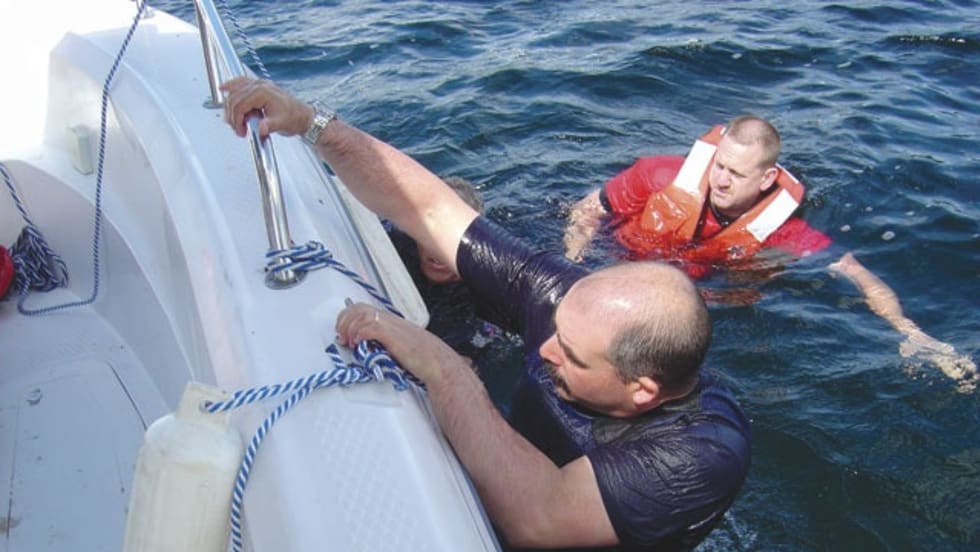
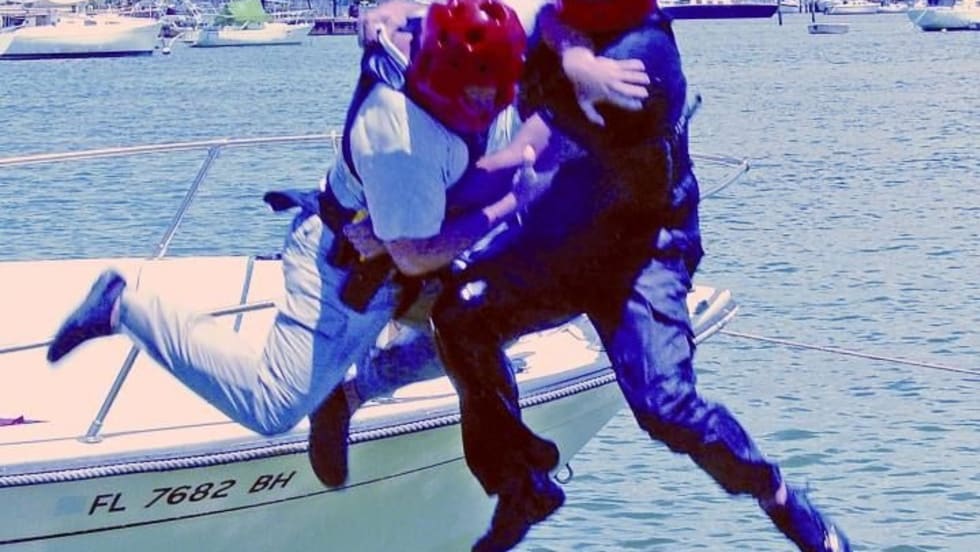
Read More →Chances are that at some point during your law enforcement career you will work around water. Are you prepared to work around water? Are you trained to stay alive in water, and to fight and prevail in water?
Read More →Do you have the training and gear to protect your duty weapon or are you just hopeful nothing will happen?
Read More →For generations law enforcement has been seeking the perfect round, the so-called “magic bullet.” The ideal police weapon is a munition that could be fired at a distance to temporarily incapacitate a suspect so that he or she could be taken into custody without injury to either the suspect or the arresting officer. It would work every time, and it would be a substitute for deadly force.
Read More →There are more than 100 drills a trainer can use to teach officers how to use striking shields. This article will give you some quick examples. It covers such key topics as developing power, enhancement of movement skills, and target placement for strikes.
Read More →As police officers (and especially if you work corrections) in the United States or Canada, you have to ask this question: What would you do if you were taken hostage?
Read More →