
Police Magazine

 MENU
MENU SEARCHMENUSEARCH
Loading data...

The court determined that in order to sue for excessive force under the Fourth Amendment, it is not necessary for a plaintiff to have been physically seized by law enforcement.
Read More →Some justices expressed concern about public safety if tribal officers lacked power to stop and detain non-Native Americans. Conservative Justice Clarence Thomas wondered what would happen if an officer encountered a known serial killer.
Read More →According to the court documents, the photos of the crash site were widely shared among law enforcement authorities who had no reason to possess them for any investigatory purpose. The litigation describes the circulation of graphic photos of the victims’ bodies as a form of “morbid gossip.”
Read More →The case stemmed from a suit filed by Don’t Shoot Portland, a black-led nonprofit that advocates for social and racial justice in the city. The nonprofit’s lawyers had sought more drastic sanctions, including a ban on impact munitions and for the Police Bureau to permanently remove officers from protest duty if they violate the court order, with fines issued for future violations.
Read More →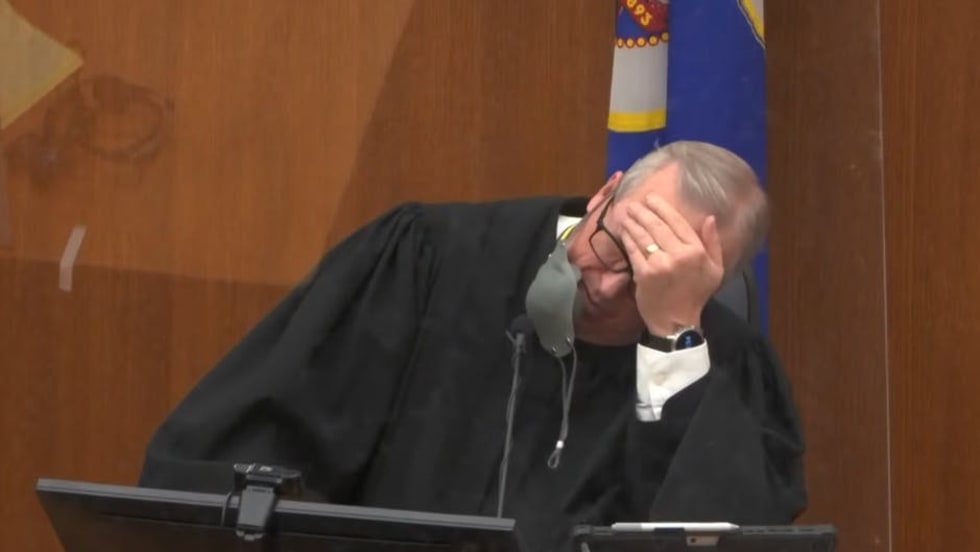
Hennepin County District Judge Peter Cahill removed the two who said under his questioning they had heard about a federal lawsuit settlement reached last week and admitted it affected their ability to presume Chauvin is innocent during the course of the trial.
Read More →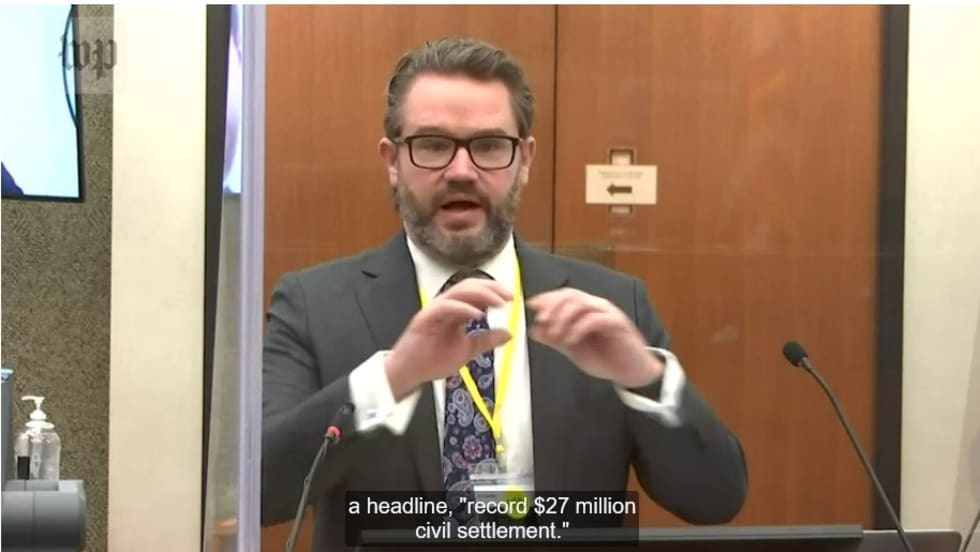
Eric Nelson, Chauvin’s defense attorney, questioned the “suspicious timing” of the settlement and argued it was “highly prejudicial” against his client. He called on Hennepin County District Court Judge Peter A. Cahill to “at least” call back the jurors already seated in the case to question them to see if they had read the news of the settlement and if they could continue to be impartial in the case.
Read More →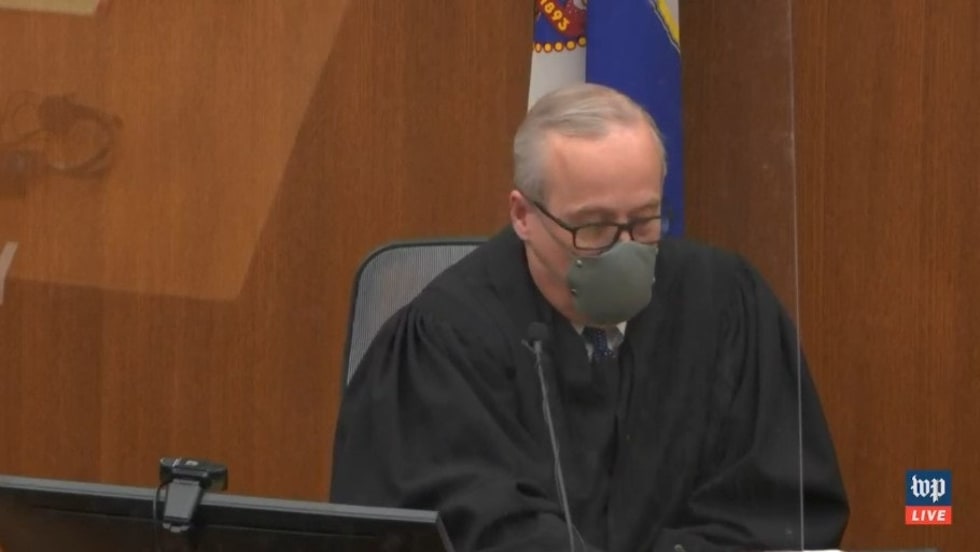
The decision was a victory for prosecutors who had sought to re-add the charge against Derek Chauvin, the officer filmed with his knee on George Floyd’s neck during an arrest last May. He is already charged with second-degree murder and second-degree manslaughter in the Floyd's death.
Read More →The unanimous decision by the appeals court means that the trial court may again hear arguments from Chauvin and prosecutors from the Minnesota attorney general’s office over whether Chauvin should face the third-degree murder charge.
Read More →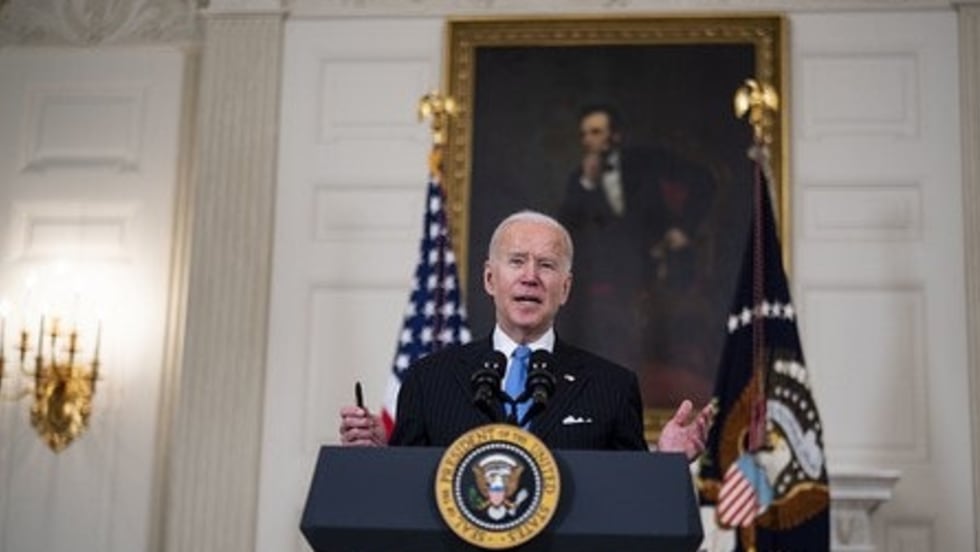
The bill would ban all neck restraints, including chokeholds and the kind used on Floyd as well as no-knock warrants in drug cases. It would also end the application of the doctrine of qualified immunity for law enforcement officers.
Read More →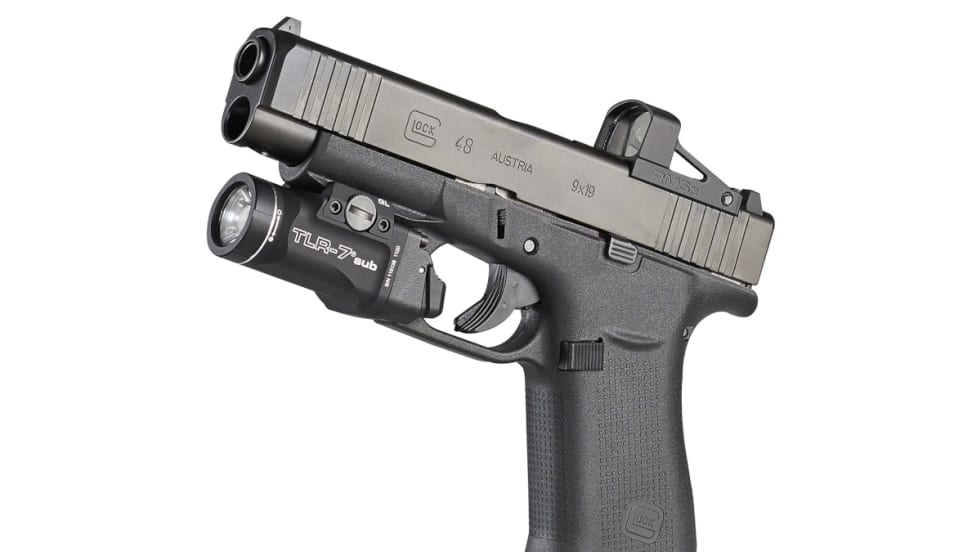
Streamlight’s ultra-compact, lightweight TLR-7 sub weapon light features an optimized clamp design to fit a variety of railed subcompact handguns.
Read More →