
Police Magazine

 MENU
MENU SEARCHMENUSEARCH
Loading data...

A U.S. citizen and Mexican national admitted to working with the gang in buying and selling illegal drugs on the streets of El Paso. They confirmed that the gang extorted money from drug dealers operating on the gang's turf.
Read More →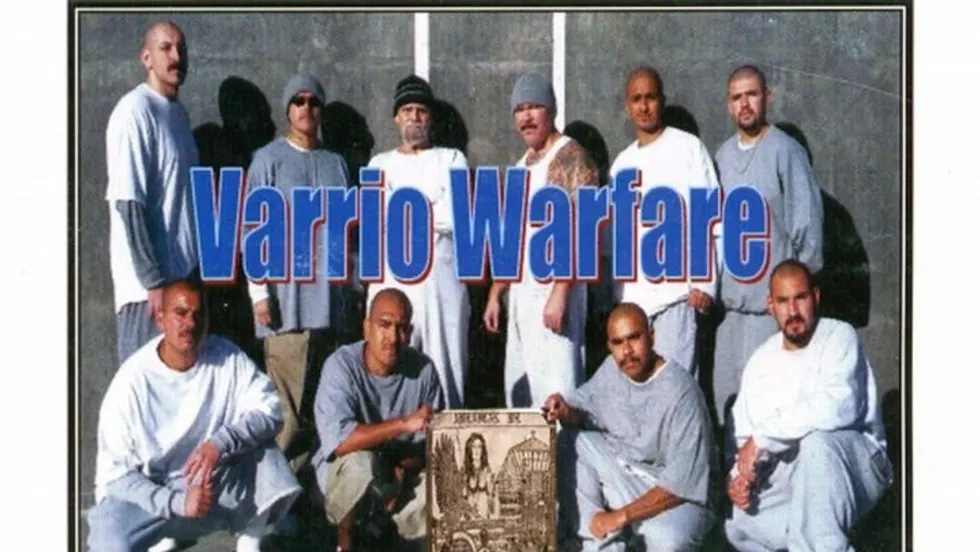
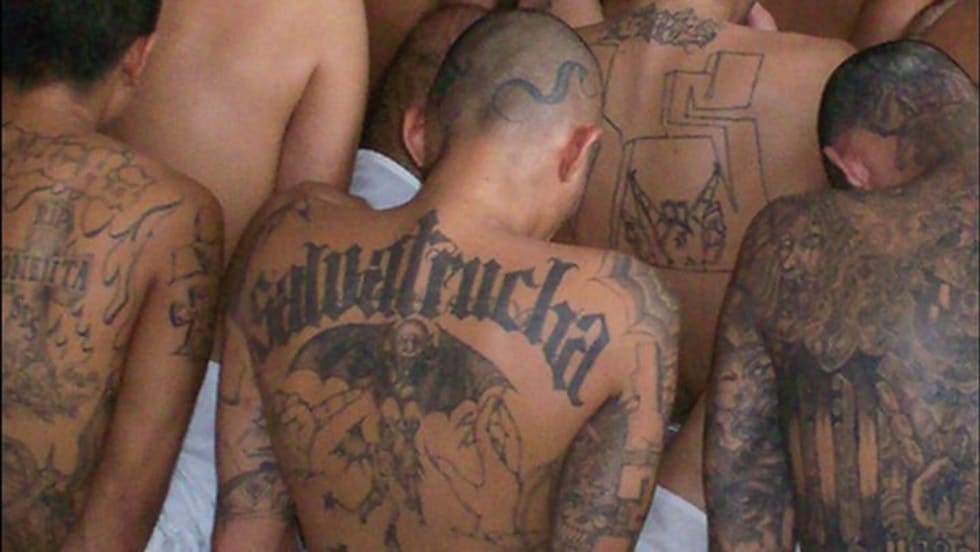

The Latino gangs in Washington, while still outnumbered by Black gangs, have steadily increased, and law enforcement must become more aware of their criminal activities.
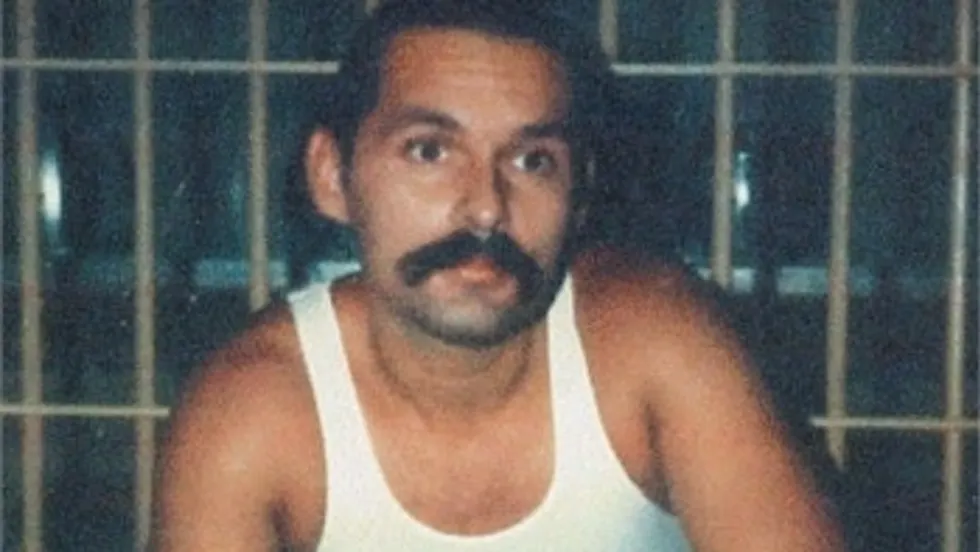
Read More →Increasingly sophisticated street gangs committed 48 percent of violent crime, as they expanded their criminal activity and networking with broader criminal organizations.
Read More →Former Mexican Mafia leader Ramon "Mundo" Mendoza's motivation for writing, "Mexican Mafia: The Gang of Gangs," is to get the book into the hands of gang members and inmates in the hope that it might prevent them from following in his footsteps. His intent is to break the negative brainwashing the prison gangs utilize and illuminate the path to redemption.
Read More →I've always marveled at this irony. Young men who rebel against authority and parental control, who commonly hate school, hate memorizing verses and symbols, hate reading history, hate learning new languages, and hate participating in physical education, enjoy doing all these things for their prison gang leaders.
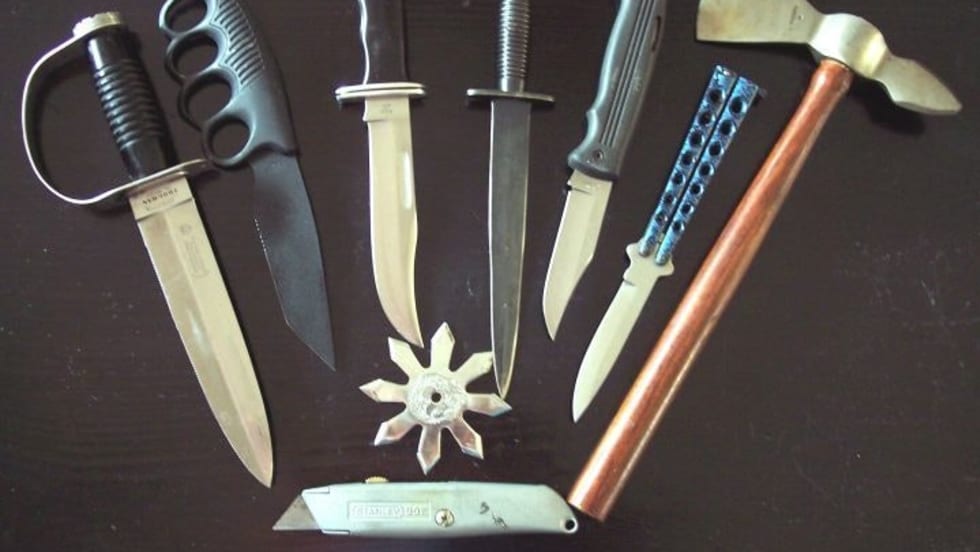
Read More →Gang members on the street and inside prisons acquire edged weapons to use in close-quarter attacks on rival gang members or law enforcement officers. Street gang members typically will use fixed-blade knives, daggers, folding knives, butterfly knives or other utility tools, while inmates fashion their own jail-made shanks and other weapons from boot reinforcements, bed wiring, and other materials. Don't miss POLICE gang expert Rich Valdemar's "Edged Weapons and Gang Culture" blog post.
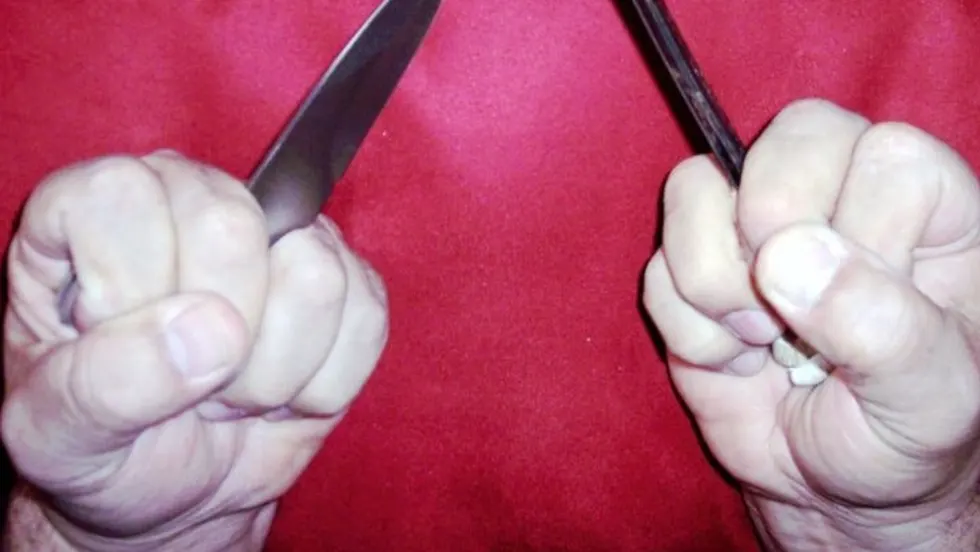
Read More →The jail-made "shank" is fashioned from this material by sharpened by scraping the metal on concrete floors. A handle is fashioned from paper or cloth. Since the length of the shank is small, the handle is often held in the palm of the fist with the blade protruding from between the middle and ring fingers like a push dagger.
Read More →In prison, forms of black slang and African languages are used to code conversations to prevent non-black inmates and staff from understanding the communication. They also serve as a racial recruiting tool.
Read More →The Black Panther Press' underground "New Afrikan Swahili Dialect Dictionary" is a guide to words and phrases used by black gang members in prison. Break the code by learning these translated terms.
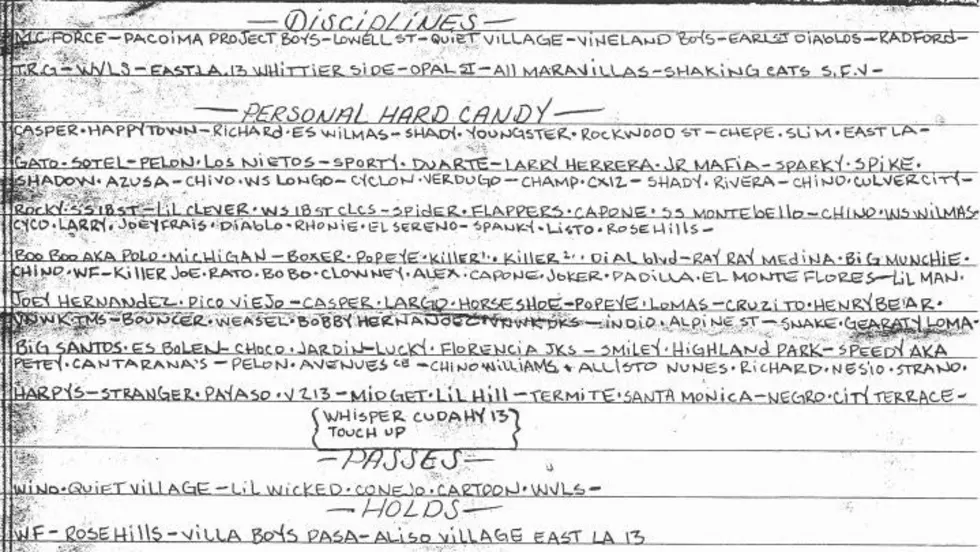
Read More →A Nahuatl dictionary was intercepted in a prison in September 2000. It contains the code to the ancient Aztec language now being used by gang members. Break the code by learning these translated terms.
Read More →