
Police Magazine

 MENU
 SEARCHMENUSEARCH
Loading data...

Online training offers agencies an effective and cost-efficient method for teaching officers about policy changes.
Read More →


By creating more scenario-based problem-solving training—that is spaced out over time, incorporates challenges and obstacles, randomizes required actions, and allows for exceptions in all of the above—trainers can make great strides in developing skills, abilities, and expertise in their trainees.
Read More →This October, a new de-escalation training methodology was presented to law enforcement administrators, supervisors, and field officers in Delaware that the participants say could become the training model for de-escalation training nationally.
Read More →Here's a look at four programs that offer high-quality training for free (or extremely low cost) to sworn officers.
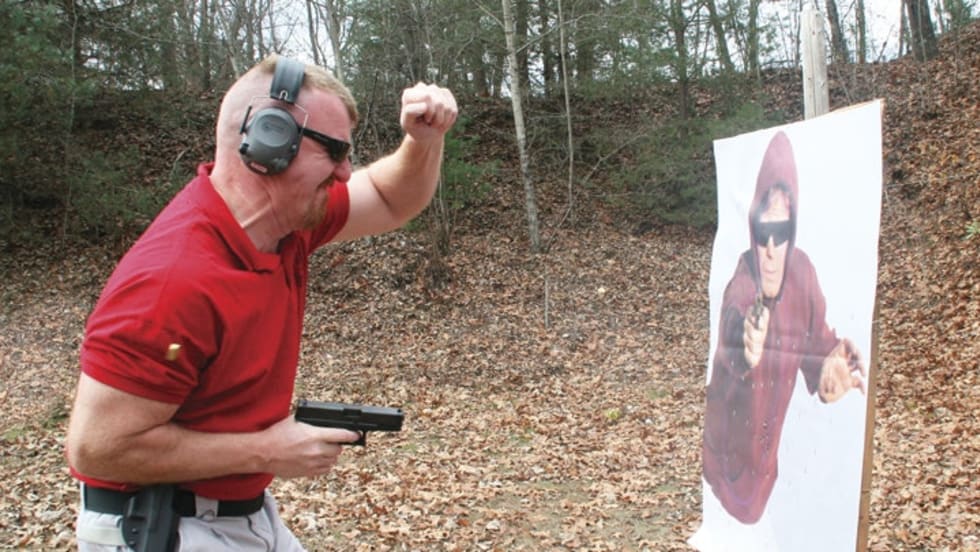
Read More →Even though we are told to keep our distance from subjects to give us time to react to a threat, that's not always realistic. We have to move in and close the distance to deal with people on a daily basis, and our training should reflect that.
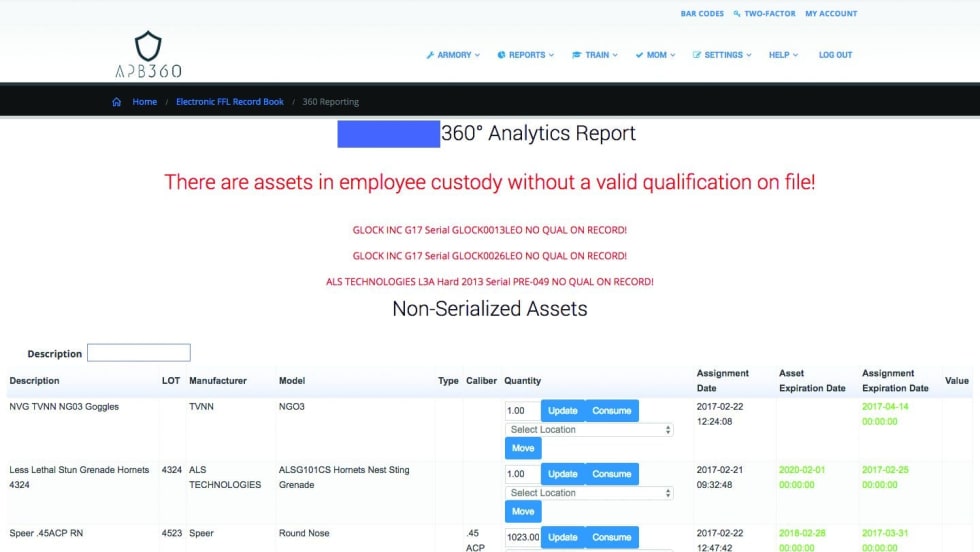
Read More →APB360's software is a versatile tool that can save agencies time and money by maintaining training records and inventory in one database.
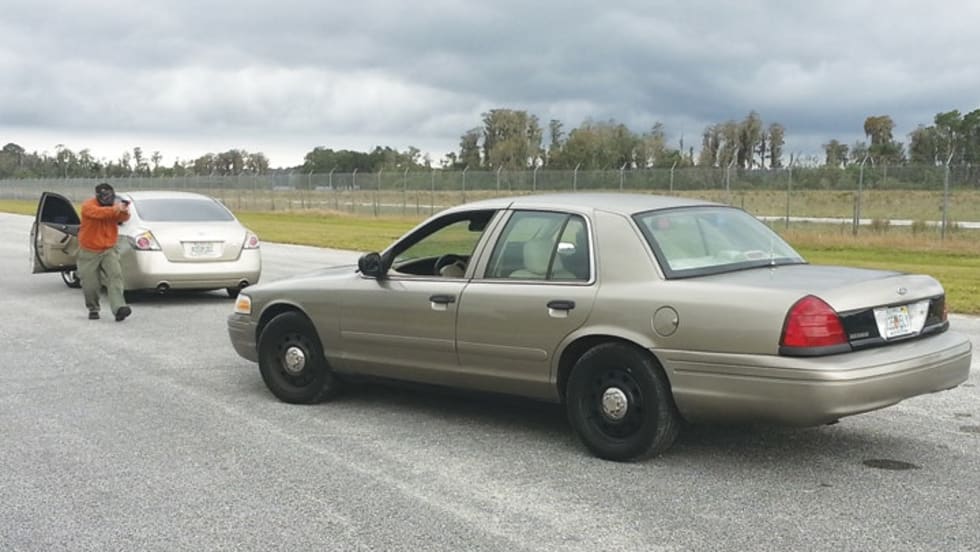
Read More →My agency recently presented an in-service training program on how to handle vehicle ambushes. We tackled the issue by focusing on the only three possible options available when attacked in your vehicle: retreat, run the suspect over, or get out and fight.
Read More →It's been said that the street cop wears many hats: psychologist, sociologist, counselor, arbitrator; electrician, firefighter, judge, jury, and even executioner. But how much formal training has he or she been exposed to in these various capacities?
Read More →FATS Inc.’s new Self-Contained Law Enforcement Training System is a portable training unit with complete FATS functionality, including FATS’ extensive DVD courseware that provides realistic virtual training in vital skills such as verbal commands, escalation and de-escalation of force, marksmanship, and non-lethal weapons use. Components include a 17-inch LCD monitor and keyboard, speaker, projector, hit-detect camera, and joystick, all housed in a resilient polyethylene case.
Read More →As the fires still smoldered in Lower Manhattan, Northern Virginia, and Western Pennsylvania, police across the country adopted what became known as the "9/12 Mindset." In time, however, the mantra of "see something, say something" was forgotten, and in many places budgets for counterterrorism slowly dwindled, and training began to wane. How do trainers recapture that urgency?
Read More →