
Police Magazine

 MENU
MENU SEARCHMENUSEARCH
Loading data...
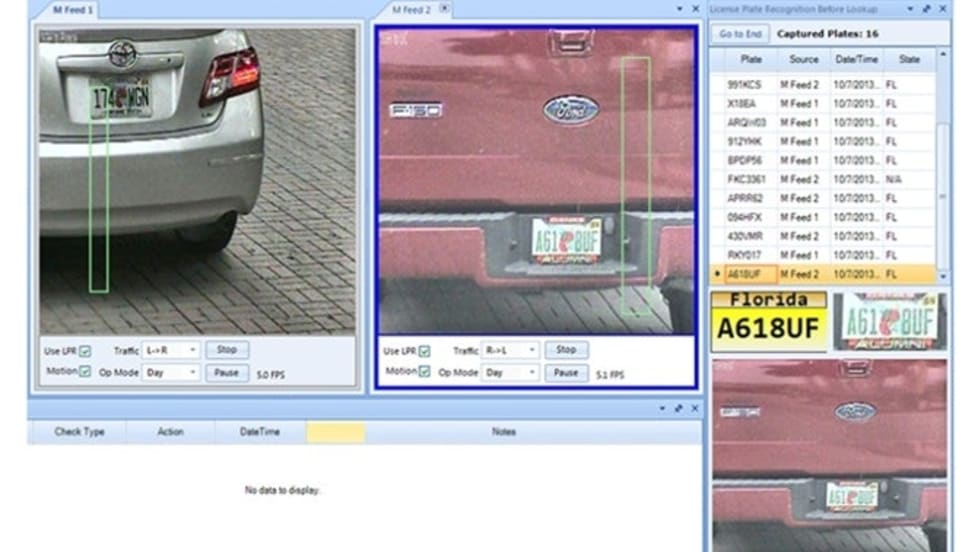
Law enforcement and private companies are collecting huge photo databases of license plate, time and location information for use as an investigative tool. But the use of license plate data is raising privacy concerns.
Read More →

Beginning July 1, offenders convicted of most aggravated misdemeanors in Iowa's courts will be required to submit a DNA sample. Current law requires felony convicts as well as sexually violent predators and sex offenders to submit DNA samples.
Read More →A team of researchers led by Sam Houston State University identified a number of areas of improvement in a national database of forensic ballistics evidence used to link guns to violent crimes.
Read More →A former Maricopa County (Ariz.) Sheriff’s Department commander whose home was raided earlier this year by federal agents was indicted on allegations of computer tampering and illegally accessing a criminal-justice database.
Read More →Columbitech's Mobile Virtual Private Network (VPN) provides a secure link for officers accessing criminal databases and dispatch information via mobile devices.
Read More →The NYPD has agreed to stop keeping the names and addresses of people who've been targets of stop-and-frisks, a civil rights group announced Wednesday.
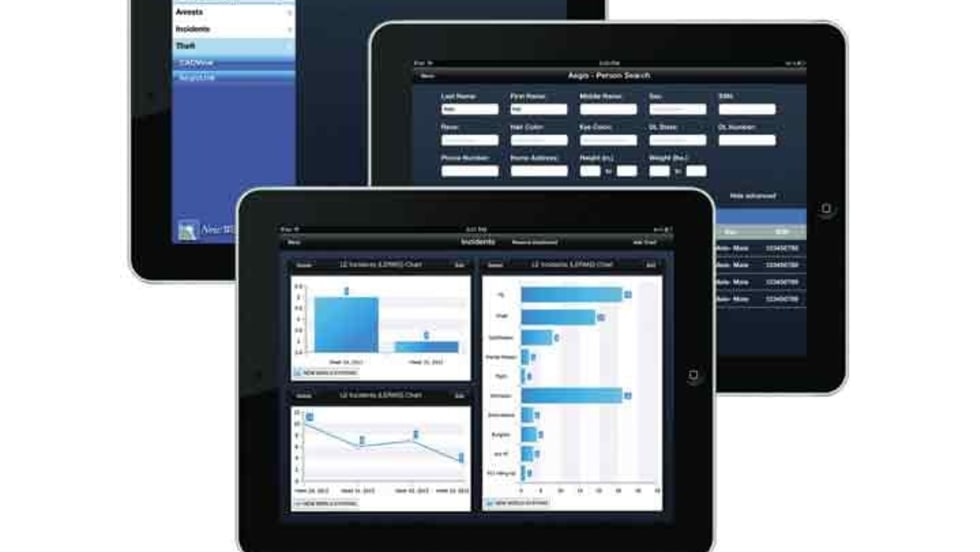
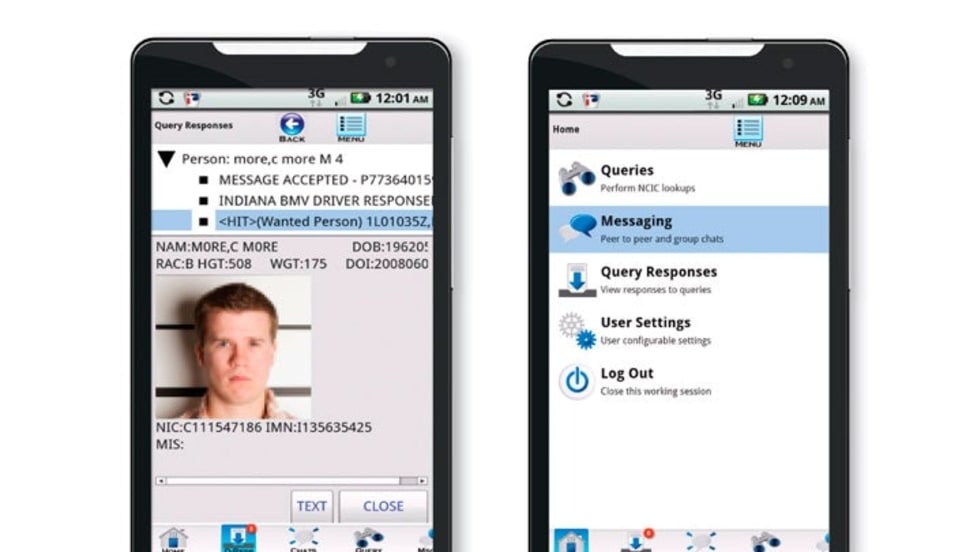
Read More →It's difficult to find a police officer—or a person, for that matter—who doesn't use a smartphone or tablet today. While these ubiquitous devices can be used to communicate, watch movies, and play games, they have also become serious work tools that many officers depend on.
Read More →A jury has convicted the "cannibal cop," a former NYPD officer who was fired after his wife revealed his macabre plan to kidnap, cook, and eat women.
Read More →Computer Projects of Illinois, Inc. (CPI) has introduced iPatrol, an enterprise app that allows officers to perform information queries from the field without contacting dispatch.
Read More →Nearly three dozen states have failed to meet conditions of a 2006 federal law that requires them to join a nationwide program to track sex offenders, including Texas and four other states that have completely given up on the effort because of persistent doubts about how it works and how much it costs.
Read More →