
Police Magazine

 MENU
 SEARCHMENUSEARCH
Loading data...
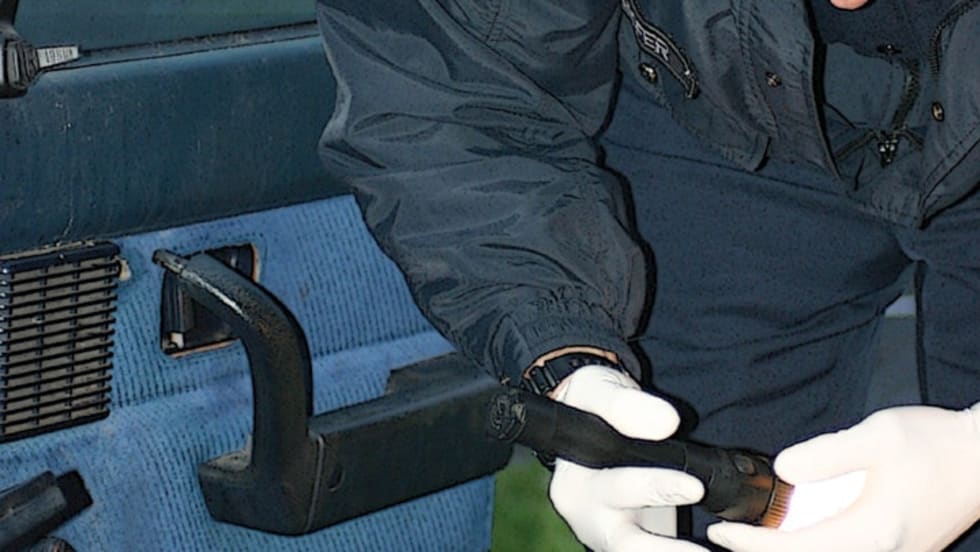
The Fourth Amendment exclusionary rule is not absolute. In a number of decisions, the U.S. Supreme Court has recognized that even where a police officer makes an unreasonable search or seizure, there may be compelling reasons not to exclude resulting evidence.
Read More →



The Supreme Court has agreed to hear Camreta v. Greene, an Oregon case centering on a whether a child protective services caseworker and deputy sheriff violated the Fourth Amendment when they interrogated a child who alleged sexual abuse in a private office at the child's school for two hours without a warrant, exigent circumstances or parental consent.
Read More →"Chicago’s agreement with the ACLU in late 2015 dramatically undercut proactive policing in the city … with homicides increasing more than 57 percent the very next year," Sessions said in the statement.
Read More →The Detroit Police Department made significant progress during the past three months in carrying out federally mandated reforms, a court-appointed monitor reported today.
Read More →While the monitor’s recommendation is a big hurdle, ultimately a federal judge still needs to sign off on allowing APD to self-monitor. They’ll meet the judge in a hearing on June 4.
Read More →Seattle Police Chief Kathleen O’Toole has asked the department’s internal-investigations unit to conduct a preliminary review of comments made by two officers in a New York Times video and story on de-escalation training.
Read More →A federal judge has placed Oakland Police Department reform efforts under his direct control, citing nearly a decade of inadequate attempts to comply with a legal settlement in a case that unmasked systemic police brutality and racial profiling.
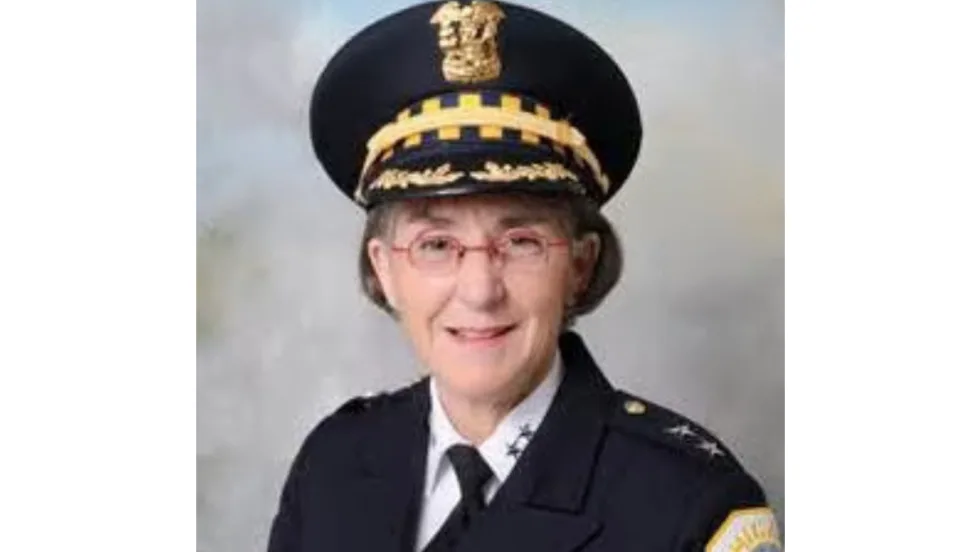
Read More →Anne Kirkpatrick has been hailed as a reformer by her supporters. If she is approved by the City Council, she would head an understaffed police department that has been operating under a broad reform agreement with the U.S. Justice Department that was app
Read More →In a federal lawsuit, three black Syracuse police officers claim racial discrimination in promotion and hiring practices by the department.
Read More →Any law enforcement entry into private premises, including a residence, or an office or other commercial area that is not open to the public, is governed by the Fourth Amendment. Officers may make lawful entry only in four ways, and the consequences of unlawful entry can include suppression of evidence and civil liability.
Read More →