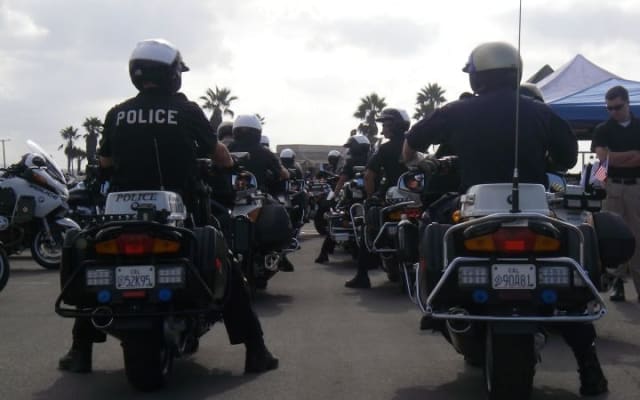
An annual California police motorcycle skills competition drew almost 500 officers to a sun-drenched parking lot along the Huntington Beach sand to compete for top-rider honors, train on patterns of neatly arranged orange cones and share a few moments of levity about their specialized patrol work. The Orange County Traffic Officer's Association hosted the annual police motorcycle skills competition, which nearly doubled in attendance from a year ago.

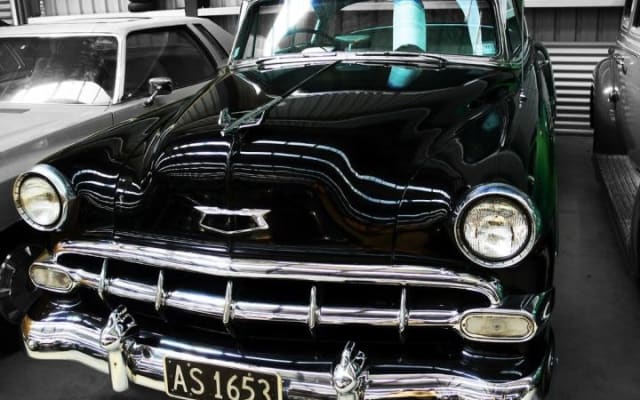
This week's announcement that General Motors is bringing back the Chevy Caprice patrol car, an officer favorite it stopped producing in 1996, put the editors of POLICE Magazine in the mood to remember the Chevy patrol cars of years past. Chevy has a strong legacy in the patrol car market, and the reintroduction of the Caprice patrol car has excited officers who remember the hot pursuer of the 1990s. We'll start off with the 1954 Chevy Bel Air, a patrol car that was affordable and powerful.
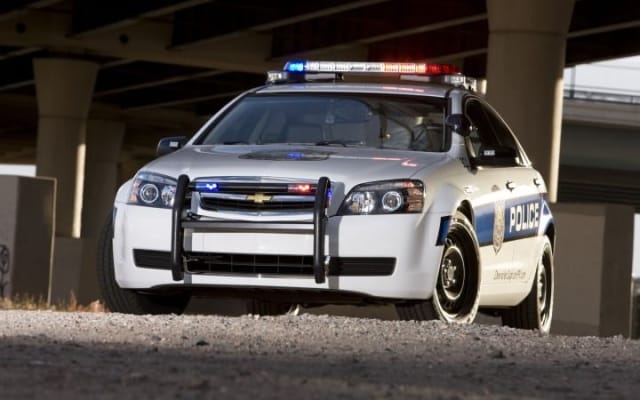
General Motors executives announced they plan to begin production of a new rear-wheel drive Chevrolet Caprice Police Patrol Vehicle today at the International Association of Chiefs of Police conference in Denver. The 2011 Caprice PPV will be available in two configurations: a 355-hp V8 that generates an estimated 384 lb-ft of torque and a tamer V6. An undercover version will also be available. Regardless of how it is configured, the sleek Caprice PPV is likely to make an impression on traffic scofflaws. Revealing the concept car, GM executive Jim Campbell touted the car's bold and commanding presence. He asked, "Can you imagine this baby in your rearview mirror?"
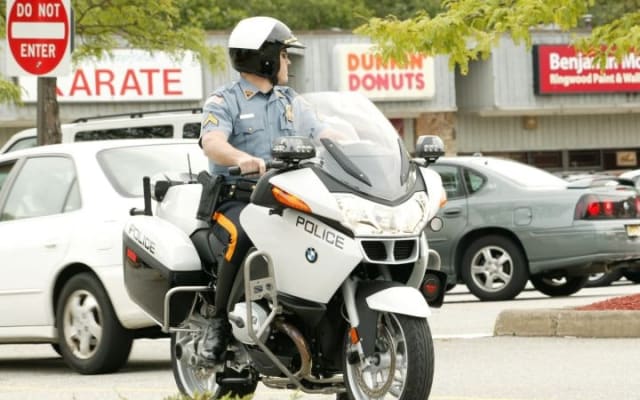
Officers patrolling for agencies that purchased motorcycles from the 2009 model year will be riding one of six models. Harley-Davidson, which began producing police motorcycles in 1908, offers the Road King and Electra Glide (identical engine with sidecar mounting). BMW's R1200 RT-P is a favorite of the California Highway Patrol and Los Angles Sheriff's Department. The company also offers the G650. In 2007, Honda began producing its ST1300, a compact, performance bike. And H-D subsidiary Buell began producing a police version of its Ulysses sportbike in late 2008. Roads can't contain that bike, which has already been put to use by several rural departments.
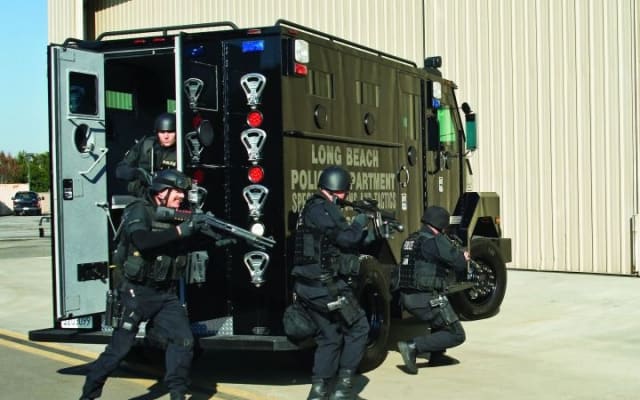
In the past decade, a new wave of commercial ARVs specifically built for law enforcement has hit the market. Few agencies could afford these big-ticket items prior to then, so initially the expense made it slow-going for the police armored vehicle industry. Then 9/11 changed law enforcement's attitude, and the formation of the Department of Homeland Security and its grant programs led to unprecedented funding for local law enforcement equipment, including ARVs. Responding to this increased demand, ARV manufacturers are developing the next generation of ARVs to meet the needs of contemporary tactical officer.
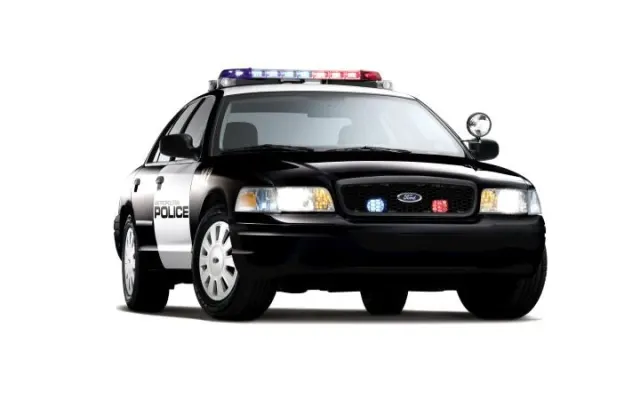
Ford's Crown Vic Police Interceptor (2009) is a workhorse patrol car for big-city and small-town LE agencies. The automaker has committed to producing it through 2011. Known as the CVPI, it has been a staple in the fleets of the Los Angeles Police Department and New York State Police, as well as the South Dakota Highway Patrol and Sandy Springs (Ga.) Police Department.
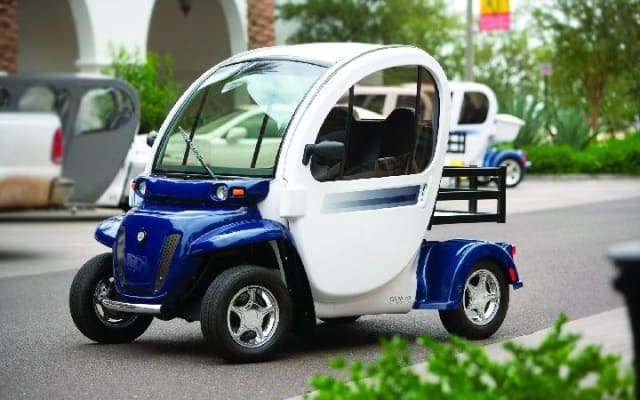
Current trends indicate that saving money and improving community relations will continue to drive law enforcement policy decisions for the foreseeable future. Following this train of thought, vehicles that run on electricity instead of gasoline and operate at lower speeds conducive to personal interaction are good news for both public safety and the public. Fortunately, there are several options available to agencies looking to take advantage of these innovative modes of transportation.
Whereas the Dodge Charger and Ford Crown Victoria have been staple patrol cars in the United States, police agencies outside of the country use BMW, Subaru, Skoda and a variety of other automaker brands for officers on the job. Check out some of the more colorful international vehicles patrolling cities in Europe, Canada and other areas. In one instance, a Canadian agency is taking a progressive approach by using an electric vehicle.