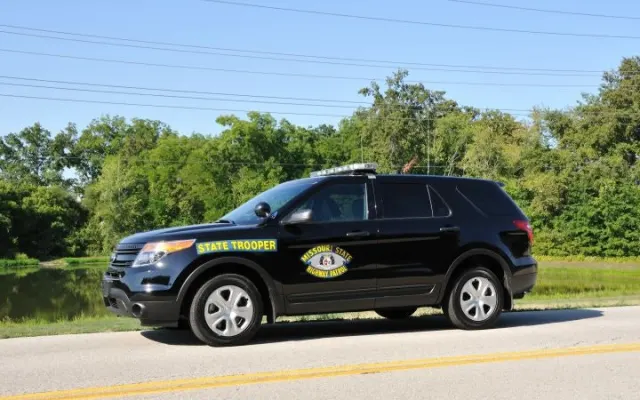
After retiring its venerable Crown Victoria Police Interceptor, Ford offered law enforcement agencies two choices—the Police Interceptor sedan and P.I. Utility. The P.I. Utility has caught on with highway patrol agencies for its increased cargo capacity and rear-end crash rating. View our gallery of in-service Ford P.I. Utility vehicles, and then read "The New Recruits: In-Service Cop Cars" for detailed stories of agencies using them. Photos provided by the respective agencies unless otherwise noted.

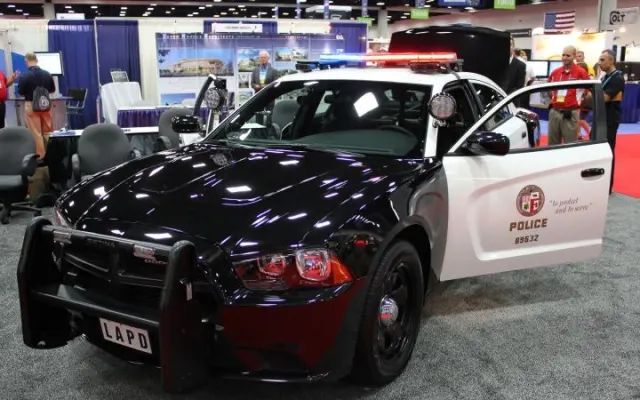
The Los Angeles Police Department and Chrysler developed a concept of the "patrol car of the future" that was displayed at the 2012 International Association of Chiefs of Police (IACP) conference. The Dodge Charger features an integrated dashboard screen, solar-powered lightbar, USB ports, and a vehicle wrap. Read the full story, "LAPD's Next-Generation Dodge Charger." Photos by Paul Clinton.
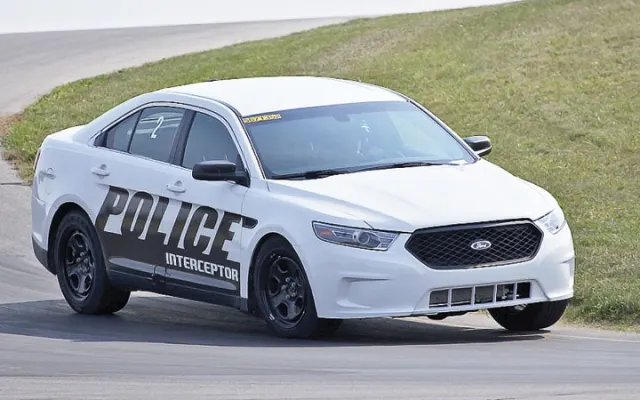
Evaluators in Michigan and Southern California have completed their testing of the 2013 model-year patrol cars, SUVs, and motorcycles. View these photos from the test sites that show the vehicles in action. Read "How to Use Police Vehicle Tests" for the full story.
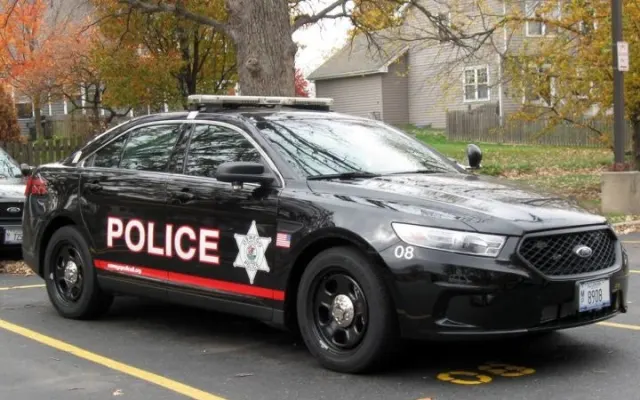
After retiring its venerable Crown Victoria Police Interceptor, Ford offered law enforcement agencies two choices—the Police Interceptor sedan and P.I. Utility. The vehicles provide a balance of fuel efficiency and power. View our gallery of in-service Ford Police Interceptor sedans, and then read "The New Recruits: In-Service Cop Cars" for detailed stories of agencies using them. Photos provided by the respective agencies unless otherwise noted.
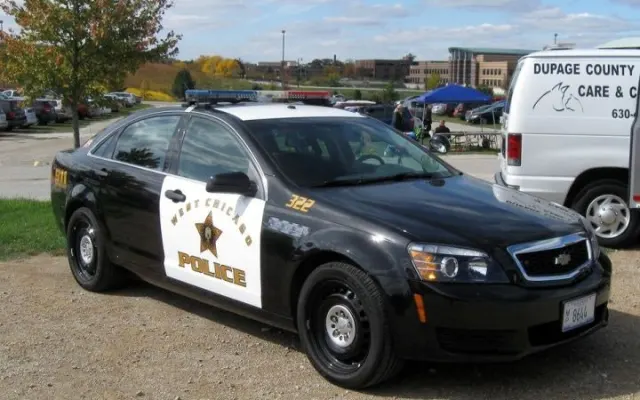
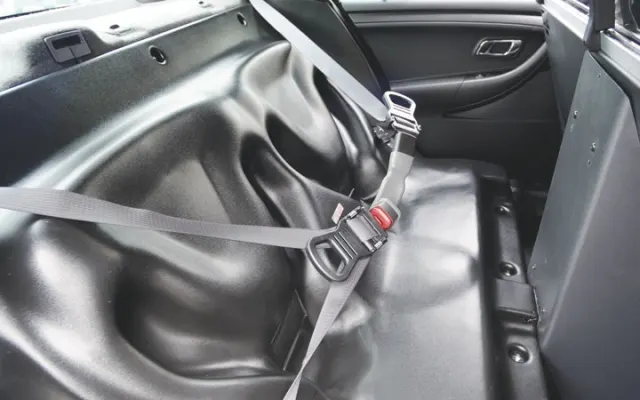
Chevrolet returned to the patrol car market with its Caprice PPV, a smaller, more powerful Caprice than the mid-90s model. This new police-only Caprice has impressed agencies with its mix of agility, braking, and high-speed handling. View our gallery of in-service Chavrolet Caprice PPVs, and then read "The New Recruits: In-Service Cop Cars" for detailed stories of agencies using them. Photos provided by the respective agencies unless otherwise noted.
This has been a watershed year for law enforcement vehicles. Agencies have been taking delivery of four new models from Chevrolet, Dodge, and Ford. And each of those new models must now be equipped with the latest accessories designed specifically to fit them or enhance their performance as public safety vehicles. Here's a look at some cool new vehicle accessories that have caught the eyes of the POLICE Magazine staff in recent months.
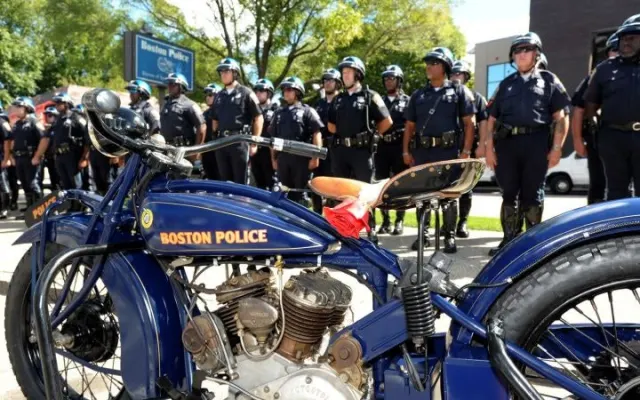
Boston celebrated two centennials in 2012—the building of Fenway Park for the Boston Red Sox and the founding of the Boston Police Department's motor unit, which is known as the Mobile Operations Patrol (MOP) unit. The two centennials came together on Sept. 16, when agency brass recognized the unit's heritage during a ceremony in front of Fenway's "green monster" wall in left field. Photos courtesy of Robert Anthony.
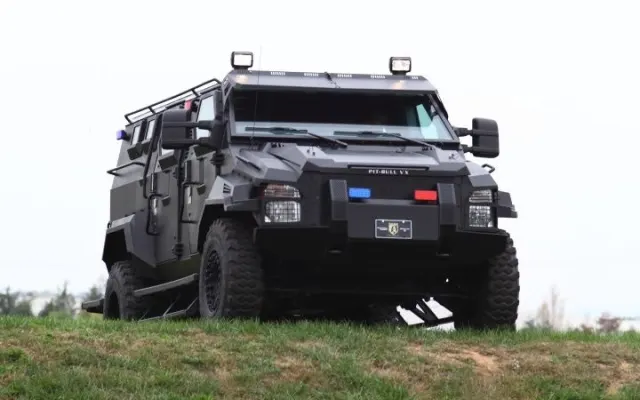
Armored vehicles provide officers with tactical advantages in barricade situations and other incidents involving individuals armed with high-caliber rounds. In addition to NIJ Level IV protection, they can be customized with all manner of equipment, including gear to help evacuate civilians and downed officers. Read our August feature to find out how to secure funding for these useful tools. Photos provided by manufacturers.
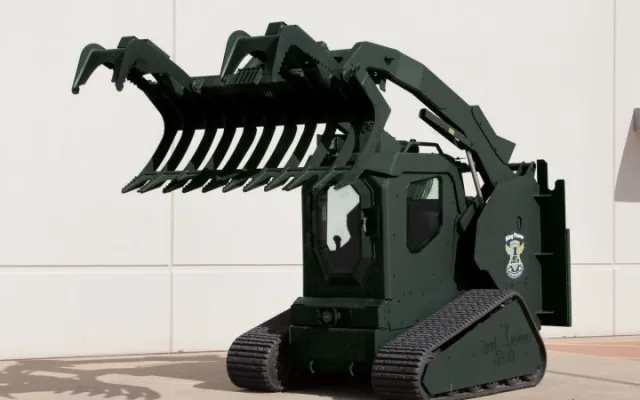
Ring Power's The Rook offers law enforcement agencies a versatile, tracked tactical vehicle with ballistic armoring rated to stop Level IV threats including armor-piercing rifle rounds. The Rook includes an armored deployment platform, hydrailic breaching ram, vehicle extraction tool, grapple claw, and 25-foot gooseneck trailer. The vehicle retails for $250,000. Photos courtesy of Ring Power.
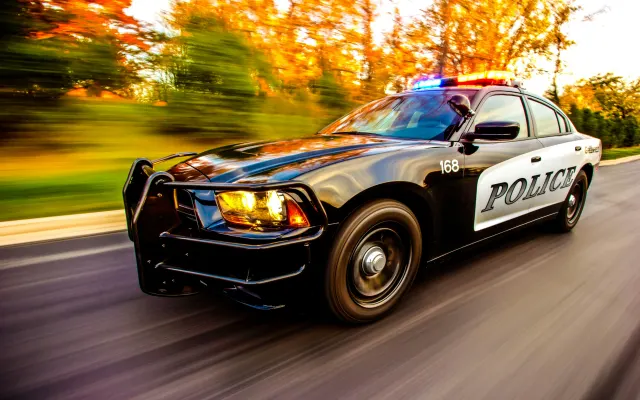
In the the race to replace the Ford Crown Vic on patrol, the Dodge Charger Pursuit arguably had a leg up on the competition, because Chrysler introduced it in 2006 and has worked out some of the initial kinks in the transition from a retail to police vehicle. Agencies who buy Chargers enthuse about the muscular V-8 HEMI and aggresive styling. View our gallery of in-service Chargers, and then read "The New Recruits: In-Service Cop Cars" for detailed stories of agencies using them. Photos provided by the respective agencies unless otherwise noted.
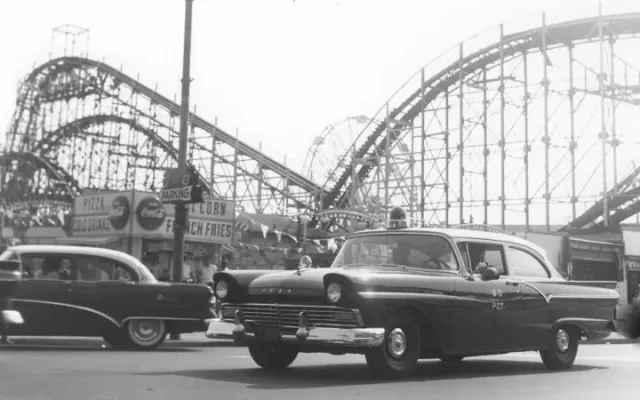
The NYPD began using horse-drawn police wagons in the later part of the 19th Century to move police forces from place to place. Motorized wagons came into use later, and it wasn't until the 1920s and 30s that the department began regularly using motorized patrol cars. Plymouth two-door radio cars were the standard in the late 1930s and 1940s. By the 1970s, the Plymouth Fury was the mainstay. Black-and-white photos courtesy of the New York City Police Museum.