



You Did What?
Officers who make a mistake should report it immediately. Lying to cover up a mistake is a much greater offense.


Illustration: Sequoia Blankenship
The Olympics held a powerful fascination for me when I was a youngster. American amateurs playing against Soviet "chemistry experiments" made for intense competition and very satisfying victories, when we got them. Today, a lot of the Olympic sports are pros versus pros, and they don't bring the same sense of achievement as in the past. Don't get me wrong, I still find watching intense competition, with an undercurrent of nationalism, invigorating, but the recent Olympics in Rio provided a lot more than cheering for our women winning the Gold in Basketball … they also presented us with a powerful morality play.
We all know the story. A group of America's elite swimmers got a bit toasted partying with the French team, then went to a gas station, did some damage, got confronted by security (who happened to be an off-duty police officer), and later claimed they were robbed. No amount of polish will ever remove the stain on these fellows' reputation. One of the most sobering moments in this debacle came during an interview with a marketing specialist who explained that the main star of this drama, Ryan Lochte, went from being a multi-millionaire spokesman for products to a pariah who couldn't sell lemonade on the street corner.
The marketer later blamed Lochte's "immaturity" for his critical mistake, and some are seeking to rehabilitate him—either out of compassion or self-interest—but the damage is done. I doubt we will see this 32-year-old selling anything, except maybe bail bonds services, anytime soon.
The key lesson to take from this is one we keep repeating over and over again to young crime fighters: Generally speaking, the greatest offenses are not the mistakes we make, but the lies we tell to try to cover up those mistakes. How many times have you heard the wise old senior sergeant say, "I'll help you recover from a mistake if you come to me right away, but if you lie to me or try to hide it, I won't be able to do anything to help you."
A few years ago a good friend of mine was sitting in a coffee shop with some other officers from his team when he accidentally discharged his TASER cartridge; he immediately complained about it "malfunctioning." Rather than call his sergeant right then and there, he reassured his compadres he would "take care of it later." He then proceeded to clean up and leave, and never contacted anyone about the incident.
The shop owner, thinking this a rather odd event, gathered up the AFID tags and waited for the next group of cops to come in for coffee. He asked them about what happened, and if that was a usual squad activity in a shop. In the fallout, what would have been a written reprimand turned into an unpaid break in service of about 10 days for my friend, and the near punishment for the others who failed to report the accidental discharge.
So what do you do when you make a mistake? First and foremost, contact your supervisor as quickly as possible. Follow the old and wise saying, "Bad news travels fast." There is another old saying in law enforcement: "If it didn't come out of the end of a gun we can probably fix it." In this modern era of body cams and cell phones, there are many ways we can err; whether we're swearing or backing into a pole, it seems someone is always watching and recording. You want to be the first to report your mistake—not second, and certainly not last.
Don't lie to your supervisor, no matter how stupid the incident makes you sound. If you screwed up because you were afraid, angry, or confused, admit it. Being human brings all the good and all the bad with it, and mistakes and accidents are part of the package. If you get a letter of instruction, reprimand, or a day or two off, take it, learn from it, and move on. Don't let it destroy your attitude or your life.
For you rookies, your first reprimand will seem like a huge deal, but it is just part of the great adventure of being a crime fighter. Forgive yourself and move on, and don't waste night after night being angry at yourself or others.
You supervisors need to take a moment to reflect on how you react to mistakes and accidents, and ask yourself what you can do to improve your response. An error is a golden opportunity to improve performance and attitude in your people, making them not only better, but safer.
This is all something to truly think about. Although you probably won't lose a lucrative Nike contract if you lie, you will lose some things that are more valuable: your career, your reputation, your honor.
Dave Smith is an internationally recognized law enforcement trainer and is the creator of "JD Buck Savage." You can follow Buck on Twitter at @thebucksavage.
More Patrol
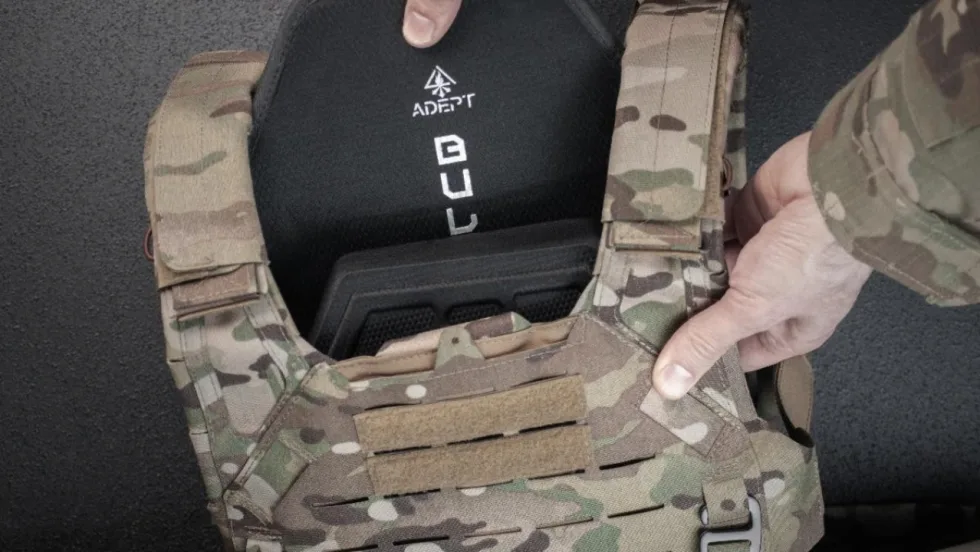
Adept Armor Introduces Two New Rifle Plates
Adept Armor has launched two new Level IV ballistic plates, the Emperor and the Archon Mark 2, which brings Adept Armor’s new Quatroid ceramic to the high-threat, performance-value center of the range at 5.2 pounds.
Read More →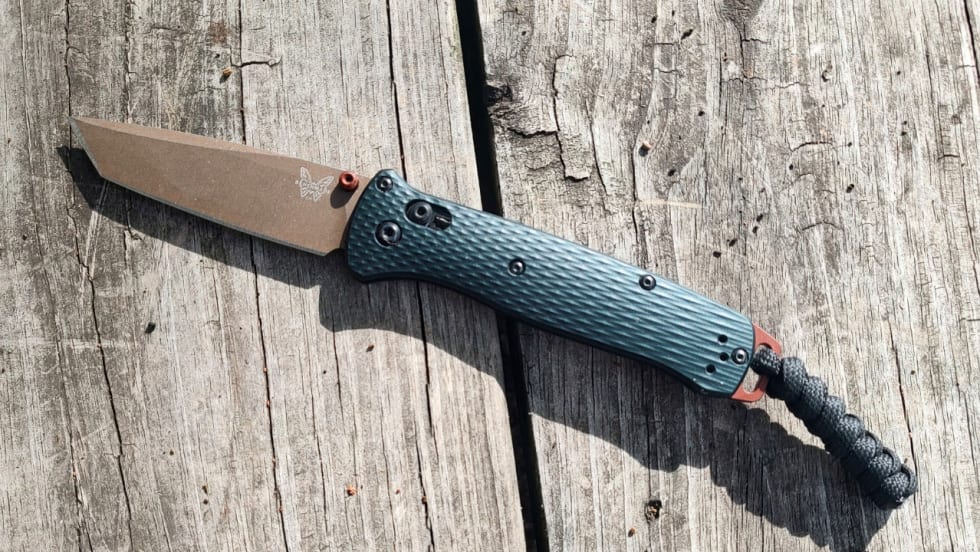
POLICE Product Test: Benchmade Bailout
The Benchmade Bailout is a slim, lightweight carry knife with a deep-ride pocket clip and comes in a variety of blade steels and scales. Here is a detailed review of the Taiga Green Bailout, released earlier this year.
Read More →
NLEOMF Announces July 2026 Officer of the Month
NLEOMF honored a Michigan deputy sheriff as the July 2026 Officer of the Month for rescuing a trapped driver from a burning vehicle following a Fourth of July crash.
Read More →
Streamlight to Showcase Newest Lighting Products at National Safety Council’s Safety Congress & Expo 2026
Streamlight will showcase its latest lights, including the Portable Scene Light III and the LiteBox 1Million, at the 2026 National Safety Council (NSC) Safety Congress & Expo.
Read More →
The 2027 World Police & Fire Games Set for Perth, Australia
The 2027 World Police & Fire Games (WPFG) will take place in Perth, Western Australia, from Friday, March 12 through Sunday, March 21, 2027.
Read More →
5.11 Partners with National Fallen Firefighters Foundation to Support #ForThe343
5.11 has joined the nationwide movement honoring the 343 New York City Fire Department firefighters lost on Sept. 11, 2001.
Read More →
Team Wendy Announces Title Sponsorship of the Jorge Pastore Foundation
Team Wendy’s 3-year partnership with the Jorge Pastore Foundation expands access to programs that strengthen those who serve.
Read More →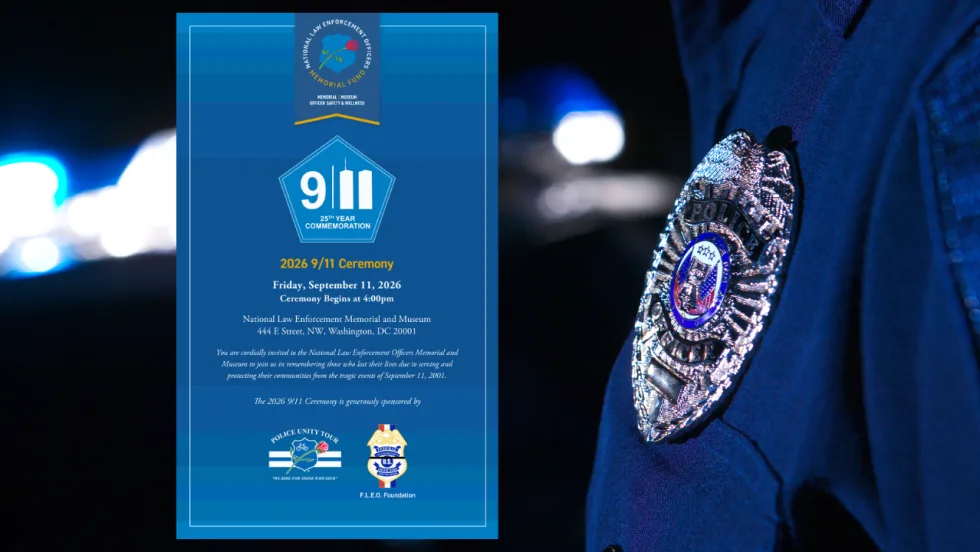
National Law Enforcement Memorial and Museum Hosting 9/11 25th-Year Commemoration Ceremony
The National Law Enforcement Memorial and Museum is hosting a 9/11 25th Year Commemoration Ceremony on Sept. 11 at 4 p.m.
Read More →
National Law Enforcement Officers Memorial Fund Announces June 2026 Officers of the Month
The National Law Enforcement Officers Memorial Fund (NLEOMF) named 15 officers of the Chico Police Department (California) as the Officers of the Month for June 2026 for their roles in responding to an active-shooter incident at a public library.
Read More →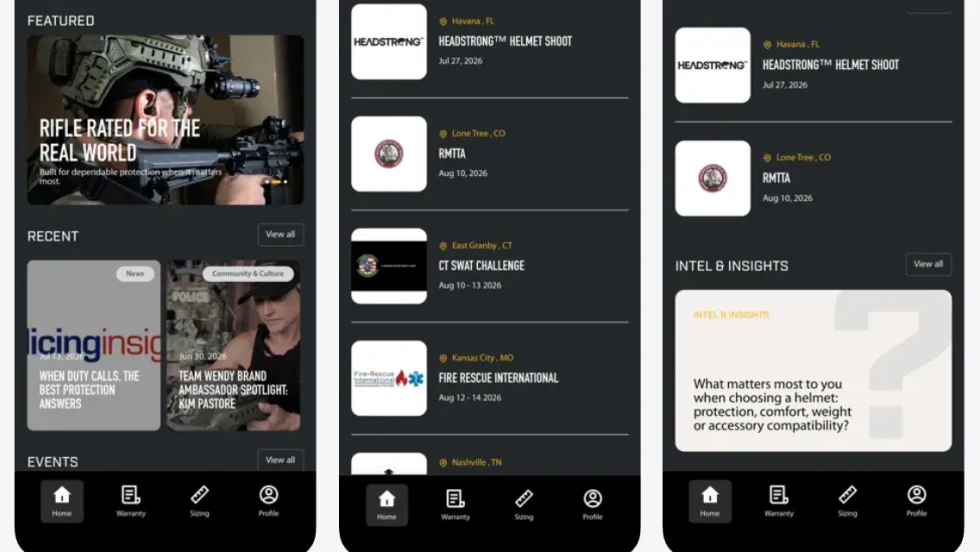
Team Wendy App Creates New Digital Hub for Helmet Owners
The Team Wendy Community App provides one location for warranty registration, size-fit tools, product updates, and community connection. For helmet owners, the new app creates a simpler path to the information and tools that matter most.
Read More →