



Red Cross Stops Seeking Sept. 11 Fund Donations
WASHINGTON -- The American Red Cross has raised enough money to help victims of the terrorist attacks and will stop asking for donations, its interim chief executive says.

WASHINGTON -- The American Red Cross has raised enough money to help victims of the terrorist attacks and will stop asking for donations, its interim chief executive says. The Liberty Fund held $547 million in pledges as of Monday. More than $200 million in uncommitted money will be held to meet future needs arising from the attacks and the aftermath. Harold Decker, the charity's temporary leader, said it was known from the start that the fund was for a specific event - the Sept. 11 attacks - and would eventually be closed. Another factor is the effect that raising money exclusively for the Liberty Fund has had on the Red Cross Disaster Relief Fund, the general account for floods, hurricanes, tornadoes and other emergencies. The disaster fund had $26 million as of Sept. 30, chief financial officer Jack Campbell said Tuesday. The fund's target is about $57 million, he said. As a result, contributions arriving at the Red Cross after Wednesday will go to the general disaster fund unless donors specify the money should be used for attack relief, Decker said. Liberty Fund money also will continue to be held separately from other funds, Decker said, and will be devoted to aiding victims' families and other relief efforts arising from the attacks. ``That is the way the fund was set up. That is what donors expect,'' he told reporters. Since the Sept. 11 attacks, which killed more than 4,800 people in New York, Washington and Pennsylvania, the Red Cross has spent more than $140 million on related disaster relief. Of that amount, almost $44 million has been shared by more than 2,200 families to help cover housing, child care, food and other expenses for about three months. About $67 million was used for immediate disaster relief needs, such as onsite food, shelter and other support for rescue workers and victims' families. More than $11.5 million has been spent on blood donor programs, $14.7 million on nationwide community outreach and $2.5 million on indirect support costs, such as fuel for emergency response vehicles and maintaining a toll-free information hot line. The Red Cross expects to spend about $300 million over the next year on these projects. More than $200 million remaining will be used in future years to aid victims of the attacks and its aftermath.
More Vehicle Ops
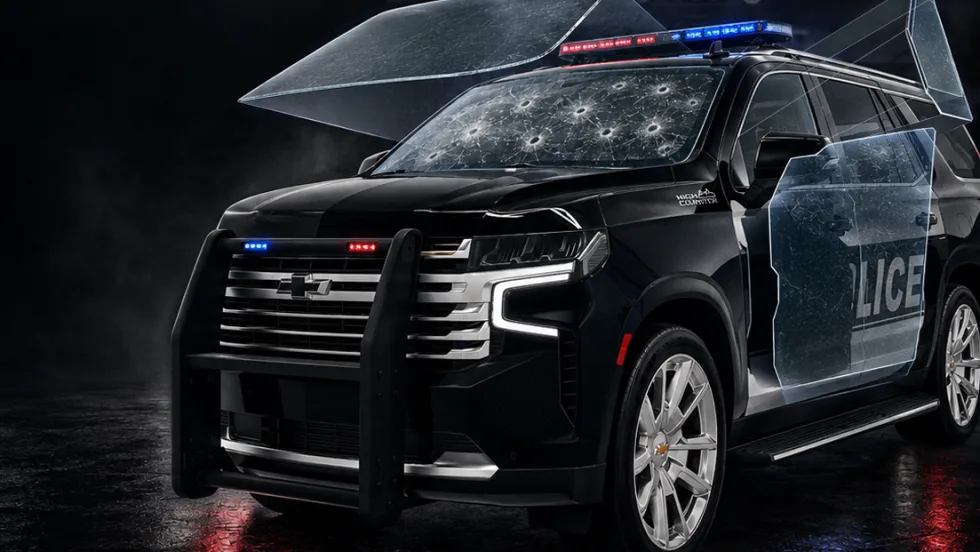
It’s an Ambush: How Ballistic Glass Redefines Patrol Vehicle Safety
Dana Safety Supply is setting a new standard for officer safety with windshields capable of withstanding multiple rounds and saving lives — and one Texas deputy is living proof.
Read More →
Dana Safety Supply’s BallisTech Vehicle Armoring Solutions
Dana Safety Supply is setting a new standard for officer safety with windshields capable of withstanding multiple rounds and saving lives.
Read More →
Ford Showcases 2028 Ford Expedition Police Responder
Ford showcased its 2028 Ford Expedition Police Responder, a full-size, pursuit-rated utility vehicle, at Police Fleet Expo this week. It comes standard with 4x4 and a 3.5-liter EcoBoost V6 producing 400 horsepower and 480 lb.-ft. of torque.
Read More →

Pickups on Patrol: Understanding the Vehicle Dynamics
Pickup trucks are not new to patrol duties, but with the debut of the 2027 Ram 2500 Emergency Response Vehicle, they are getting larger and heavier. POLICE reached out to the Michigan State Police Precision Driving Unit to learn more about pickup truck handling, vehicle dynamics, and what officers need to know.
Read More →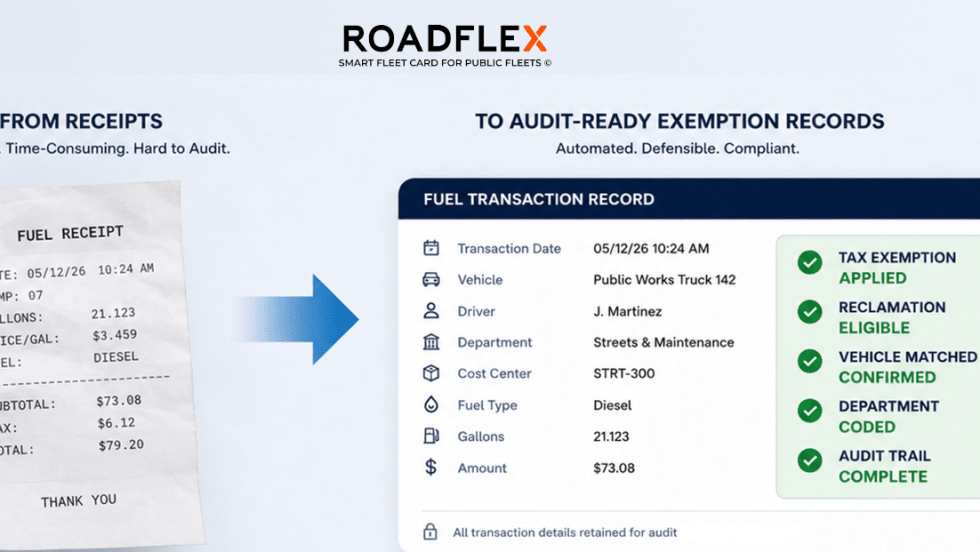
RoadFlex Brings Fuel Tax Compliance & Audit-Ready Reporting to Government Fleets
RoadFlex now offers its capabilities to help public-sector fleets streamline fuel tax exemptions, reclamation, reconciliation, and audit-ready reporting.
Read More →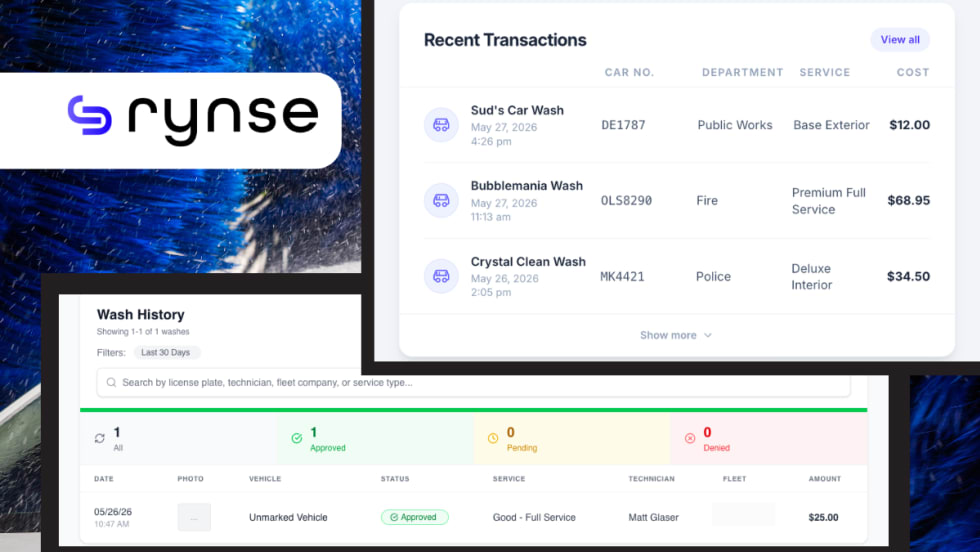
Rynse Awarded Cooperative Purchasing Contract, Expanding Nationwide Fleet Wash Access for Law Enforcement
Rynse has secured a 2026-2027 NCSA contract, giving law enforcement agencies nationwide fast-track access to its fleet wash network and management platform, which streamlines procurement, reduces administrative burdens, and helps fleets stay road-ready with greater oversight.
Read More →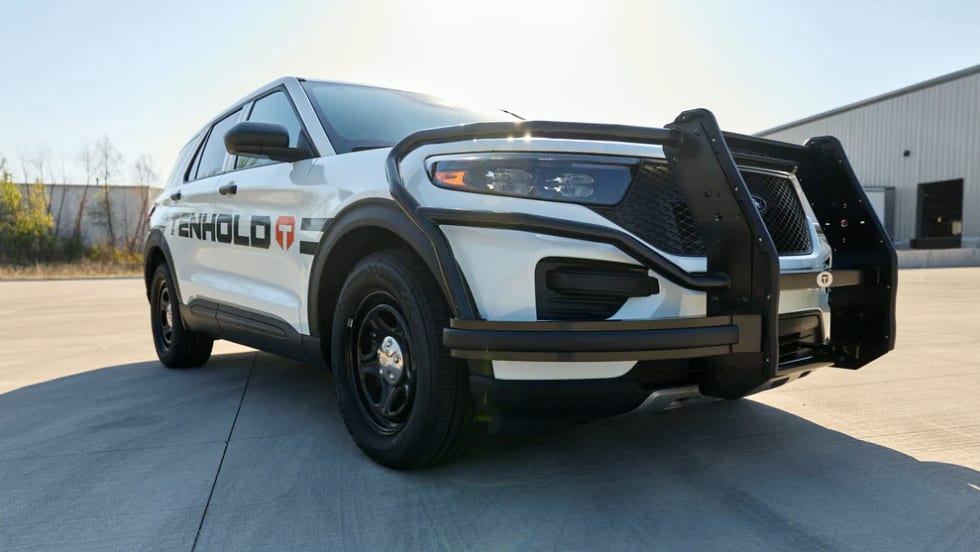
Tenhold Introduces Suppressor Gun Rack System
Tenhold, formerly Jotto Desk, provides next-generation vehicle systems for law enforcement and public safety and recently debuted its Suppressor Lock Head for its Weapon Mounting system.
Read More →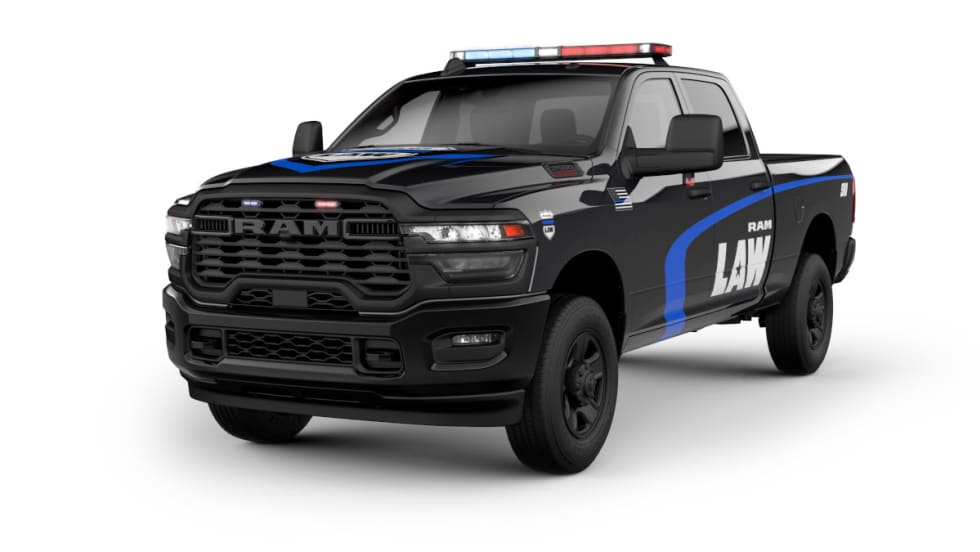
Ram Debuts Pursuit-Capable 2500 Emergency Response Vehicle
The 2027 Ram 2500 Emergency Response Vehicle is the first and only ¾-ton truck to complete the Michigan State Police vehicle trials, and Ram said it delivered outstanding performance in testing scenarios designed to replicate extreme real-world duty.
Read More →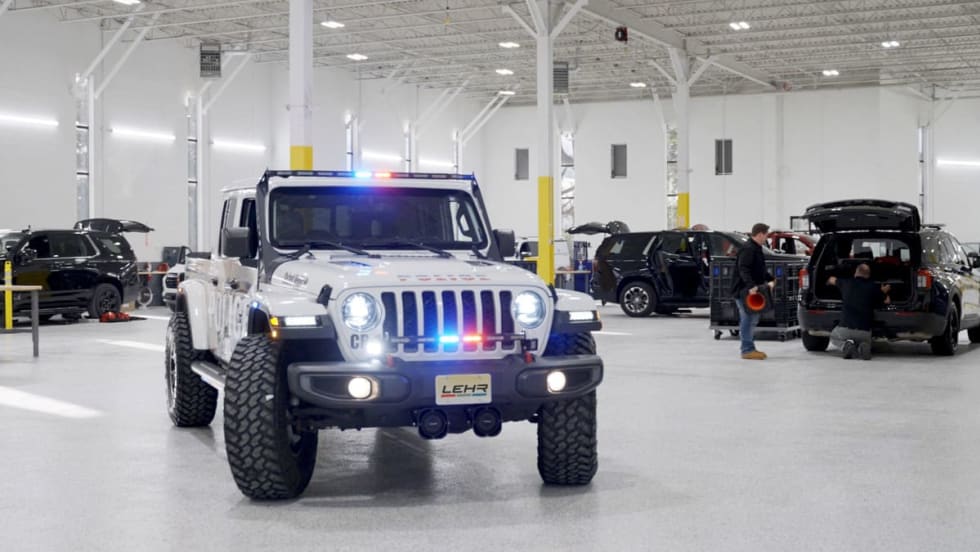
Emergency Vehicle Upfitter LEHR Opens New Facility in New Jersey
LEHR’s new centralized upfitting facility in New Jersey consolidates operations to deliver faster turnaround times and enhanced fleet capacity for law enforcement agencies across the Northeast.
Read More →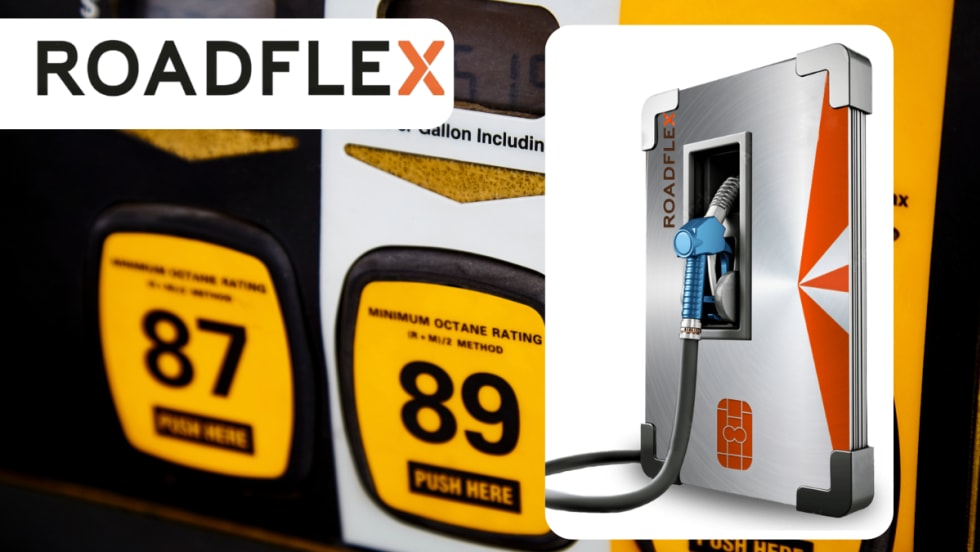
North Carolina Sheriff’s Office Improves Fueling Reliability & Operational Control
The Madison County Sheriff’s Office overcame fuel management and accounting challenges by turning to RoadFlex to improve fueling reliability, visibility, and administrative control.
Read More →