



Harvard Group’s Fatigue Management Program Still Accepting Participants
The Harvard Work Hours, Health and Safety Group is still seeking participation in an important health initiative whose ultimate aim is to reduce the impact of fatigue in police departments across the U.S. and Canada.

The Harvard Work Hours, Health and Safety Group is still seeking participation in an important health initiative whose ultimate aim is to reduce the impact of fatigue in police departments across the U.S. and Canada. Whether you work for a town or city police department, sheriff’s division, or state or federal law enforcement agency, you are encouraged to sign on to this effort and be eligible to win cash prizes, receive a free screening for five common sleep disorders, and gain the satisfaction of knowing you are contributing to a program whose discoveries may save many officer lives.
Approximately 3,700 officers representing every state in the U.S. as well as several Canadian provinces have already joined this program, which is officially called the Harvard Work Hours and Safety Study. It is funded by the National Institute of Justice and has been running since August 2005.
This phase of the program is a research study that uses a confidential Internet survey covering such topics as sleep duration, fatigue, stress, general health, personal and family relationships, job satisfaction, work schedules, motor vehicle crashes, and work-related injuries. Participants log on to a secure server and fill out the survey every month for a year. When the study is completed, participants will be given access to a Web site which will detail the findings in an accessible format.
The Harvard health and safety group is mounting this online portion concurrently with on-site fatigue management programs at Massachusetts State Police and Philadelphia Police Department stations. For these departments, the group is implementing innovative strategies to reduce fatigue-related accidents and injuries, improve the performance of police, and reduce adverse health consequences (such as hypertension and congestive heart failure) related to common sleep disorders through early diagnosis and treatment. The multifaceted program includes education on sleep and circadian rhythms, caffeine re-education, and sleep disorder screening and treatment.
The nationwide initiative is intended to expand the understanding of the nature, scope, causes, and consequences of police fatigue and increase the ability to develop guidelines from the local program. In addition, the national survey will serve as a guide for effective national dissemination of the locally established interventions.
Any sworn officer is eligible to enroll in the nationwide survey whose data collection period will extend until at least the end of 2006. Interested police officers are encouraged to visit https://workhoursandsafety.org to receive more details about the study. Visitors to the Web site may, but are not obligated to, enroll in the study. Once a police officer enrolls in the study, he or she will receive password-coded links to the secure survey Web sites via e-mail. The officer will initially receive a link to complete a baseline survey and then will receive a link on the 28th of each month to complete the monthly surveys. Surveys should only take about 15-20 minutes to complete. Participants who complete all surveys will be eligible to participate in a drawing for total cash awards of $10,000.
All information the officers supply is hosted on a secure server and kept completely confidential by investigators who have over 25 years experience conducting similar studies. In addition, the study is protected by federal statutes that mandate that such research data be kept confidential. Individual data collected will not be shared with employers or labor groups and all public reporting of results will be done in aggregate form that does not identify any individual officer.
Members of the Harvard Work Hours, Health and Safety Group have extensive experience studying the impact of work hours on health, safety, and productivity. For the past 25 years, scientists on this team have implemented fatigue management programs in police departments, hospitals, and many diverse 24/7 operations, including NASA where they have worked with the astronauts for the past 15 years implementing innovative countermeasures to reduce the safety risks associated with fatigue. They are currently working with several astronauts on board the STS-121 Discovery mission that launched on July 4.
For more information, call 617-732-8523 or e-mail info@workhoursandsafety.org.
More Training
Registration Underway for Sixth Annual First Responders Relay
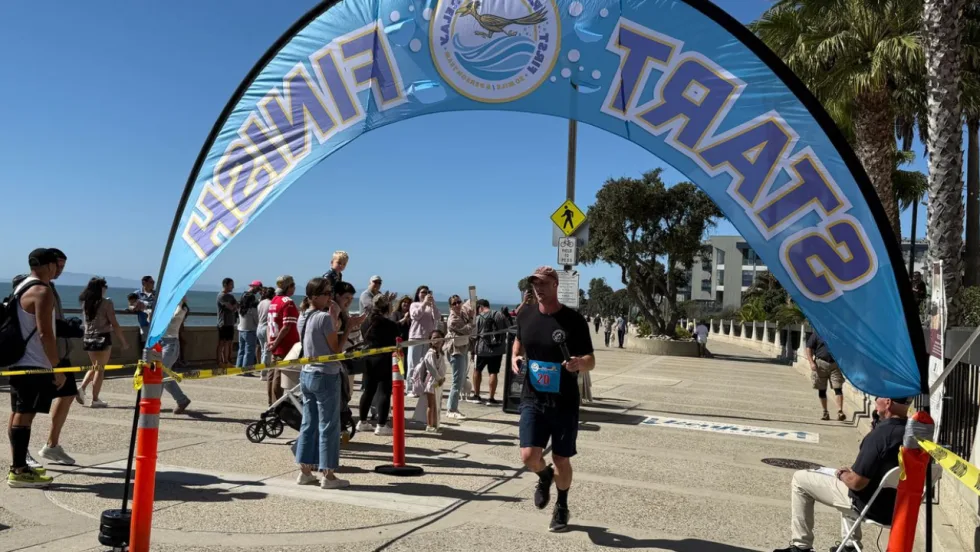
The California Police Athletic Federation’s annual First Responder Relay will welcome first responder teams from across the globe to compete along Ventura's scenic coastline on Oct. 11. Registration is underway.
Read More →
Vector Solutions Launches Comprehensive Online Dispatch Training Catalog for Emergency Communications Professionals
Vector Solutions’ new catalog of 35 expert-developed online courses can help emergency communication centers strengthen training, meet certification requirements, and simplify continuing education.
Read More →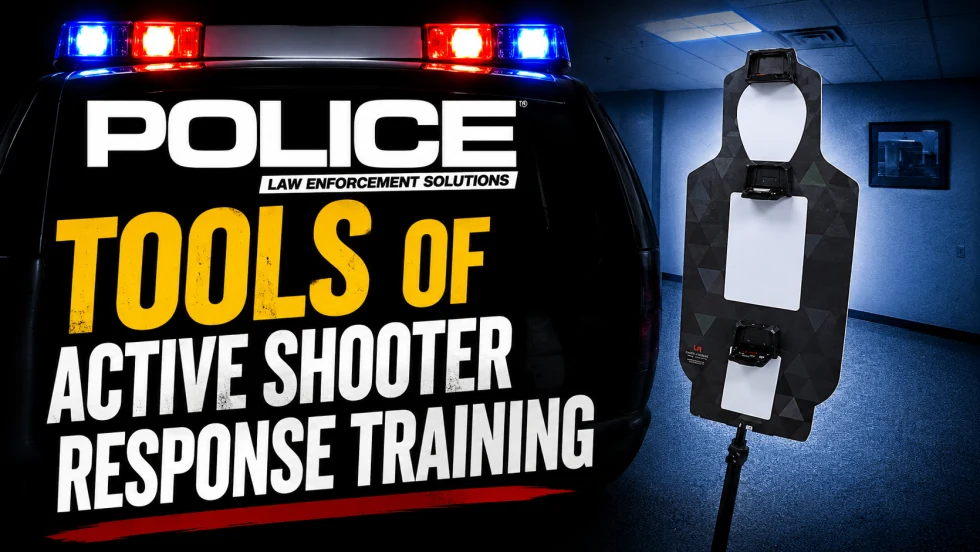
Tools for Active Shooter Response Training
What technologies help prepare officers for active shooter response situations? This behind-the-scenes look at law enforcement training explores shot simulators, smart firearms, laser target systems, and the tools used to build safer, more effective training environments.
Read More →
Two-Officer Tactical Doorway Entry Techniques
Entering a room during active-threat situations requires communication, coordination, and disciplined tactical movement. In this video, trainers from the United States Deputy Sheriff’s Association demonstrate critical room entry concepts, including fatal funnel awareness, team coordination, and safe tactical movement.
Read More →
High Compressed Ready Explained | Muzzle Control For Room Entry
In this video, Mike Willis, law enforcement national training and program director for the United States Deputy Sheriffs’ Association, demonstrates the high compressed ready position and discusses muzzle control during room entry.
Read More →
Why Attend the DroneSense Innovation Summit by Versaterm?
Let’s hear from Ryan Bracken, head of product, about why your agency should send someone to the first annual DroneSense Innovation Summit by Versaterm in April.
Read More →
Caswell Live Fire Spins Off from InVeris
Caswell Live Fire has spun off from parent company InVeris, coinciding with the 100th anniversary of Caswell’s founding. Over the past 100 years, Caswell has developed pioneering solutions that support military, law enforcement, and commercial clients worldwide.
Read More →
When Do You Transport a Wounded Officer Instead of Waiting for EMS?
Thumbnail for video series POLICE Topics, Tactics & Tips with a yellow headline that reads When Do You Transport a Wounded Officer Instead of Waiting for EMS?
Read More →
How to Pick Your High-Risk Stop Location for Tactical Advantage
Hear veteran trainer Mike Willis, of the United States Deputy Sheriff’s Association, explain several considerations that can help you wisely pick your best spot to initiate high-risk or felony traffic stops.
Read More →
Coffee Break with Police Experts: Using Your Patrol Vehicle for Cover
In this video, hear from Dustin Mowery, a product specialist at Team Wendy, as he discusses how to best use a patrol vehicle for cover.
Read More →