



Gun Rights for Individuals Broadened
The Bush administration has told the Supreme Court that it believes the Constitution protects an individual's right to possess firearms. This is a first. It reverses decades of Justice Department policy.

The Bush administration has told the Supreme Court that it believes the Constitution protects an individual's right to possess firearms. This is a first. It reverses decades of Justice Department policy.
At the same time, the administration's top Supreme Court lawyer said the high court need not test that principle now.
The administration's view represents a reversal of government interpretations of the Second Amendment going back some 40 years.
"The current position of the United States ... is that the Second Amendment more broadly protects the rights of individuals, including persons who are not members of any militia or engaged in active military service or training, to possess and bear their own firearms," Solicitor General Theodore Olson wrote in two court filings this week.
That right, however, is "subject to reasonable restrictions designed to prevent possession by unfit persons or to restrict the possession of types of firearms that are particularly suited to criminal misuse."
Olson, the administration's top Supreme Court lawyer, was reflecting the view of Attorney General John Ashcroft that the Second Amendment confers the right to "keep and bear arms" to private citizens and not merely to the "well-regulated militia" mentioned in the amendment's text.
Ashcroft caused a stir when he expressed a similar sentiment a year ago in a letter to the National Rifle Association.
"While some have argued that the Second Amendment guarantees only a `collective' right of the states to maintain militias, I believe the amendment's plain meaning and original intent prove otherwise," Ashcroft wrote.
Critics accused him of kowtowing to the NRA and of undermining federal prosecutors by endorsing a legal view 180 degrees away from what has been official Justice Department policy through four Democratic and five Republican administrations.
At the time Ashcroft wrote the letter, it was unclear whether he was expressing his personal view or stating a new policy position for the government. That question was mostly answered last November, when he sent a letter to federal prosecutors praising an appeals court decision that found "the Second Amendment does protect individual rights" but noting that those rights could be subject to "limited, narrowly tailored specific exceptions."
That opinion by the 5th U.S. Circuit Court of Appeals went on to reject arguments from Texas physician Timothy Emerson that a 1994 federal gun law was unconstitutional. The law was intended to deny guns to people under judicial restraining orders.
"In my view, the Emerson opinion, and the balance it strikes, generally reflect the correct understanding of the Second Amendment," Ashcroft told prosecutors.
Emerson appealed to the Supreme Court, putting the Justice Department in an awkward position. Although the government won its case in the lower court using the old interpretation of the Second Amendment, Ashcroft had switched gears by the time the case reached the high court.
Olson's court filing Monday urged the high court not to get involved and acknowledged the policy change in a lengthy footnote. Olson also attached Ashcroft's letter to prosecutors.
Olson made the same notation in a separate case involving a man convicted of owning two machine guns in violation of federal law. In that case, the government also won a lower court decision endorsing a federal gun control law.
The Justice Department issued a statement Tuesday night saying its latest comments reflect the attorney general's position in the November letter to prosecutors.
"This action is proof positive that the worst fears about Attorney General Ashcroft have come true: his extreme ideology on guns has now become government policy," said Michael Barnes, president of the Brady Center to Prevent Gun Violence, which promotes gun control.
Barnes noted that other federal appeals courts and the Supreme Court have not found the same protection for individual gun ownership that the 5th Circuit asserted in the Emerson case.
The Supreme Court last ruled on the scope of the Second Amendment in 1939.
The amendment protects only those rights that have "some reasonable relationship to the preservation of efficiency of a well-regulated militia," the high court said then.
The cases are Emerson v. United States, 01-8780 and Haney v. United States, 01-8272.
More Vehicle Ops
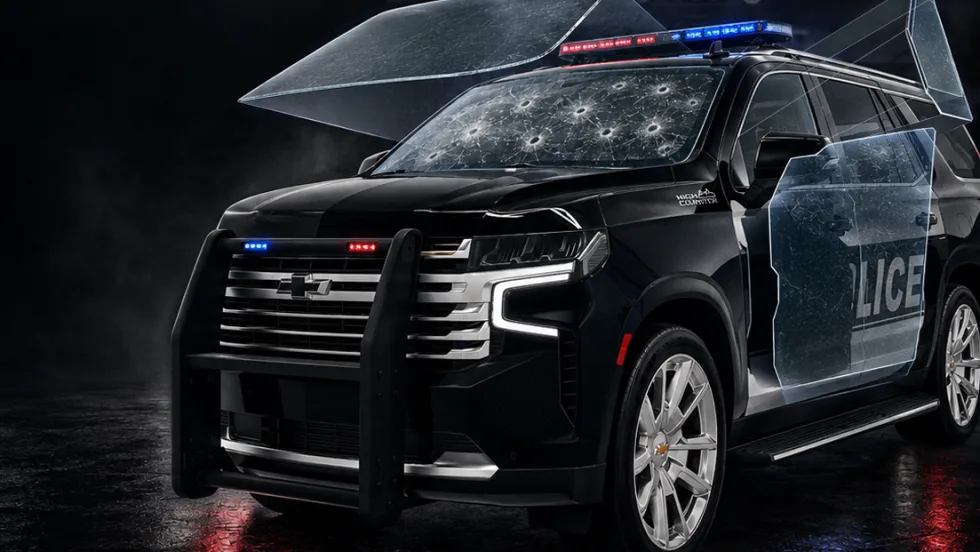
It’s an Ambush: How Ballistic Glass Redefines Patrol Vehicle Safety
Dana Safety Supply is setting a new standard for officer safety with windshields capable of withstanding multiple rounds and saving lives — and one Texas deputy is living proof.
Read More →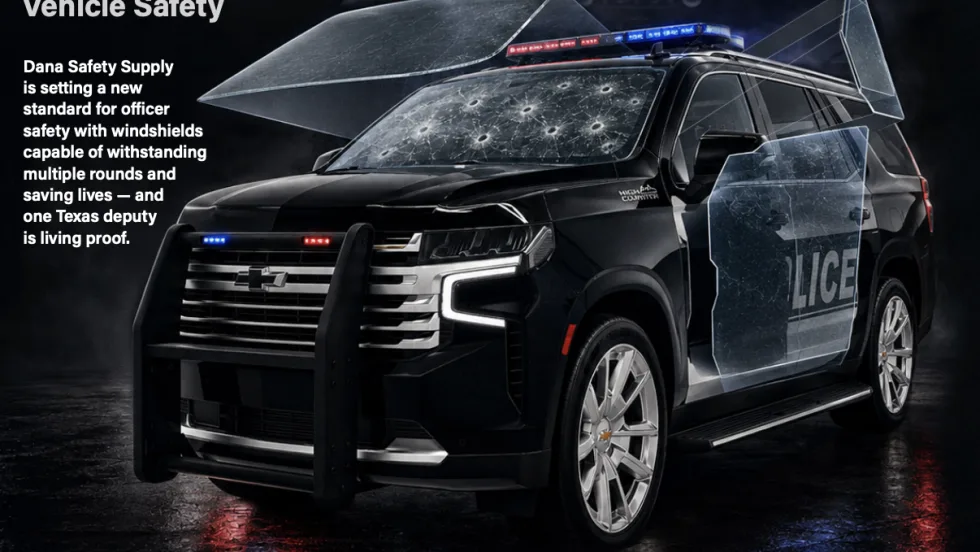
Dana Safety Supply’s BallisTech Vehicle Armoring Solutions
Dana Safety Supply is setting a new standard for officer safety with windshields capable of withstanding multiple rounds and saving lives.
Read More →
Ford Showcases 2028 Ford Expedition Police Responder
Ford showcased its 2028 Ford Expedition Police Responder, a full-size, pursuit-rated utility vehicle, at Police Fleet Expo this week. It comes standard with 4x4 and a 3.5-liter EcoBoost V6 producing 400 horsepower and 480 lb.-ft. of torque.
Read More →
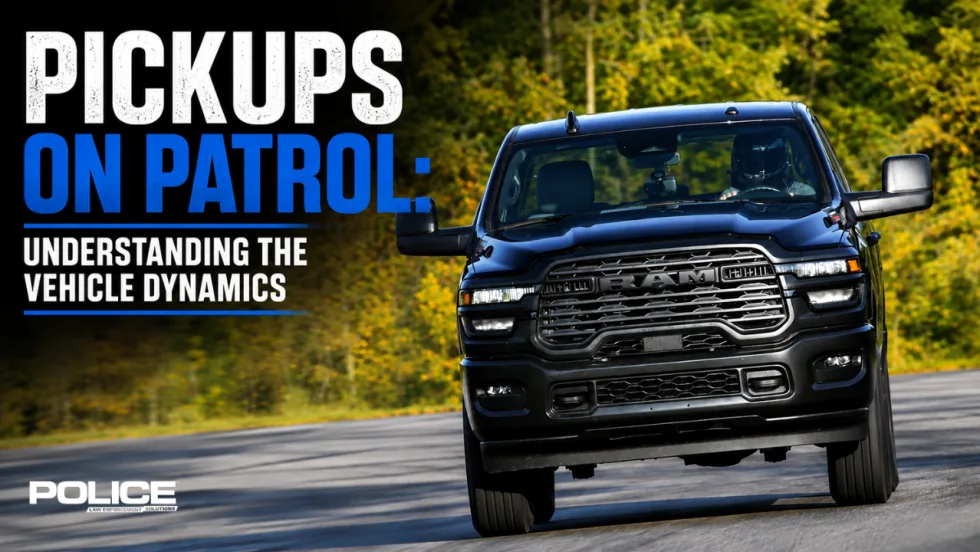
Pickups on Patrol: Understanding the Vehicle Dynamics
Pickup trucks are not new to patrol duties, but with the debut of the 2027 Ram 2500 Emergency Response Vehicle, they are getting larger and heavier. POLICE reached out to the Michigan State Police Precision Driving Unit to learn more about pickup truck handling, vehicle dynamics, and what officers need to know.
Read More →
RoadFlex Brings Fuel Tax Compliance & Audit-Ready Reporting to Government Fleets
RoadFlex now offers its capabilities to help public-sector fleets streamline fuel tax exemptions, reclamation, reconciliation, and audit-ready reporting.
Read More →
Rynse Awarded Cooperative Purchasing Contract, Expanding Nationwide Fleet Wash Access for Law Enforcement
Rynse has secured a 2026-2027 NCSA contract, giving law enforcement agencies nationwide fast-track access to its fleet wash network and management platform, which streamlines procurement, reduces administrative burdens, and helps fleets stay road-ready with greater oversight.
Read More →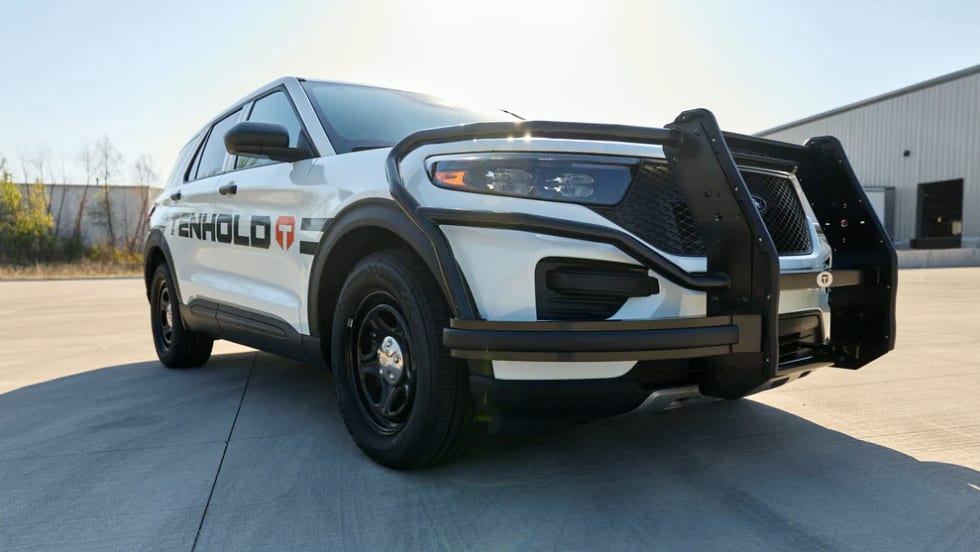
Tenhold Introduces Suppressor Gun Rack System
Tenhold, formerly Jotto Desk, provides next-generation vehicle systems for law enforcement and public safety and recently debuted its Suppressor Lock Head for its Weapon Mounting system.
Read More →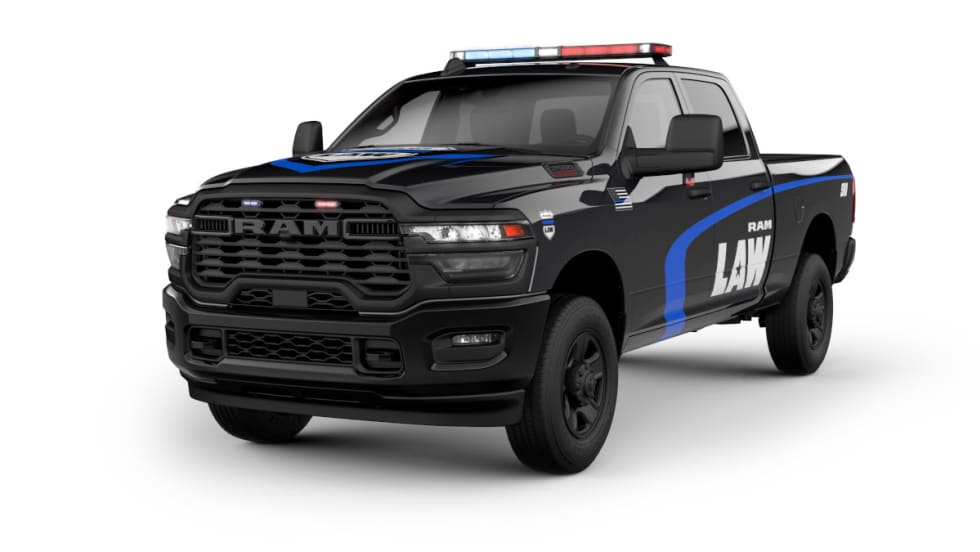
Ram Debuts Pursuit-Capable 2500 Emergency Response Vehicle
The 2027 Ram 2500 Emergency Response Vehicle is the first and only ¾-ton truck to complete the Michigan State Police vehicle trials, and Ram said it delivered outstanding performance in testing scenarios designed to replicate extreme real-world duty.
Read More →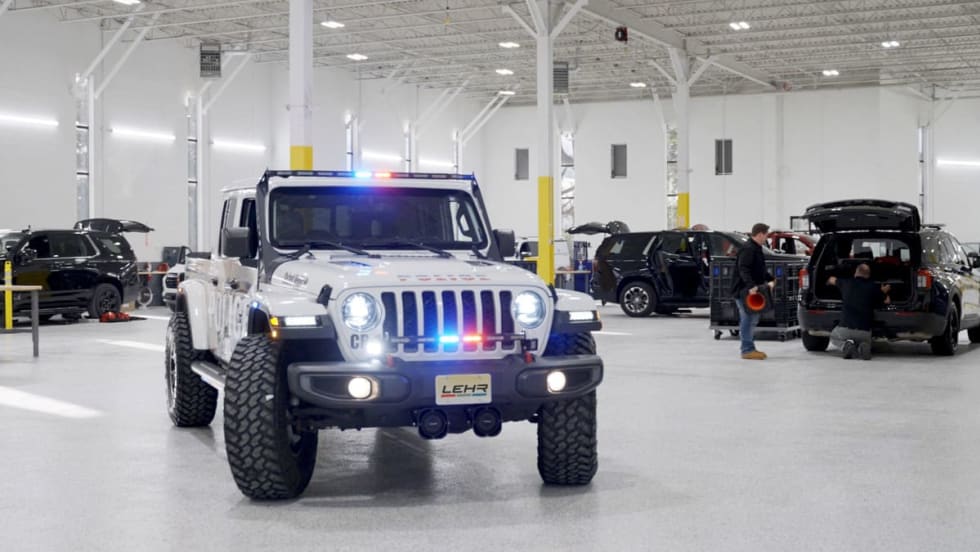
Emergency Vehicle Upfitter LEHR Opens New Facility in New Jersey
LEHR’s new centralized upfitting facility in New Jersey consolidates operations to deliver faster turnaround times and enhanced fleet capacity for law enforcement agencies across the Northeast.
Read More →
North Carolina Sheriff’s Office Improves Fueling Reliability & Operational Control
The Madison County Sheriff’s Office overcame fuel management and accounting challenges by turning to RoadFlex to improve fueling reliability, visibility, and administrative control.
Read More →