



3 Die In Alaska Trooper Helicopter Crash
An Alaska State Trooper helicopter carrying a trooper, pilot, and snowmobile rider on a search and rescue mission went down about 100 miles north of Anchorage on Saturday evening.


Trooper Tage Toll (left) and Pilot Mel Nading were killed in the Helo 1 crash. Photos courtesy of Alaska Governor's Office and Alaska State Troopers.
An Alaska State Trooper helicopter carrying a trooper, pilot, and snowmobile rider on a search and rescue mission went down about 100 miles north of Anchorage on Saturday evening.
The three occupants of the craft—including Pilot Mel Nading, Trooper Tage Toll, and Carl Ober—were killed in the crash, the agency announced Monday.
Nading responded with Helo 1 and picked up Trooper Toll at the Talkeetna post. Helo 1 then headed to Larson Lake about 10 miles east of Talkeetna to locate the 56-year-old Ober, who had flipped the snowmobile, injuring his ribs.
The helicopter picked up Ober shortly after 10 p.m. Saturday and was scheduled to transport Ober to medics in Talkeetna for treatment. When Helo 1 didn't show up, two Alaska Wildlife Troopers responded to the area.
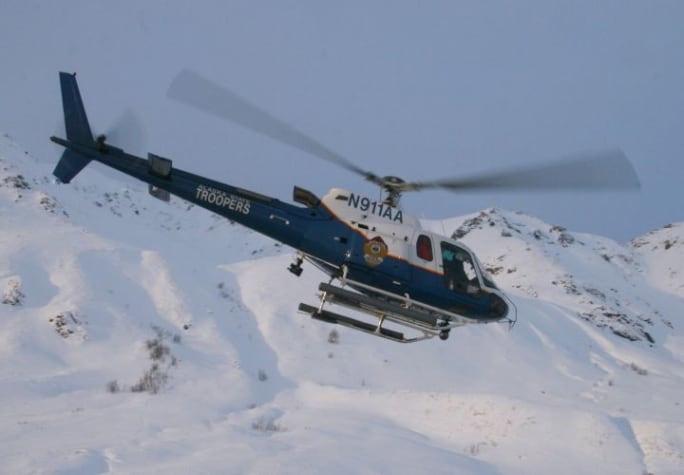
Helo 1 flies in Hacher Pass in 2007. Photo courtesy of Alaska State Troopers.
Rescue aircraft located the wreckage of Helo 1 on Sunday near the south end of Larson Lake. Two Para jumpers were lowered to the scene along with two wildlife troopers. There were no survivors.
"Everyday our people are put in harm's way and face it head on without a second thought that today they may not come home," said Megan Peters, Alaska State Troopers' spokeswoman, in a statement. "They are brave and service-minded individuals and Alaska is much safer because of them."
The National Weather Service said the temperature in Talkeetna Sunday night was 34 with light rain that turned into snow at about 11 p.m., but that visibility was 10 miles, reports the Associated Press. The cause of the crash in now under investigation by the National Transportation Safety Board.
More Vehicle Ops
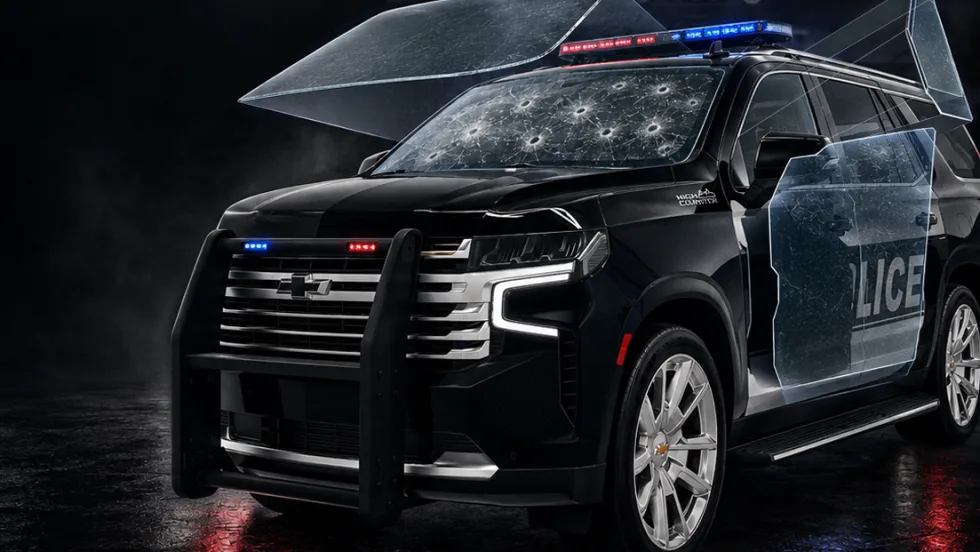
It’s an Ambush: How Ballistic Glass Redefines Patrol Vehicle Safety
Dana Safety Supply is setting a new standard for officer safety with windshields capable of withstanding multiple rounds and saving lives — and one Texas deputy is living proof.
Read More →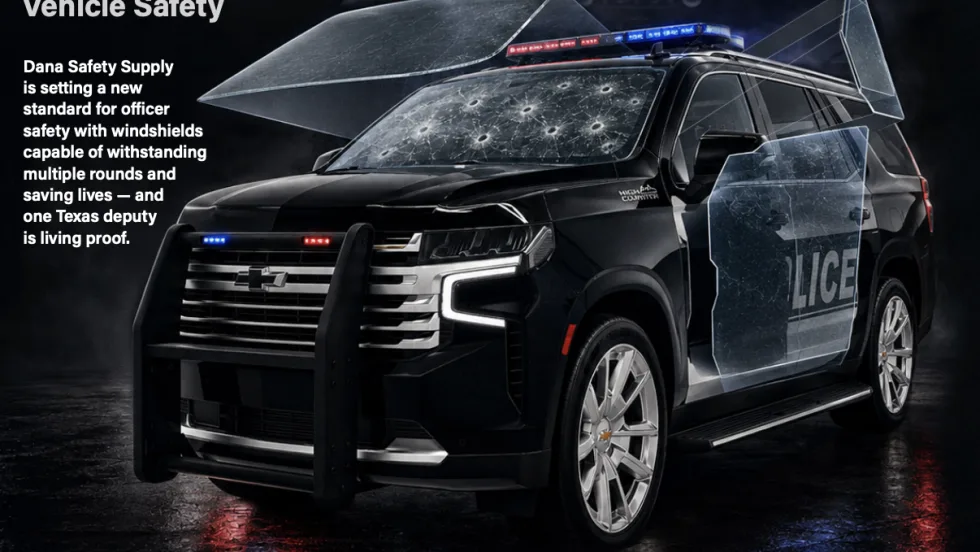
Dana Safety Supply’s BallisTech Vehicle Armoring Solutions
Dana Safety Supply is setting a new standard for officer safety with windshields capable of withstanding multiple rounds and saving lives.
Read More →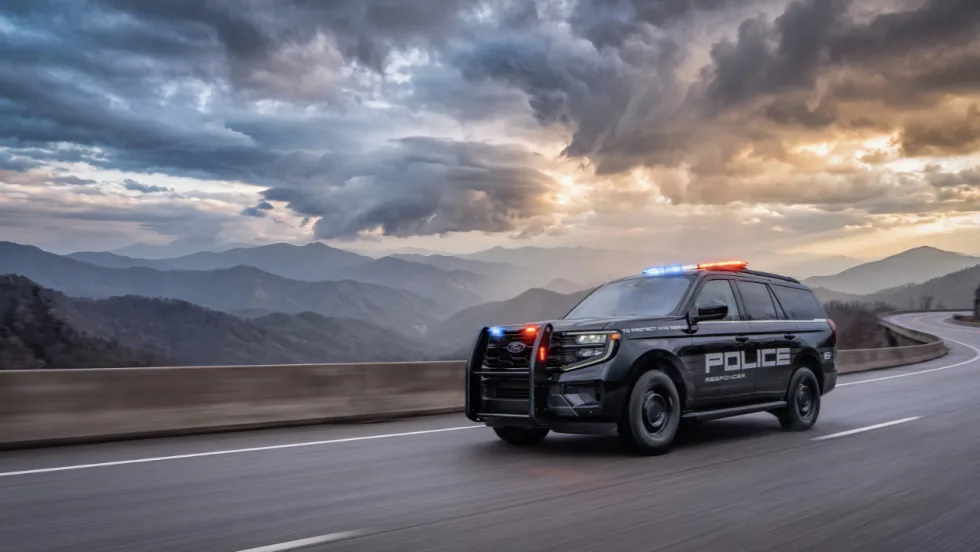
Ford Showcases 2028 Ford Expedition Police Responder
Ford showcased its 2028 Ford Expedition Police Responder, a full-size, pursuit-rated utility vehicle, at Police Fleet Expo this week. It comes standard with 4x4 and a 3.5-liter EcoBoost V6 producing 400 horsepower and 480 lb.-ft. of torque.
Read More →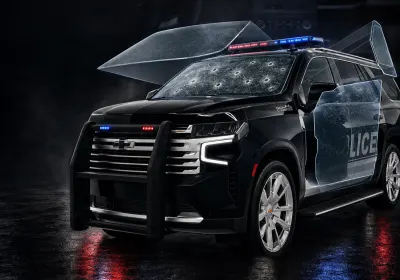
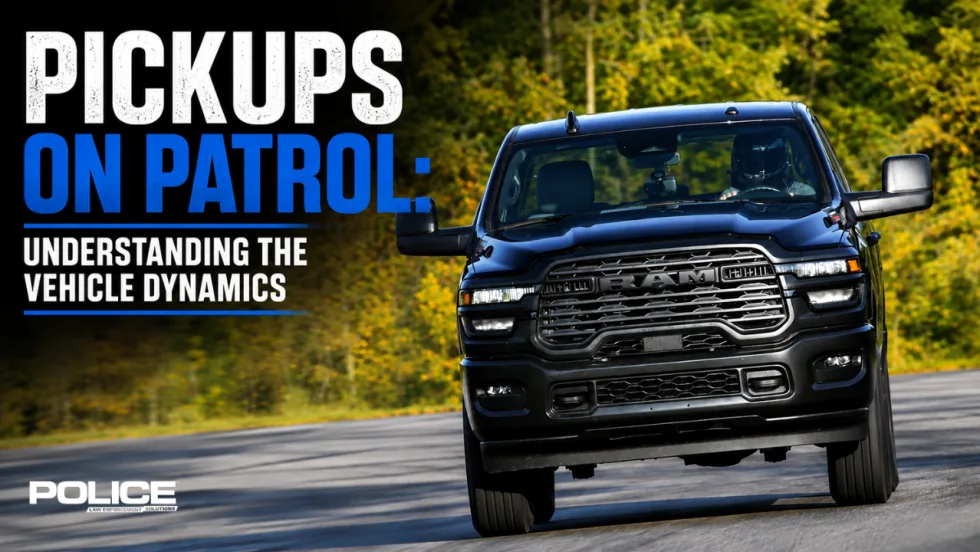
Pickups on Patrol: Understanding the Vehicle Dynamics
Pickup trucks are not new to patrol duties, but with the debut of the 2027 Ram 2500 Emergency Response Vehicle, they are getting larger and heavier. POLICE reached out to the Michigan State Police Precision Driving Unit to learn more about pickup truck handling, vehicle dynamics, and what officers need to know.
Read More →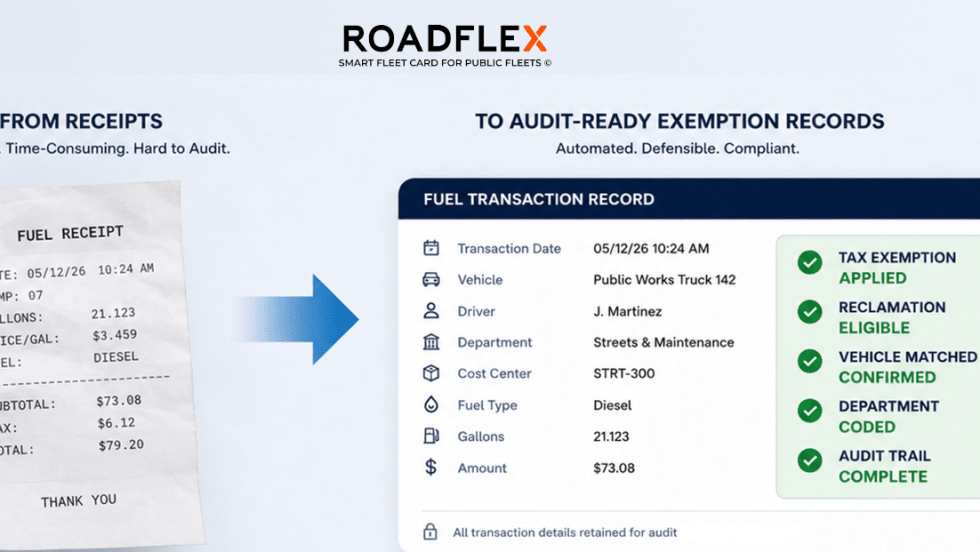
RoadFlex Brings Fuel Tax Compliance & Audit-Ready Reporting to Government Fleets
RoadFlex now offers its capabilities to help public-sector fleets streamline fuel tax exemptions, reclamation, reconciliation, and audit-ready reporting.
Read More →
Rynse Awarded Cooperative Purchasing Contract, Expanding Nationwide Fleet Wash Access for Law Enforcement
Rynse has secured a 2026-2027 NCSA contract, giving law enforcement agencies nationwide fast-track access to its fleet wash network and management platform, which streamlines procurement, reduces administrative burdens, and helps fleets stay road-ready with greater oversight.
Read More →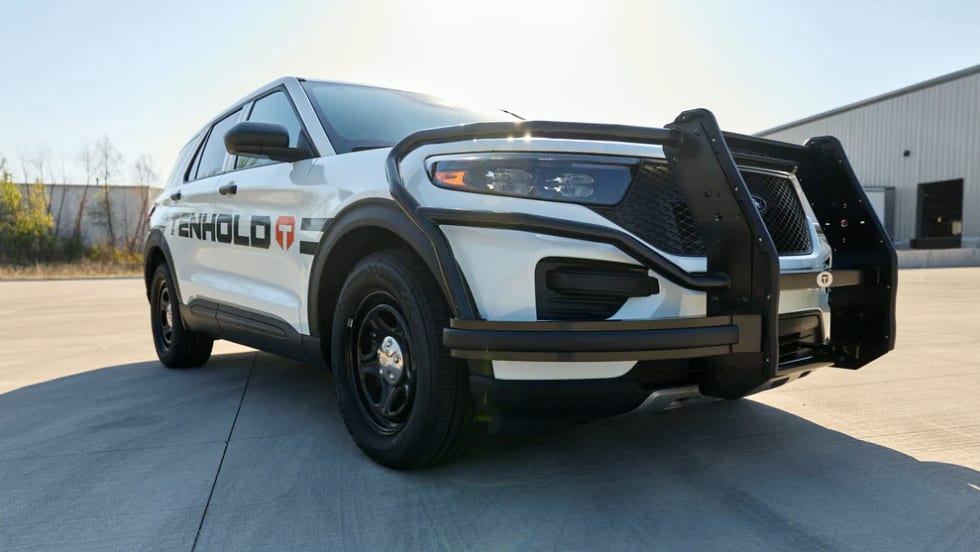
Tenhold Introduces Suppressor Gun Rack System
Tenhold, formerly Jotto Desk, provides next-generation vehicle systems for law enforcement and public safety and recently debuted its Suppressor Lock Head for its Weapon Mounting system.
Read More →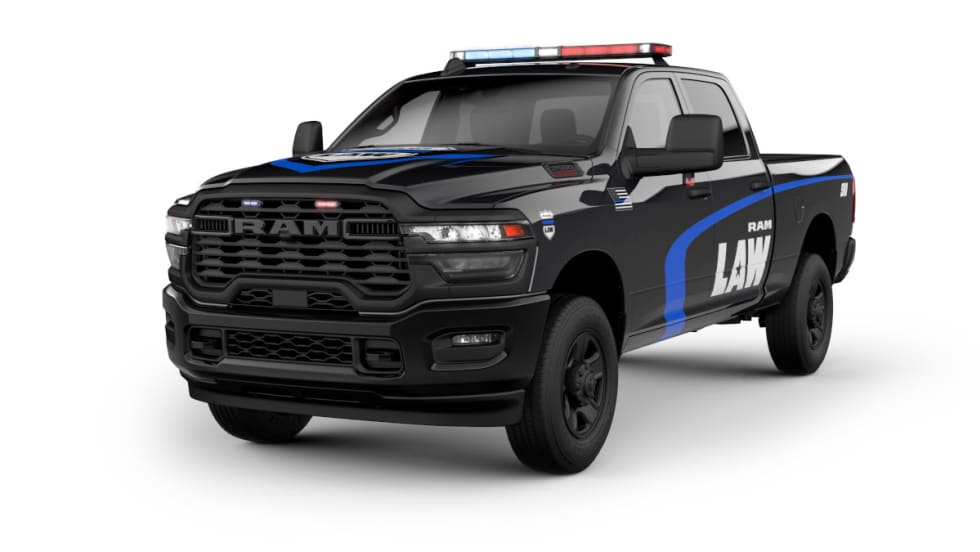
Ram Debuts Pursuit-Capable 2500 Emergency Response Vehicle
The 2027 Ram 2500 Emergency Response Vehicle is the first and only ¾-ton truck to complete the Michigan State Police vehicle trials, and Ram said it delivered outstanding performance in testing scenarios designed to replicate extreme real-world duty.
Read More →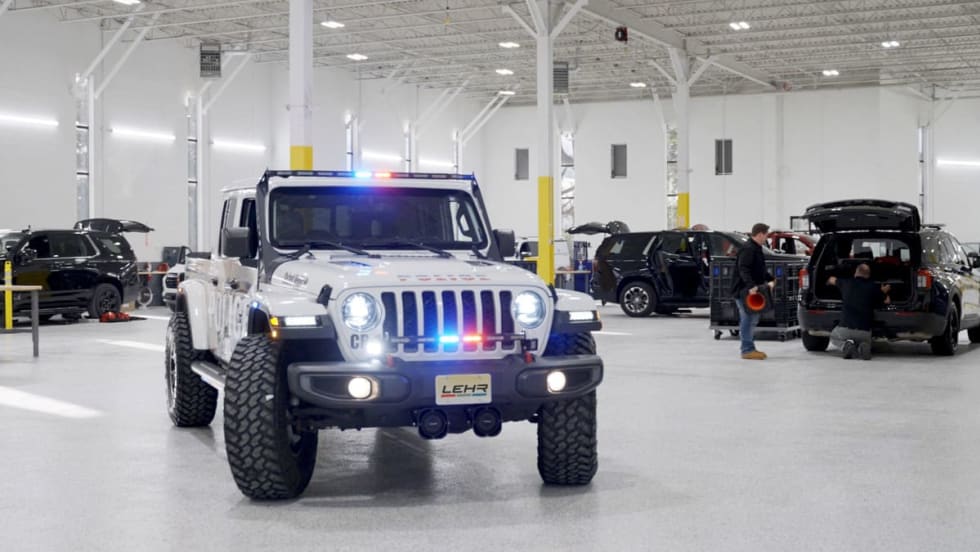
Emergency Vehicle Upfitter LEHR Opens New Facility in New Jersey
LEHR’s new centralized upfitting facility in New Jersey consolidates operations to deliver faster turnaround times and enhanced fleet capacity for law enforcement agencies across the Northeast.
Read More →
North Carolina Sheriff’s Office Improves Fueling Reliability & Operational Control
The Madison County Sheriff’s Office overcame fuel management and accounting challenges by turning to RoadFlex to improve fueling reliability, visibility, and administrative control.
Read More →