



Help Wanted
It has been largely left to the individual officer to somehow come to terms with his career decisions and its eventualities. To recognize its impact on him or her and find some manner to come to terms with it—or not.

In our line of work, a standard greeting is, "Hands up!" Our parlance is populated with phrases like "accidental discharge" and "friendly fire," and famous last words include "ready on the right, ready on the left, all ready on the firing line."
Law enforcement practitioners can be found staking out the local Halfway House of Pancakes and pulling over cars whose drivers are less enamored of striking up a conversation with us than we are with them.
To be sure, it's a fun job.
But it's also a dangerous one, one that's getting a little bit more so all the time. And one way that the job is becoming more dangerous is the psychological toll it can exact on an individual.
Trauma
As I write these words, I am thinking of the latest in a string of familial mass murders and suicides. In recent years, such slaughters of entire families have added a new word to our lexicon: "familicide."
For regardless of where or when they happen, it is the patrol officer who most often has to respond to the bloody aftermath. The horrors they are left to deal with can shake one's faith.
This job is certainly one of the most rewarding that a person can have.
But when Christopher Wood killed his kids and nearly decapitated them, it was a Maryland patrol cop who had to contain the crime scene. When William Parente bludgeoned and smothered his wife and daughters, it was a Baltimore officer that rolled.
To assume that such horrors don't leave their mark is ridiculous. How can any compassionate human being not be affected?
Yet little about these effects is overtly discussed within law enforcement circles. Certainly, no training I've ever attended concerned itself with developing coping skills for such tragedies.
And so it has been largely left to the individual officer to somehow come to terms with his career decisions and its eventualities. To recognize its impact on him or her and find some manner to come to terms with it—or not.
Reactions
Some up and quit and get the hell out, figuring that they're smart enough to know when they've had enough. Moreover, they arrive at the conclusion early in the game, before they've invested so much time and energy that they feel committed to this singular course of action.
But others gut it out. Among them are the walking wounded, denying the pain, even as they attempt to compensate for it elsewhere.
Some become overly aggressive, determined to shield themselves from whatever affected them emotionally in the first place.
Others take to drink, becoming clichés—the self-medicating alcoholic cop.
Others sublimate elsewhere, such as Karl Hettinger, who in the wake of the death of his partner, Ian Campbell, took to shoplifting in a bid to get caught and be punished.
I know of several deputies who had the misfortune of being involved in such incidents. One, with an otherwise impeccable record, soon got himself in trouble in the months following his unsuccessful efforts to resuscitate two children whose bodies he had to cut down after their grandmother hung them by their necks in a closet. As the problems that resulted in his termination were wholly inconsistent with what I'd seen of him during the preceding years, I always wondered if there wasn't a little bit of the Karl Hettinger syndrome at work there.
Another officer had valiantly, but vainly, attempted to rescue some children who were trapped in the rear of a burning station wagon. Whereas he'd previously been disposed of an easy going smile and good nature, he became taciturn and embittered.
Whether or not the events each officer experienced were the direct catalysts for their personality changes, I wouldn't say.
Nor would I hesitate to say that such episodes left clear and profound marks on the men who experienced them. I believe at times we can be remarkably accurate in plotting the downward trajectory of our peers given the tragic events they've been subjected to.
Help
Terry Yeakey, an Oklahoma City police sergeant who rescued four bombing victims in 1995, committed suicide the following year. Yeakey, 30, had complained of nightmares and was gripped by thoughts of dead children.
If you find yourself in the midst of emotional turmoil, it is important to have a support network. Don't hesitate to ask for help.
After one of their own killed his wife, the Holland (Mich.) Police Department implemented a variety of intervention protocols designed to help employees who may be going through particularly stressful episodes. Any city employee can call a confidential phone number for two free counseling sessions. Three Holland police officers—the peer support team—are trained to help their fellow police deal with the psychological impact of trauma. Additional support is available through the West Michigan Critical Incident Stress Management Team, which helps with more difficult situations.
Holland's program is just one of a variety of employee support services available through law enforcement agencies nationwide. Some officers may be wary of psychological support services provided through their agencies, but they need not be. As an alternative, many medical insurance companies provide discreet and confidential psychological counseling without requiring a referral from your primary physician.
But while it's a given that police work can be some of the most stressful imaginable, it isn't always a given that those being stressed will acknowledge as much. Many play it off with unimaginative dismissals that are no better than the "taint no thang" given by bangers.
It's well known that more cops are killed by their own hand than at the hands of others. And that's just counting those who are acknowledged suicides. It's been said that suicide is a permanent solution to a temporary problem. One that exacts too large a toll on all of us.
Be strong in the field. But don't be afraid to acknowledge your humanity, or your pain.
You'll be a stronger person—and a better cop—for it.
More Blog Posts
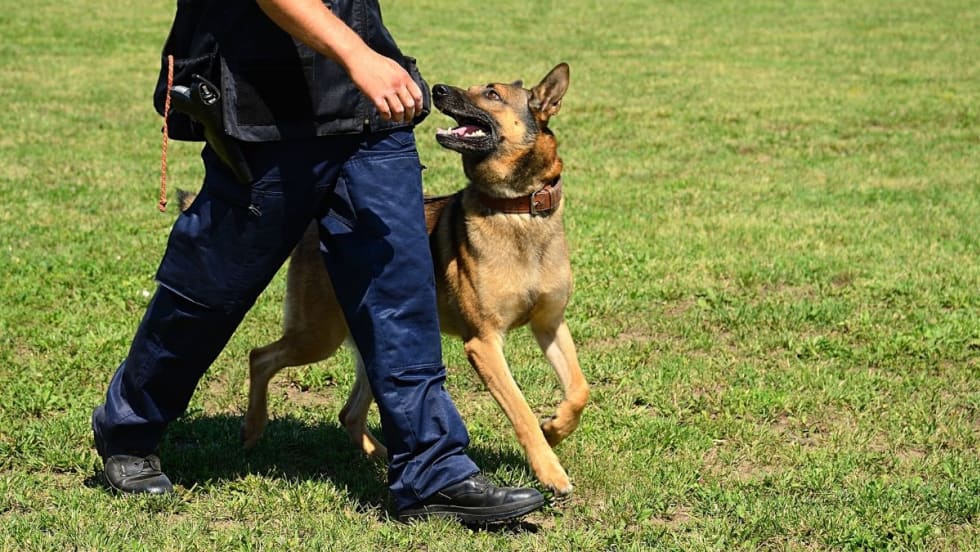
Preventing Heat Injury in Police K-9s
In the relentless heat of summer and even early fall in some parts of the country, officers face the important task of protecting their K-9 partners while working in sweltering temperatures. Recognizing changes in a dog’s behavior is the key.
Read More →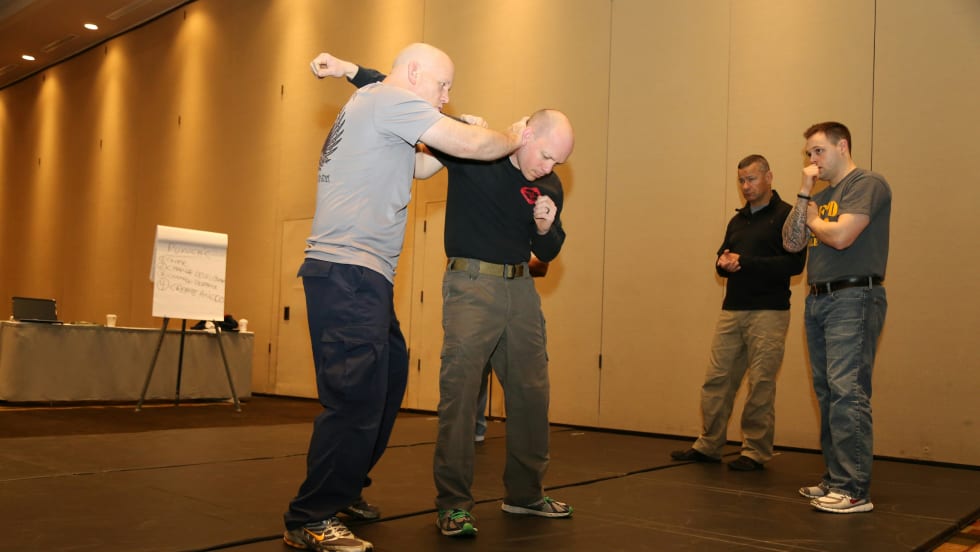
Why Your Agency Needs to Attend the ILEETA Conference
ILEETA is a complete resource for trainers to address trainers' needs. Its mission is to enhance the skills and safety of criminal justice practitioners while fostering stronger and safer communities.
Read More →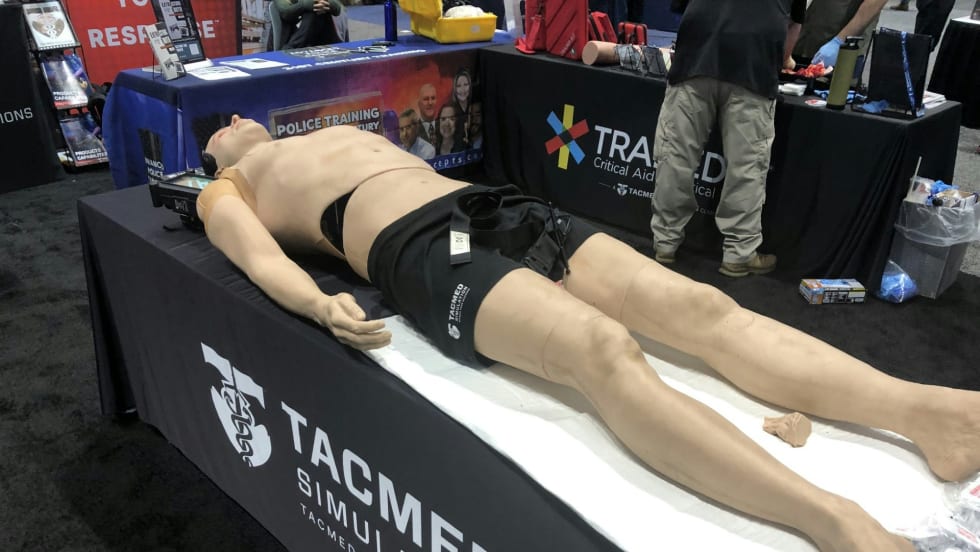
IACP 2023: New Training Products
Technologies for improving law enforcement training and training management were some of the highlights at this year's show.
Read More →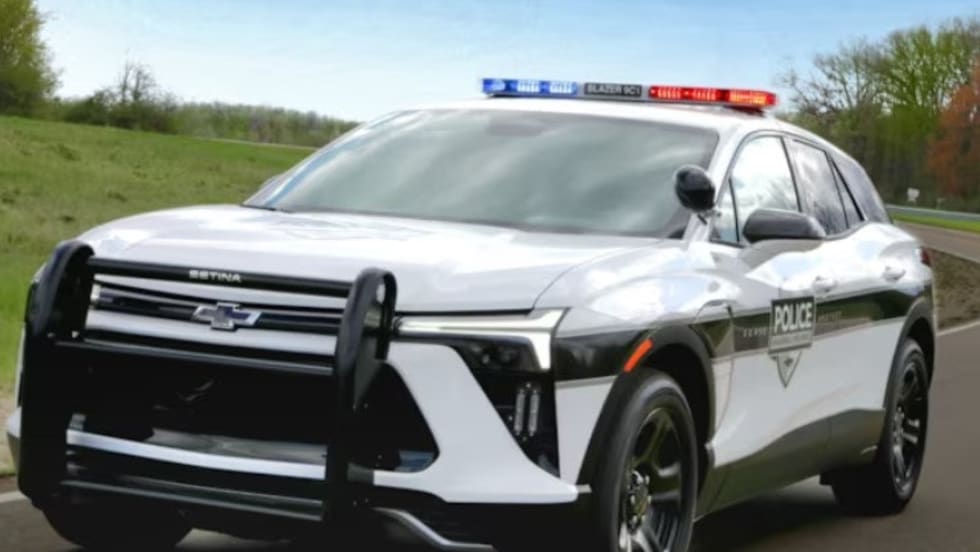
Initial Results Released from MSP 2024 Police Vehicle Testing
The 2024 pursuit-rated vehicles--all pickup trucks or SUVs, including two battery electric models the Chevrolet Blazer EV AWD and Ford Mustang Mach-E--were put through their paces.
Read More →
Officer Safety Considerations Related to Alternative-Fuel Vehicles
As more alternative-fuel and hybrid vehicles hit the road, police and other first responders need to understand that they are no more dangerous than conventional vehicles. However, there are certain safety considerations every cop should know.
Read More →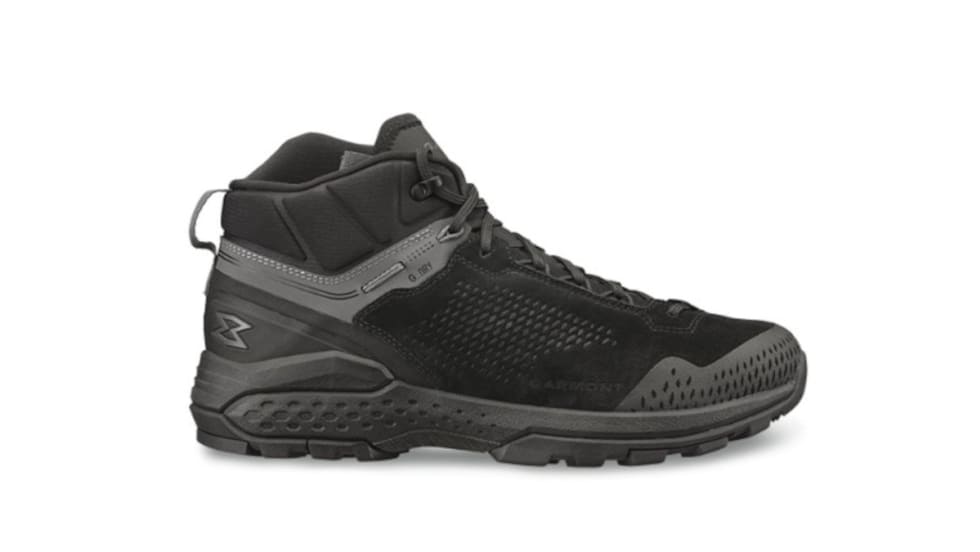
Garmont Working to Grow LE Market Presence
Garmont Tactical has found wide acceptance by military boot buyers, but now the company is trying to better respond to the needs of police officers. Many cops now are not fans of 8-inch boots, so Garmont is adapting.
Read More →
Publisher’s Note: Our Commitment to You
Through our magazine and website and our Police Technology eXchange event, we promise to provide you with information and access to resources to help you do your job safer and better.
Read More →
10 Tips for Responding to Mental Health Crisis Calls
The Harris County Sheriff's Office is a model for other agencies that want to learn about crisis intervention and mental health crisis response. Sgt. Jose Gomez shares the story of their programs and provides 10 tips for mental health crisis call response
Read More →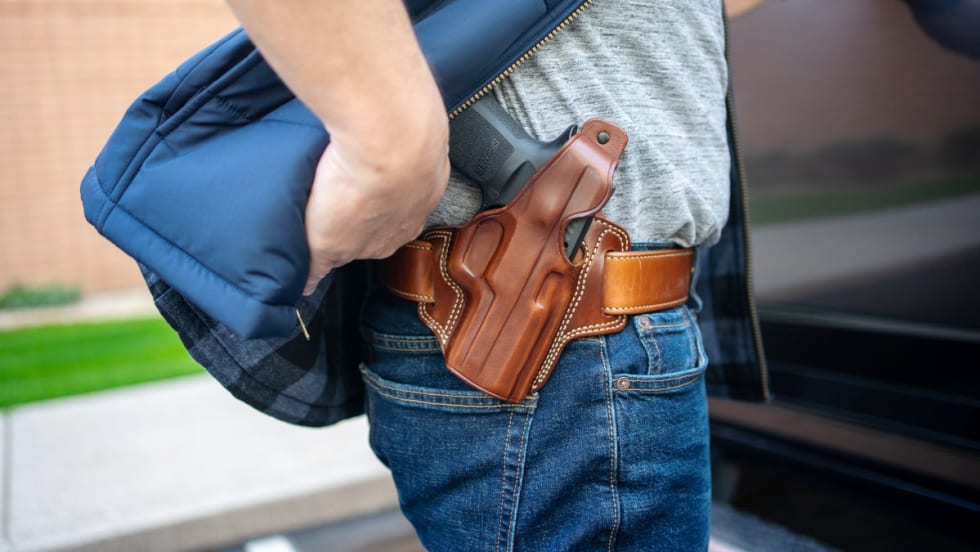
5 Things to Know When Buying Concealed-Carry or Off-Duty Holsters
Mike Barham, of Galco Holsters, shares five important considerations to keep in mind when you buy off-duty concealed or plain-clothes carry holsters.
Read More →
10 Tips for Reviewing Use-of-Force Reports
While the burden of accurately reporting use-of-force situations is on an individual deputy or officer, the person reviewing those reports shares in the responsibility of making sure the reporting is done properly, with clear details included.
Read More →