



Weathering Complaints
If you do your job you will get plenty of complaints and only rarely receive compliments; these are the realities of policework. But how you handle or survive these unpleasantries of life is what is important here.

If you do your job you will get plenty of complaints and only rarely receive compliments; these are the realities of policework. But how you handle or survive these unpleasantries of life is what is important here. There are a few pointers I can give you. Like them or not, these tips won't speed up the process, but they may help with your overall complaint survival.
Tell the Truth
One of life's lessons from childhood also holds true in investigations. If I ask you a question today and contact you again later with the same question, will I get the same truth? As I was taught as a young lad, "If you tell the truth the first time, then you never have to remember what you told."
In other words, don't get tripped up by a falsehood you forgot to cover. If you get nailed for lying on an official investigation, this will be the end of a career. If you know or feel that a complaint is coming from a call or contact, prepare now. If you wrote an accurate report with all of the facts, you should be solid. Have on hand all of the names, numbers, and other contact information for all possible witnesses, which includes officers.
Give your supervisor a head's up that something may be coming over the horizon. This prevents surprises and may give your supervisor an opportunity to do some damage control as well. Now, do not be a chicken little and scream "The sky is falling!" with every field contact. As you become seasoned you will get a feel for when and when not to be worried.
If you do have a good reason to expect a complaint over an incident, sit down and recall the entire event; then document all you observed, said, or did. It is not what you do that can get you into trouble, but whether you document why you did what you did.
There are two caveats to this statement. One is that if what you said was composed with improper or unprofessional language, there may be no excuse; accept what you get, for you said it. Remember, if you have the urge to tell someone off because it will make you feel good, then don't say it! Secondly, if you have acted in a professional manner and within all guidelines, any citizen abuse cannot be tolerated.
It's Business, Not Personal
Oftentimes, complaints are not centered around the officer but the circumstances. Somebody got arrested, got a ticket, or whatever. Despite all logic, the person wants to kill the messenger instead of dealing with the facts at hand: this person was criminally wrong. So, if such a person complains, it might just go away. Complaining without cause is an old trickery and still used frequently.
Do not become emotional and let this get you down. I have seen some younger officers go insane over their first complaint. If you did your job and followed your training and departmental guidelines, you should weather the storm. Don't let this ruin the rest of your personal life. Go out and continue with the routine. Get in your workouts and stay healthy. Don't get into some alcohol-fueled daze. Don't get in a rut, withdraw from your friends and colleagues, or become a troll. Your health and emotional support are paramount.
When it comes time to go to the commander or Internal Affairs, be professional. Follow the guidelines and know your rights as well. If I can only tell you this, be honest. I have seen some officers who were cleared or could have been cleared, but since they got caught up in a lie they reaped the penalties of giving false information or showing dishonesty during an official investigation. Don't set yourself up for this fall.
Like all the storms of life, a complaint will pass in time. The majority of the public and media will forget all about it and this too will pass. As my old sergeant told me, police complaints are like playing baseball. When it is all said and done, you will be sliding into home safe. The "powers that be" will attempt a pick-off play on some other poor guy trying to steal second base, and you will be called "safe." Just stay the course and be professional.
More Blog Posts
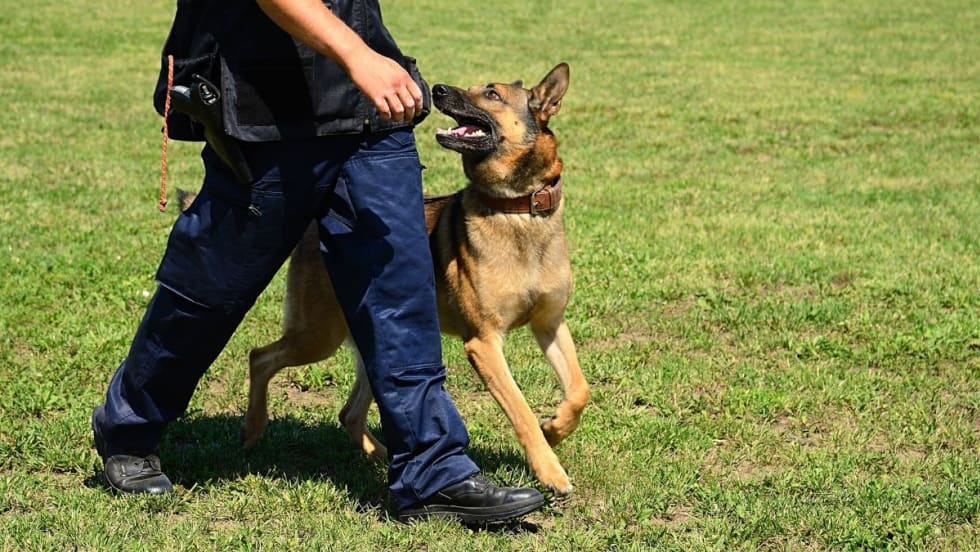
Preventing Heat Injury in Police K-9s
In the relentless heat of summer and even early fall in some parts of the country, officers face the important task of protecting their K-9 partners while working in sweltering temperatures. Recognizing changes in a dog’s behavior is the key.
Read More →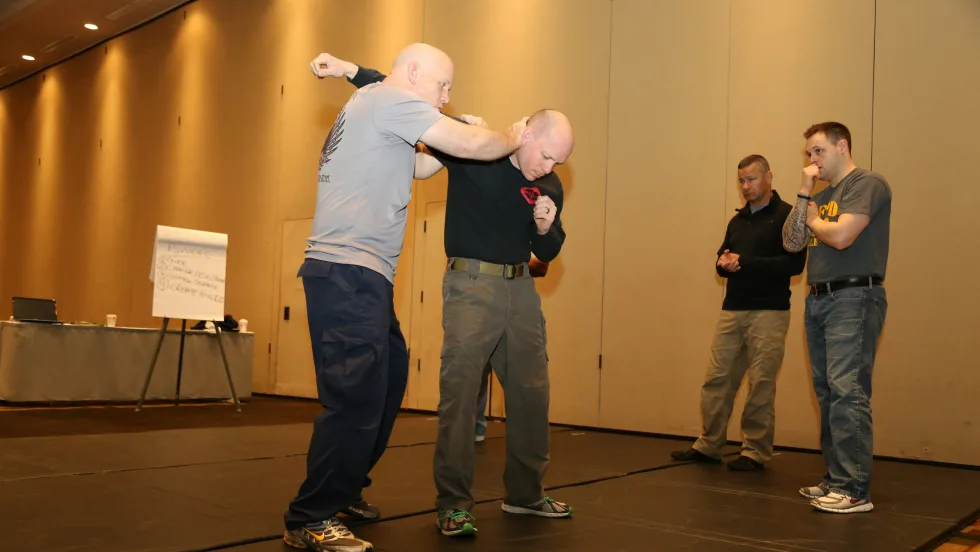
Why Your Agency Needs to Attend the ILEETA Conference
ILEETA is a complete resource for trainers to address trainers' needs. Its mission is to enhance the skills and safety of criminal justice practitioners while fostering stronger and safer communities.
Read More →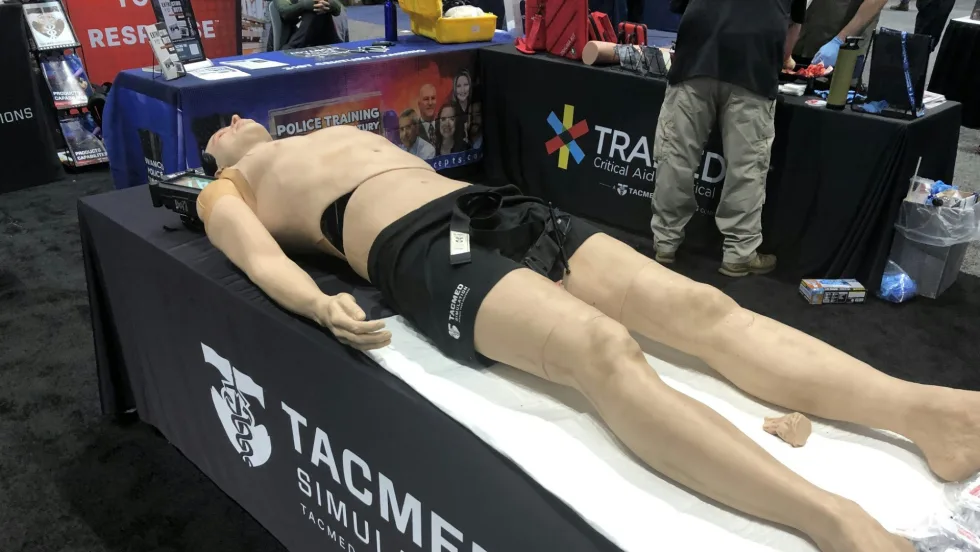
IACP 2023: New Training Products
Technologies for improving law enforcement training and training management were some of the highlights at this year's show.
Read More →
Initial Results Released from MSP 2024 Police Vehicle Testing
The 2024 pursuit-rated vehicles--all pickup trucks or SUVs, including two battery electric models the Chevrolet Blazer EV AWD and Ford Mustang Mach-E--were put through their paces.
Read More →
Officer Safety Considerations Related to Alternative-Fuel Vehicles
As more alternative-fuel and hybrid vehicles hit the road, police and other first responders need to understand that they are no more dangerous than conventional vehicles. However, there are certain safety considerations every cop should know.
Read More →
Garmont Working to Grow LE Market Presence
Garmont Tactical has found wide acceptance by military boot buyers, but now the company is trying to better respond to the needs of police officers. Many cops now are not fans of 8-inch boots, so Garmont is adapting.
Read More →
Publisher’s Note: Our Commitment to You
Through our magazine and website and our Police Technology eXchange event, we promise to provide you with information and access to resources to help you do your job safer and better.
Read More →
10 Tips for Responding to Mental Health Crisis Calls
The Harris County Sheriff's Office is a model for other agencies that want to learn about crisis intervention and mental health crisis response. Sgt. Jose Gomez shares the story of their programs and provides 10 tips for mental health crisis call response
Read More →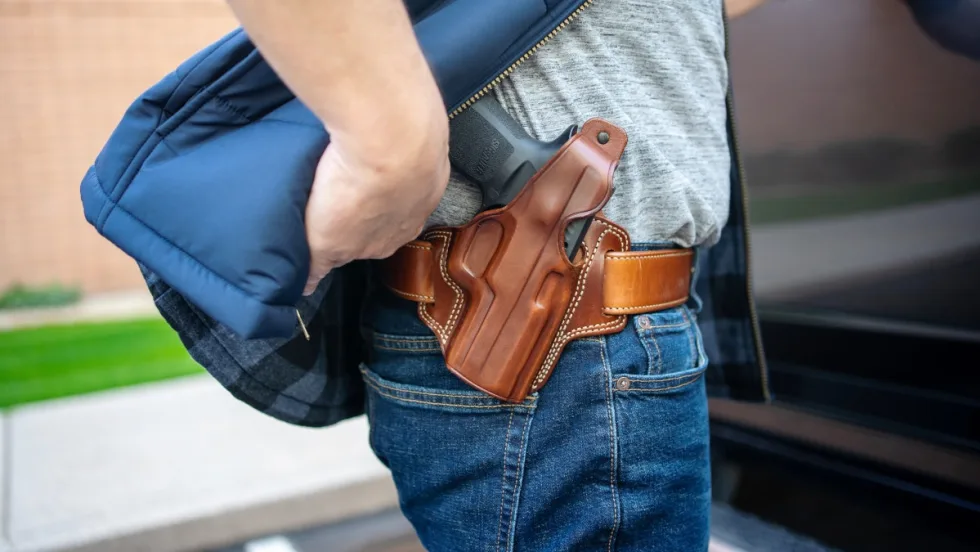
5 Things to Know When Buying Concealed-Carry or Off-Duty Holsters
Mike Barham, of Galco Holsters, shares five important considerations to keep in mind when you buy off-duty concealed or plain-clothes carry holsters.
Read More →
10 Tips for Reviewing Use-of-Force Reports
While the burden of accurately reporting use-of-force situations is on an individual deputy or officer, the person reviewing those reports shares in the responsibility of making sure the reporting is done properly, with clear details included.
Read More →