



Off-Duty Encounter Preparation
I don't know why, but every generation of young officers thinks, "I am now a copper! I have the legal authority and power to carry a weapon off-duty, so here I go!" Wait a minute here; do you have a plan?

I don't know why, but every generation of young officers thinks, "I am now a copper! I have the legal authority and power to carry a weapon off-duty, so here I go!" Wait a minute here; before you go off into this pistol packing world…do you have a plan? Do you really know what all of this could turn into? Let's explore this in a logical, sane, and legal manner.
Departmental Rules Please
The first question I usually get is, "I am a cop now, so what can I carry?" Then I always retort with the same answer: "Whatever your departmental rules and regulations allow you to carry." That took all the fun out, didn't it? Some agencies have regulations on make, size, caliber, carry fashion, having it registered, and familiarization. So, after you check into these items, most of the basic questions are answered by now.
What concerns me here now is the tactics part. I have known officers that have "the holster du jour" and a gun for every day of the week. This is wasteful and tactically unsound. My recommendation is to have a weapon you are thoroughly familiar with and a sound carry system. I do not want you at the moment of truth hesitating and trying to recall just what weapon and carry rig you have on today. Get a good one and stick to it for now. Basics count.
Now, what else can you think of that you should carry? How about your proper credentials? Your shield or star and updated identification card are a must! You are not Paladin from the old television series of 'Have gun will travel'. Should you ever get into a situation, having the proper credentials may save you from an embarrassing situation with the locals.
Other Accoutrements of Life
Going out on the town with the idealism of self-defense is one thing, but preparation is another. There are a few other accoutrements that I consider worthy of consideration.
Communication- Do you have a cellular phone or a police radio with you? If you observe something that needs more assistance, you need a way to reach help.
Temporary restraining devices- Just in case you interrupt a law breaker and he surrenders, how are you going to restrain him? Handcuffs are a necessary item here. Or consider carrying flex-cuffs. When I travel I recommend duct tape for the most festive moments.
Extra ammo- I do not know what kind of weapon you are carrying, but more ammo is always the last thing you think of packing yet a great help in the darkest of times.
Small high intensity flashlight- If there is only one extra thing you carry, this should be it. It can light the night, serve as a signaling device, or provide a visual distraction for an adversary. Besides, you can always use one.
Consider other forms of personal protection- A small canister of OC or even a personal TASER is a start if you are not in a firearm-friendly situation. A small can of OC in a fanny pack or backpack can be a less-lethal alternative.
Words of Advice
As most of my martial arts instructors teach, to fight is a wasteful thing. I don't advocate you arming up and seeking out a fight. You have a duty to protect yourself and others. Before you do all of these things, have a plan. And if your odds are not that good…be a professional witness.
Discuss with your spouse, partner, and family just what their roles are in a situation that is evolving. Planning prevents accidents and needless troubles. Verbalize all that you observe to them and tell them what their expectations are within their limits. Your loved ones are precious to you; do not jeopardize them for a two-bit criminal.
Train hard and train smart…it is your life out there.
More Blog Posts
Preventing Heat Injury in Police K-9s
In the relentless heat of summer and even early fall in some parts of the country, officers face the important task of protecting their K-9 partners while working in sweltering temperatures. Recognizing changes in a dog’s behavior is the key.
Read More →
Why Your Agency Needs to Attend the ILEETA Conference
ILEETA is a complete resource for trainers to address trainers' needs. Its mission is to enhance the skills and safety of criminal justice practitioners while fostering stronger and safer communities.
Read More →
IACP 2023: New Training Products
Technologies for improving law enforcement training and training management were some of the highlights at this year's show.
Read More →
Initial Results Released from MSP 2024 Police Vehicle Testing
The 2024 pursuit-rated vehicles--all pickup trucks or SUVs, including two battery electric models the Chevrolet Blazer EV AWD and Ford Mustang Mach-E--were put through their paces.
Read More →
Officer Safety Considerations Related to Alternative-Fuel Vehicles
As more alternative-fuel and hybrid vehicles hit the road, police and other first responders need to understand that they are no more dangerous than conventional vehicles. However, there are certain safety considerations every cop should know.
Read More →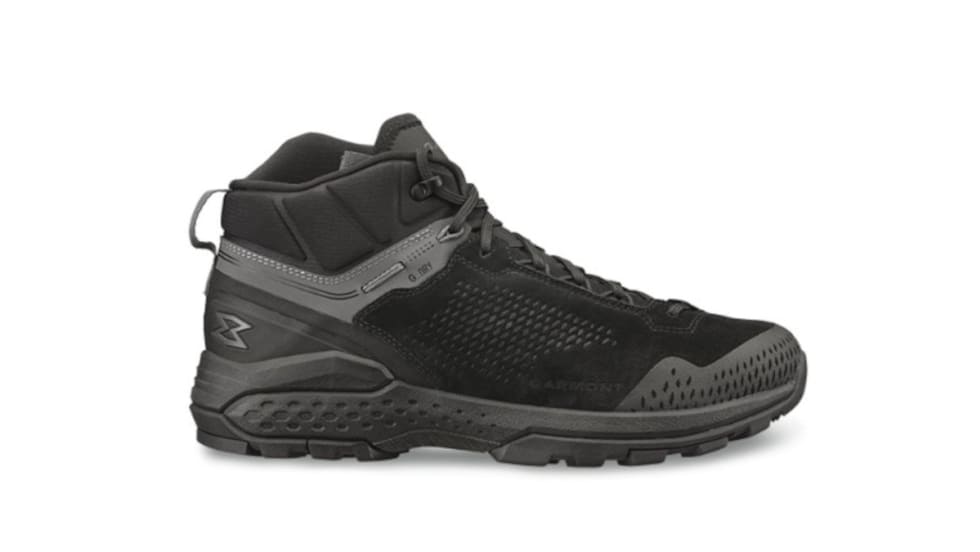
Garmont Working to Grow LE Market Presence
Garmont Tactical has found wide acceptance by military boot buyers, but now the company is trying to better respond to the needs of police officers. Many cops now are not fans of 8-inch boots, so Garmont is adapting.
Read More →
Publisher’s Note: Our Commitment to You
Through our magazine and website and our Police Technology eXchange event, we promise to provide you with information and access to resources to help you do your job safer and better.
Read More →
10 Tips for Responding to Mental Health Crisis Calls
The Harris County Sheriff's Office is a model for other agencies that want to learn about crisis intervention and mental health crisis response. Sgt. Jose Gomez shares the story of their programs and provides 10 tips for mental health crisis call response
Read More →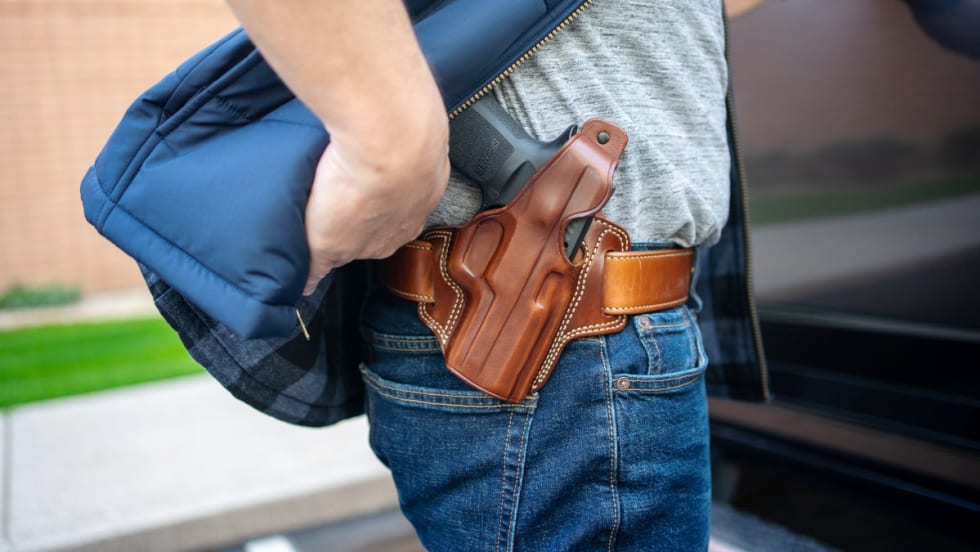
5 Things to Know When Buying Concealed-Carry or Off-Duty Holsters
Mike Barham, of Galco Holsters, shares five important considerations to keep in mind when you buy off-duty concealed or plain-clothes carry holsters.
Read More →
10 Tips for Reviewing Use-of-Force Reports
While the burden of accurately reporting use-of-force situations is on an individual deputy or officer, the person reviewing those reports shares in the responsibility of making sure the reporting is done properly, with clear details included.
Read More →