



The Second Generation Cop
When a new recruit is a cop's son or daughter, it can be a delicate if not downright difficult matter, the 800-pound gorilla in the room that nobody wants to face.

When a new recruit is a cop's son or daughter, it can be a delicate if not downright difficult matter, the 800-pound gorilla in the room that nobody wants to face. So what is the problem here, you ask? Often this is a nightmare and sometimes a bonus, but either way the situation requires some thought from all involved.
The Problem Child
I have trained, FTO'ed, and supervised countless cops' kids. I use the word "kids" here because there were many whom I watched grow up. There were a very few who felt they were entitled to a free pass and perceived themselves as veterans without experience. A perennial supervisor's problem child, for they already knew everything about the job - so they thought.
You know the type; they sat around the family table and listened to stories of yesteryear, past exploits, and policing the way it "used to be." Now, they felt it was their turn. And they were armed with all the knowledge they would need. But there's a problem here: the war stories they overheard could have been embellished during an afterhours chat (yes, cops do that). Laws, policies, and the American policing style have changed since then. We need to temper these legendary stories.
Avoid Shortcuts and Biases
FTOs and trainers can have a nightmare of a time here. I have seen far too many examples of the elder cop having taught or told his progeny of shortcuts for completing cases or tasks. The young officer needs to learn the correct way to do everything, not a condensed fashion.
There have been a few that were told of the weaknesses or traits of their bosses, judges, or DAs, and how to manipulate the system. Most often the elder is setting up the young officer for insubordination or ill feelings. As I told one officer whose parent passed along preconceived notions about a former coworker, certain issues prevailed between his dad and the supervisor in question. It would be best for the young officer to make his own measure of the person in question; it is all about being fair. Going over FTOs' heads and seeking preferential treatment has been noted as well.
Now, if the elder cop wishes to pass on sage advice that does not distract from the learning and acclamation process, fine. I would expect the family to step up and assist in the learning curve, but not impede nor circumvent it.
Can the BS, Parents
The best solution for the young officer is to flush a lot of these stories of bravado and keep them separate as holiday stories and family memories. We as parents sometimes embellish to our young about our past exploits. This is similar to a child asking, "What did you do in the war, Daddy?"
If you had an easy, non-action job you could not be a hero in your child's eyes. So you made up something cool! Now your children are living vicariously through your past life, real or not.
Face it, if your advice is not advancing their learning or career, do your legacy a favor and keep the bravo sierra to yourself.
Leave Heirlooms at Home
I would have adored the idea of carrying on a family tradition but that was not my life. There are many I know that do with pride and cherish the family tradition.
One officer came to duty with his family's heirloom nightstick. However, he was trained on and expected to use his department-issued collapsible baton, not a straight walnut stick. I even recall one officer who was carrying his dad's slapjack; they too went away years and policies ago.
If you have a treasured implement, put it in a frame in the family den. Otherwise you're getting yourself into a liability issue.
Life's Little Surprises
I would be remiss to exclude those former and current officers of mine that are legacy cops and nobody would ever suspect it. They conduct their business without clouding up the matter of who their family was or who is kin to them within the organization. They are their own man/woman and stand on their own two feet. They wanted to make it on their own and have done so with pride.
I recall a few that you had to pry it out of them who they were because they didn't want anything but a fair shake.
There is nothing wrong with helping family. Pinning on your shield, sharing at your promotions, and watching you grow as a cop can be great moments with those you love. Uplifting you in the hard times, those moments when the job can crush you is when they should be lending a helping hand.
When telling a war story, make sure it has a relevant teaching point.
More Blog Posts
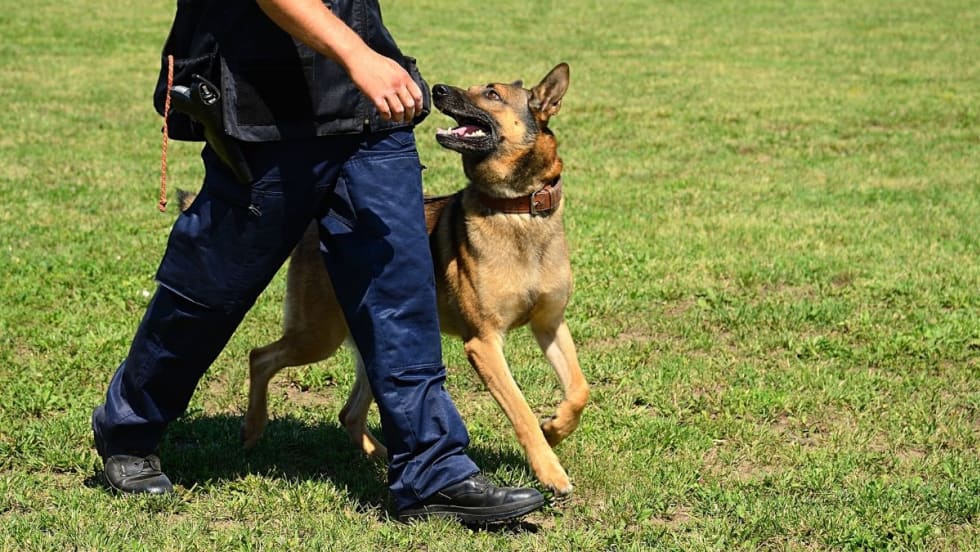
Preventing Heat Injury in Police K-9s
In the relentless heat of summer and even early fall in some parts of the country, officers face the important task of protecting their K-9 partners while working in sweltering temperatures. Recognizing changes in a dog’s behavior is the key.
Read More →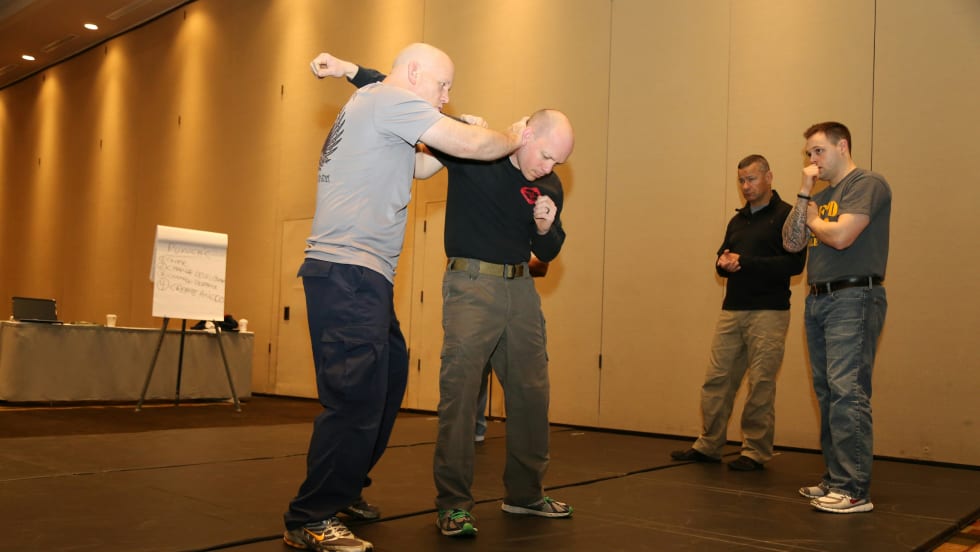
Why Your Agency Needs to Attend the ILEETA Conference
ILEETA is a complete resource for trainers to address trainers' needs. Its mission is to enhance the skills and safety of criminal justice practitioners while fostering stronger and safer communities.
Read More →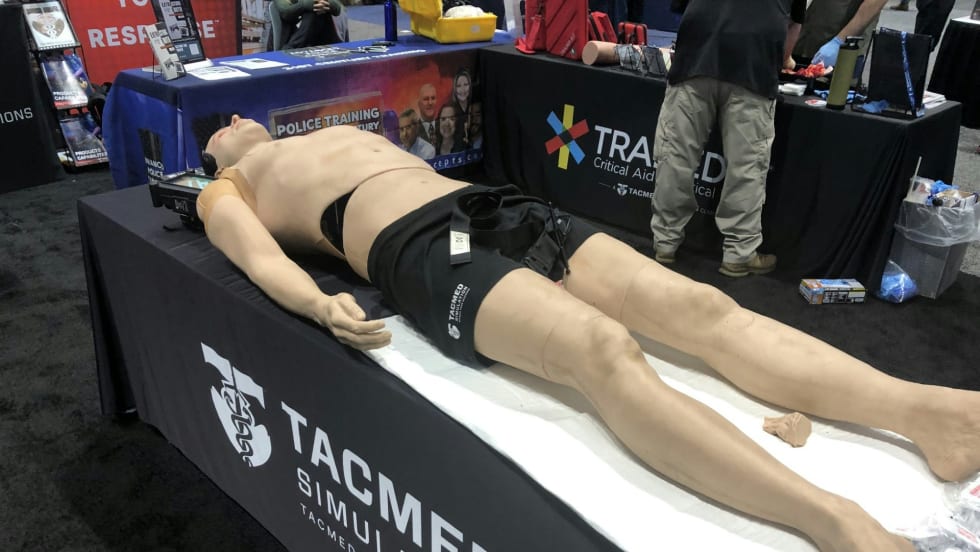
IACP 2023: New Training Products
Technologies for improving law enforcement training and training management were some of the highlights at this year's show.
Read More →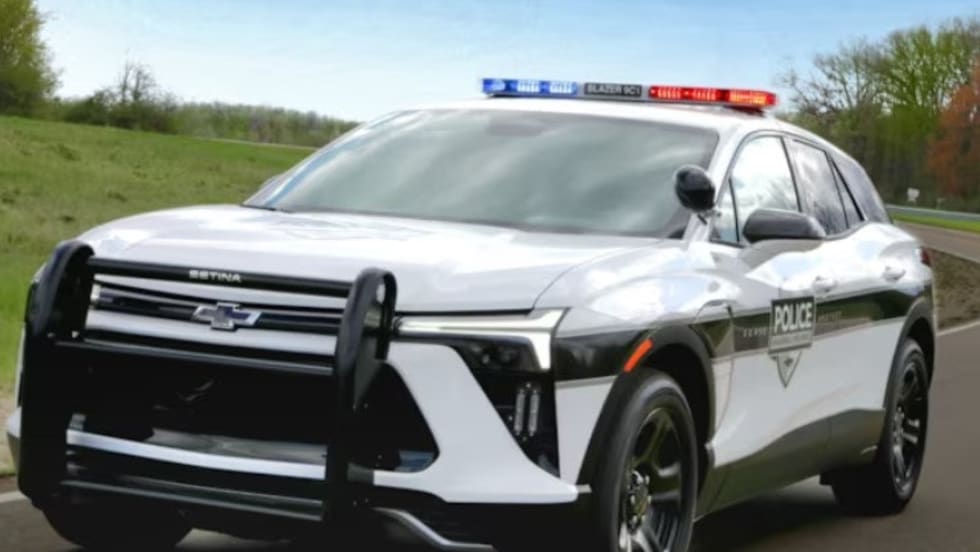
Initial Results Released from MSP 2024 Police Vehicle Testing
The 2024 pursuit-rated vehicles--all pickup trucks or SUVs, including two battery electric models the Chevrolet Blazer EV AWD and Ford Mustang Mach-E--were put through their paces.
Read More →
Officer Safety Considerations Related to Alternative-Fuel Vehicles
As more alternative-fuel and hybrid vehicles hit the road, police and other first responders need to understand that they are no more dangerous than conventional vehicles. However, there are certain safety considerations every cop should know.
Read More →
Garmont Working to Grow LE Market Presence
Garmont Tactical has found wide acceptance by military boot buyers, but now the company is trying to better respond to the needs of police officers. Many cops now are not fans of 8-inch boots, so Garmont is adapting.
Read More →
Publisher’s Note: Our Commitment to You
Through our magazine and website and our Police Technology eXchange event, we promise to provide you with information and access to resources to help you do your job safer and better.
Read More →
10 Tips for Responding to Mental Health Crisis Calls
The Harris County Sheriff's Office is a model for other agencies that want to learn about crisis intervention and mental health crisis response. Sgt. Jose Gomez shares the story of their programs and provides 10 tips for mental health crisis call response
Read More →
5 Things to Know When Buying Concealed-Carry or Off-Duty Holsters
Mike Barham, of Galco Holsters, shares five important considerations to keep in mind when you buy off-duty concealed or plain-clothes carry holsters.
Read More →
10 Tips for Reviewing Use-of-Force Reports
While the burden of accurately reporting use-of-force situations is on an individual deputy or officer, the person reviewing those reports shares in the responsibility of making sure the reporting is done properly, with clear details included.
Read More →