



Active Shooter at Nursing Home: The Answer
With this SWAT blog, we're answering a question proposed in the earlier blog, "Active Shooter at Nursing Home: Engage or Wait for Backup?" You told us how you would handle the active-shooter scenario proposed. Now, we'll give you the actual outcome from the incident.

With this SWAT blog, we're answering a question proposed in the May 25 blog, "Active Shooter at Nursing Home: Engage or Wait for Backup?" You told us how you would handle the active-shooter scenario proposed.
Now, we'll give you the actual outcome from the incident. Here's the answer:
Seung-Hui Cho, the killer at Virginia Tech, averaged shooting a victim about every 10 seconds during his rampage. And there was no delay by first responders at Norris Hall. Some of the damage will already be done. Nothing we can do about that. In our damage control mode we have to engage the killer as quickly as possible. Simply put, if the killer is killing, kill the killer.
Questions arise such as what if it's an ambush? What if the shooter has superior firepower? What if there are IEDs involved? What if there's more than one shooter? Yes, these are concerns, but we can "what if" innocent victims to death.
Look at it like emergency trauma surgery. A surgeon would certainly like to have all the relevant information and diagnostics before opening the patient. But while they wait for MRIs or CAT scans, the patient dies. When the time is now, you go with the personnel, weapon, equipment, and intel you have at the time.
I began teaching the class, "Patrol Response to Active Shooters," for the National Tactical Officers Association (NTOA) shortly after Columbine. The protocol was three or four officers forming a diamond or "T" formation to engage a subject or clear a building.
A few years ago, a few active-shooter-response instructors (including myself) began endorsing an immediate response of one or two officers. Initially, some viewed this as heresy. We began to advocate this response under the radar. We were finding that waiting for three or four officers was costing lives or delaying the rescue of those already injured. A majority of my students have embraced this concept.
Sometimes it's one of those "Aw shit, here we go" moments in law enforcement. I've polled many classes and conferences. Most agree that in some incidents you just have to go. I've never encountered an officer that wanted to go it alone. It's an option for the gravest extreme. If there are no indicators that the killing is continuing (such as shots, screams or other intelligence), we may be able to wait three minutes. Solo entry is not a tactic used for clearing.
The massacre at the nursing home did, in fact, happen. The setting was Carthage, N.C., on March 29, 2009. Sgt. Justin Garner responded and drove forward when he heard four shots fired. He engaged the shooter and put him down with one round from his .40-caliber Glock from a 40 yards away. Sgt. Garner was wounded in the leg by pellets fired from the suspect's shotgun. The suspect survived his wound and is awaiting trial.
Eight innocent people, most of them elderly and some in wheelchairs, died that day. More would have died or been wounded if not for Sgt. Justin Garner's selfless actions. In September 2009, Sgt. Garner was awarded the NTOA Individual Medal of Valor.
Some of you have noted in your responses that a patrol rifle would have been a better option. The Carthage PD didn't carry patrol rifles in March of 2009. They do now.
Related:
More Blog Posts
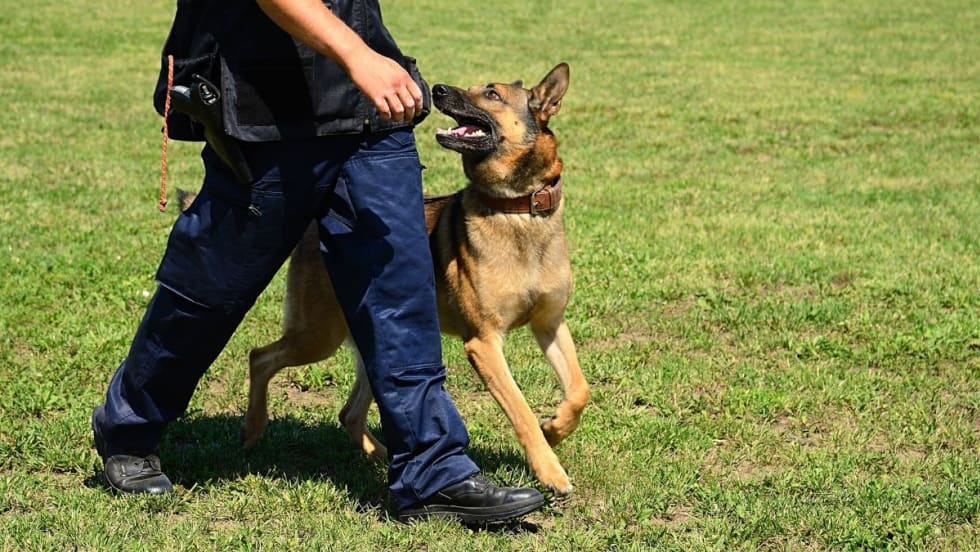
Preventing Heat Injury in Police K-9s
In the relentless heat of summer and even early fall in some parts of the country, officers face the important task of protecting their K-9 partners while working in sweltering temperatures. Recognizing changes in a dog’s behavior is the key.
Read More →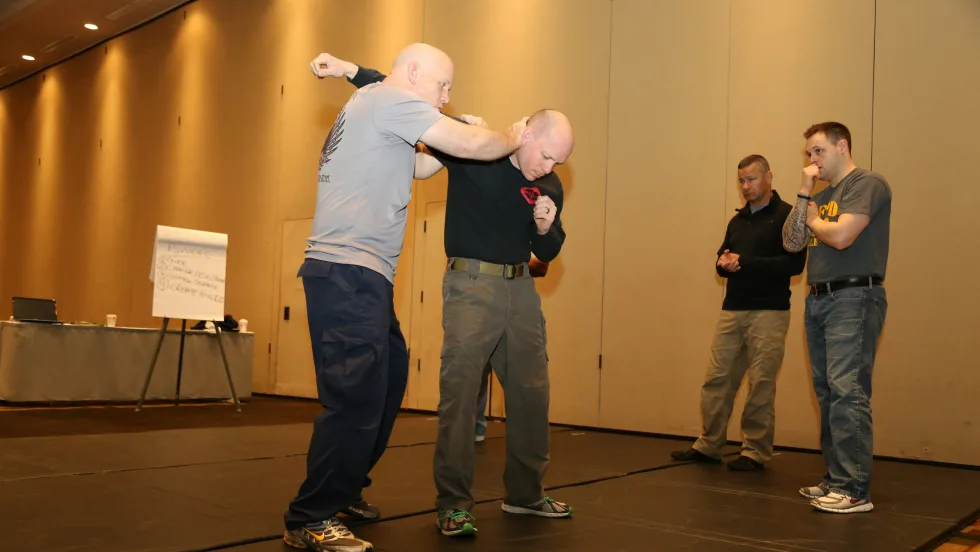
Why Your Agency Needs to Attend the ILEETA Conference
ILEETA is a complete resource for trainers to address trainers' needs. Its mission is to enhance the skills and safety of criminal justice practitioners while fostering stronger and safer communities.
Read More →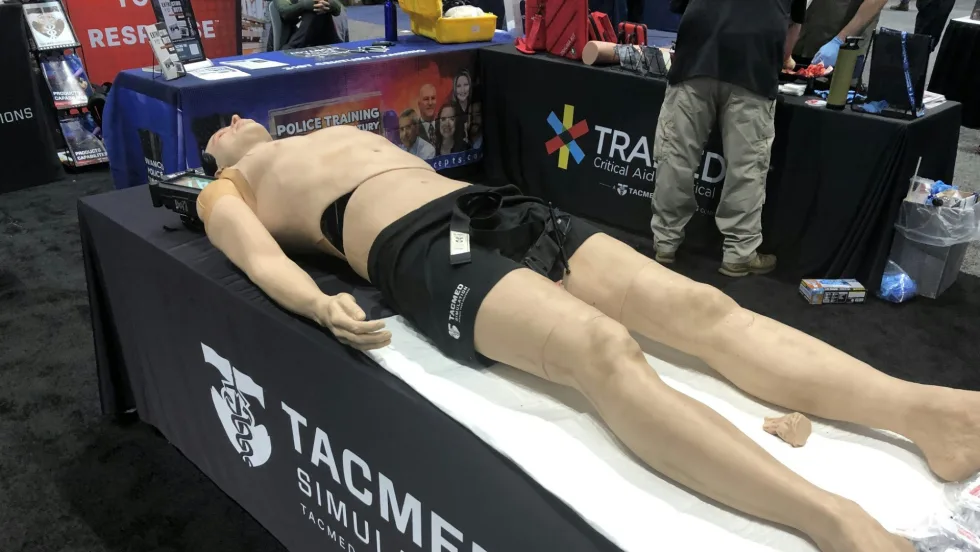
IACP 2023: New Training Products
Technologies for improving law enforcement training and training management were some of the highlights at this year's show.
Read More →
Initial Results Released from MSP 2024 Police Vehicle Testing
The 2024 pursuit-rated vehicles--all pickup trucks or SUVs, including two battery electric models the Chevrolet Blazer EV AWD and Ford Mustang Mach-E--were put through their paces.
Read More →
Officer Safety Considerations Related to Alternative-Fuel Vehicles
As more alternative-fuel and hybrid vehicles hit the road, police and other first responders need to understand that they are no more dangerous than conventional vehicles. However, there are certain safety considerations every cop should know.
Read More →
Garmont Working to Grow LE Market Presence
Garmont Tactical has found wide acceptance by military boot buyers, but now the company is trying to better respond to the needs of police officers. Many cops now are not fans of 8-inch boots, so Garmont is adapting.
Read More →
Publisher’s Note: Our Commitment to You
Through our magazine and website and our Police Technology eXchange event, we promise to provide you with information and access to resources to help you do your job safer and better.
Read More →
10 Tips for Responding to Mental Health Crisis Calls
The Harris County Sheriff's Office is a model for other agencies that want to learn about crisis intervention and mental health crisis response. Sgt. Jose Gomez shares the story of their programs and provides 10 tips for mental health crisis call response
Read More →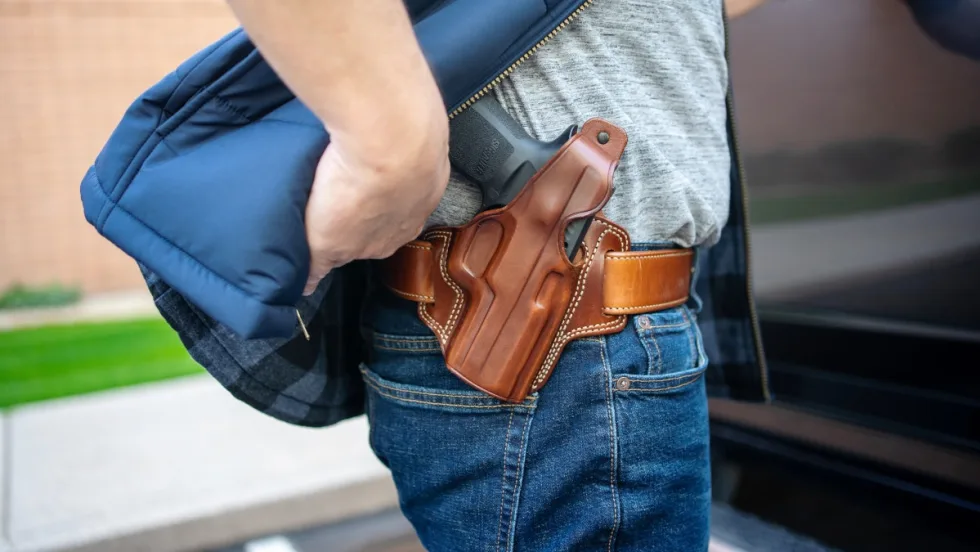
5 Things to Know When Buying Concealed-Carry or Off-Duty Holsters
Mike Barham, of Galco Holsters, shares five important considerations to keep in mind when you buy off-duty concealed or plain-clothes carry holsters.
Read More →
10 Tips for Reviewing Use-of-Force Reports
While the burden of accurately reporting use-of-force situations is on an individual deputy or officer, the person reviewing those reports shares in the responsibility of making sure the reporting is done properly, with clear details included.
Read More →