
Police Magazine

 MENU
MENU SEARCHMENUSEARCH
Jurors may have to wrestle with their religious principles over sending Tsarnaev to death, but nothing else. There are no mitigating factors that should save this vicious terrorist from being euthanized.
Read More →
As you approach the vehicle you notice that her window is rolled up and she has a sign pressed up on her window that says, "I am NOT talking to you, NO you can't search my vehicle, and I want my attorney." She also has her driver's license pressed onto the glass so you can see it.
Read More →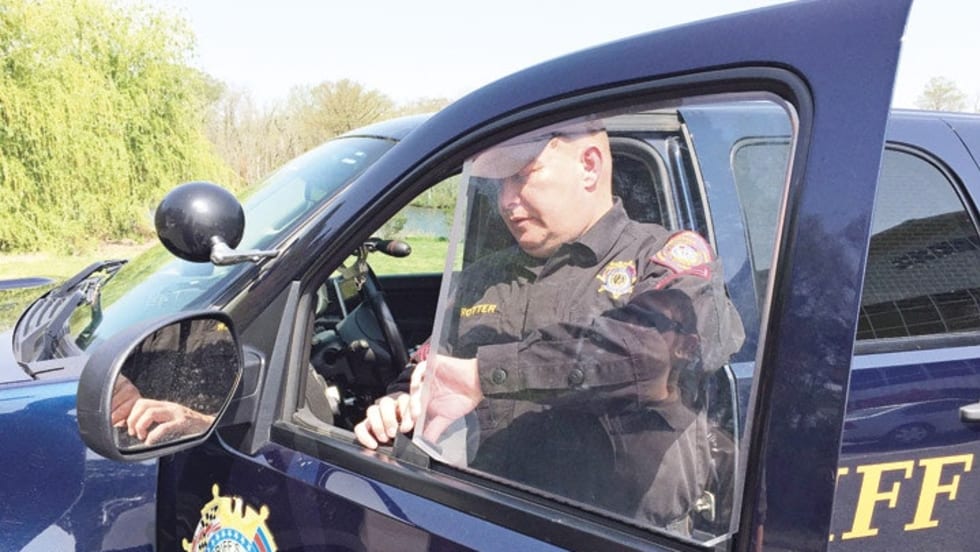
The Brooklyn ambush of NYPD Officers Rafael Ramos and Wenjian Liu in their cruiser last year inspired development of Hardwire LLC's Transparent Armor Window Insert.
Read More →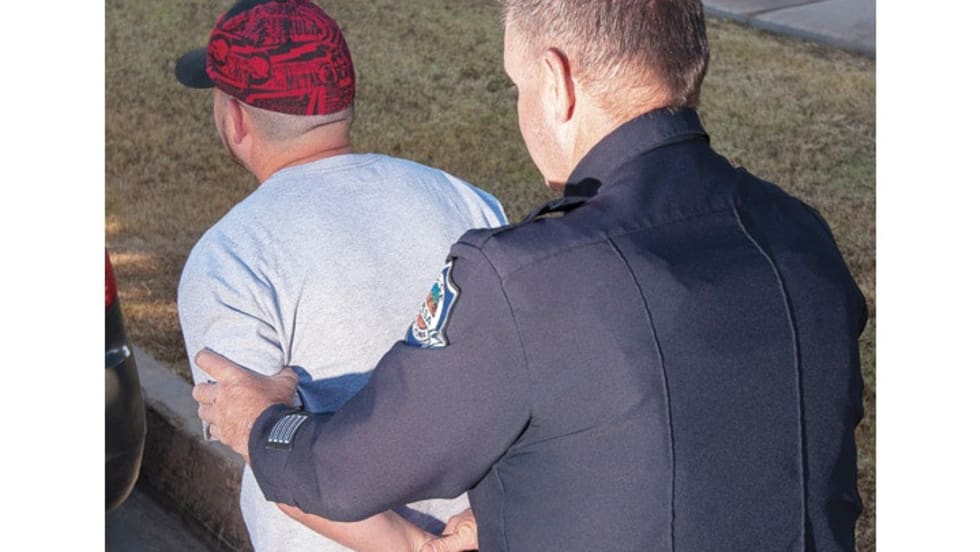
Most of your communications with criminal suspects are "unscripted" dialogue. But in certain situations it can be very important that you say the right words, at the right time, to avoid creating problems for yourself, your agency, and your prosecutor.
Read More →
Selecting the right LED lighting solution for your agency's vehicles can be a daunting task for the uninitiated. There are multiple factors to consider, including lumen output levels, the lightbar's shape, and interoperability with existing equipment.
Read More →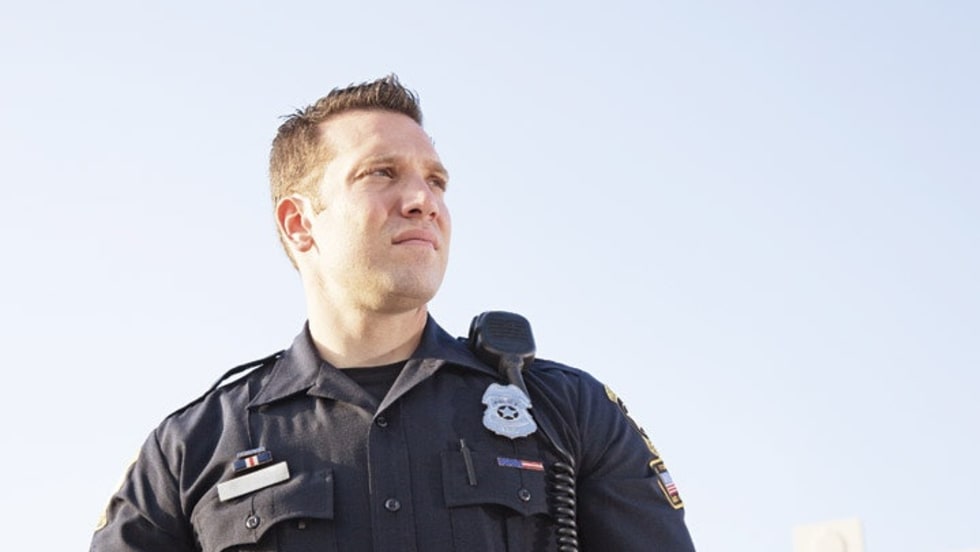
Stress is a part of the job. But there are actions you can take to mitigate its effects that don't include the usual advice from doctors and fitness magazines.
Read More →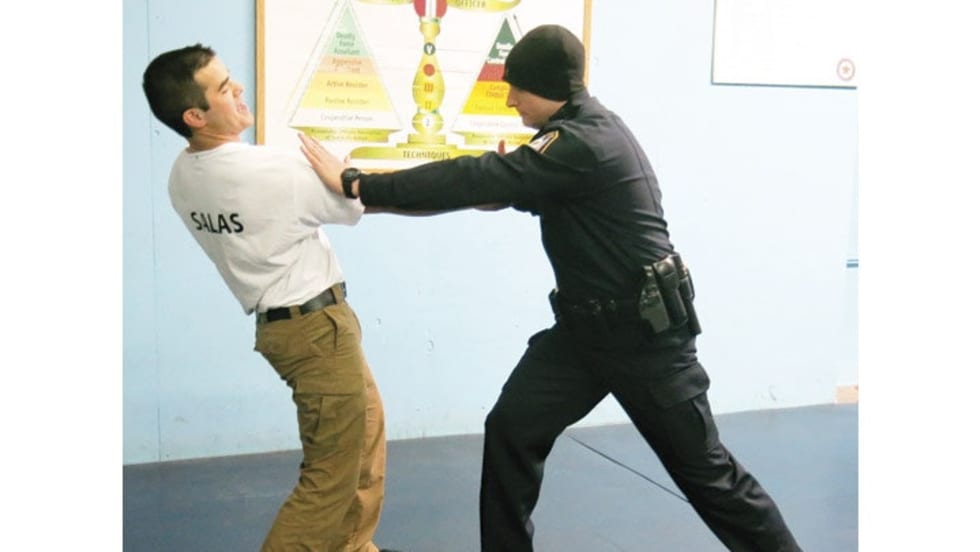
In addition to the built-in retention of your holster, there are some techniques and tactics that you need to know in order to keep your duty weapon in place during a physical altercation.
Read More →
Special agents are real people exposed to real risks; they suffer real pain and bleed real blood.
Read More →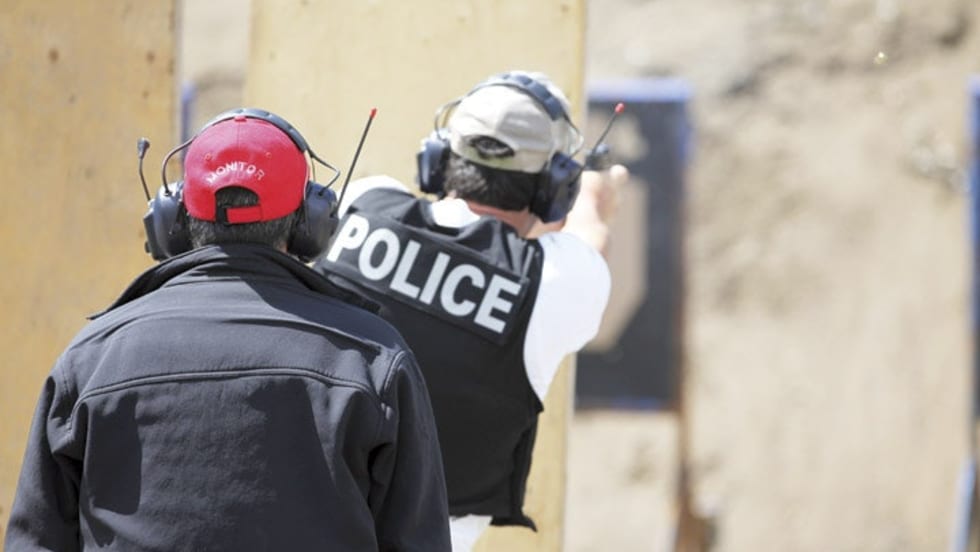
Because police training is in the news we thought it was a good time to ask veteran officers and trainers how they would improve law enforcement training and make it more effective. The following is collected from the comments of more than a dozen sources.
Read More →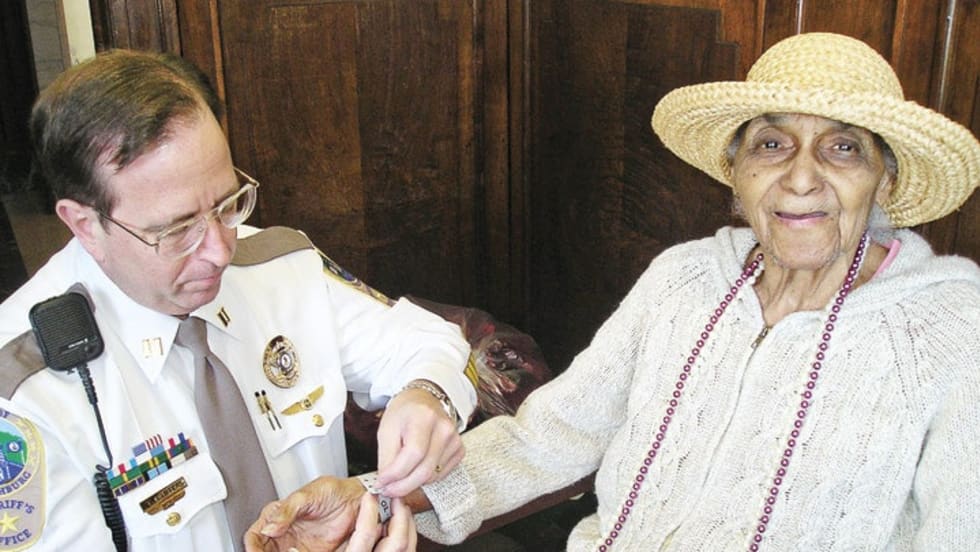
At-risk individuals enrolled in Project Lifesaver wear a small personal transmitter around the wrist or ankle that emits an individualized tracking signal. Responders tune into the individualized frequency of the client's transmitter, listening for a signal that can help them locate the client.
Read More →