



Portable Cover
In 1979, 16-year-old Brenda Spencer took a .22-caliber rifle, pointed it at children and teachers on the playground of Cleveland Elementary School in San Carlos, Calif., and opened fire. She killed two people and wounded nine, then held off police for more than six hours. During that siege, a reporter conducting a phone interview asked her the motivation for the shooting. She replied, “I don’t like Mondays. This livens up the day.”

In 1979, 16-year-old Brenda Spencer took a .22-caliber rifle, pointed it at children and teachers on the playground of Cleveland Elementary School in San Carlos, Calif., and opened fire. She killed two people and wounded nine, then held off police for more than six hours. During that siege, a reporter conducting a phone interview asked her the motivation for the shooting. She replied, “I don’t like Mondays. This livens up the day.”
Many people know about Spencer’s infamous inspiration for her attack. It was immortalized by the Irish rock band The Boomtown Rats in a hit song titled “I Don’t Like Mondays.”
But what most people don’t know about this incident is the ingenuity of the patrol officers who responded to the shooting. To provide cover for the wounded and the dying and the people trying to help them, the officers commandeered a garbage truck and drove it between Spencer’s house and the school, using it as mobile cover.
Unfortunately, garbage trucks are not always handy when you need them. So officers who respond to high-risk incidents need other forms of cover that they can move into position between themselves and shooters armed with rifles.
Tactical Vests
The problem with all wearable armor is that you have to sacrifice comfort and mobility for the protection that it offers. This has been true throughout history from the leather worn by Spartan soldiers, to the chain mail and plate worn by medieval knights, to the NIJ Level II or Level IIIA ballistic vest that you wear on patrol. And it’s especially true of tactical vests.
There is no way that you would want to wear one of these heavy suckers throughout an entire patrol shift. Yes, with ceramic plating, it would protect your torso from even AK-47 fire, but you’d lose any ability to move fast and you’d wilt from the heat.
However, heavy armor has its place. And that place is the high-risk incident, where you are most likely to face suspects armed with rifles.
In addition to its enhanced protection, most tactical vests offer some additional features that make them more suited to SWAT-type operation than patrol. For example, tactical vests have pouches for hard ceramic plates that will stop heavy caliber rifle rounds. Tactical vests also can be easily modified with extra neck and arm coverage. Other common features include pouches or loops for munitions and tools, heavy-duty straps that can be used to drag wounded officers to safety and medical care, and fire-resistant carriers made of Nomex.
Shields and Bunkers
Clear Lexan shields and opaque hard shields with viewing ports are a common sight in the hands of cops responding to riots or other incidents where they may be attacked with thrown objects. Some of these shields are now bullet resistant. Level II and Level IIIA shields that can stop handgun bullets are now in common use for both crowd control and tactical duty.
One of the more intriguing ballistic shield designs is the Baker Batshield. This thing looks like a prop out of “Batman Begins,” but if you can get past that, it can be a valuable tactical tool with some interesting advantages to traditional shields.
The advantage to the Batshield is that the operator doesn’t have to hold it. The shield is strapped to his body, and he can move with it while keeping both hands on his weapon. This means that the user of the Batshield can aim and fire a long gun behind the shield.
Larger ballistic shields made of hard material are often called “bunkers.” This type of shield is heavy and bulky, and it normally requires more than one officer for proper deployment.
Of course, as we’ve mentioned, sometimes heavy armor is your best option. Many ballistic bunkers can withstand multiple bullet strikes from high-caliber rifles. And that can be essential in a high-risk incident.
Because of their weight, it’s not unusual for ballistic bunkers to come equipped with wheels. Additionally, some are equipped with high-intensity headlamps and firing slits.
Ballistic Blanket
Some of the most interesting recent innovations in tactical armor can be found in ballistic blankets. These team-size shields entered the market as essentially over-sized vests. The same ballistic fibers that are used in personal body armor were simply woven and stitched into large blankets.
Now, ballistic blanket technology has progressed so much that most have support structures such as metal frames and hard plates integrated into their cover material. They also come with multi-use exostructures allowing a variety of deployment options.
When a SWAT team is approaching a highly fortified position and a shooter who will fire on them, a ballistic blanket can mean the difference between life and death. It can be used to cover the movement of an entire team maneuvering into position for an assault or to protect tactical personnel during explosive breaching operations. Some ballistic blankets even have ladders built into their frames.
Of course, when bullets are flying, nothing really beats an armored vehicle for officer protection and victim rescue. Unfortunately, most American police agencies can’t afford an armored vehicle.
Necessity is the mother of invention. And when all hell is breaking lose, some SWAT officers become very inventive. This is why you will sometimes see officers armor a car with a ballistic blanket and use it as victim rescue or team deployment vehicle.
The Armored Box
Another option for a department that can’t afford a true armored car is the wheeled armored box. The company that makes the armored box, Supreme Corp., calls its product a “Mobile Armored Device” or MAD. But any cop who sees this thing would think of it as an armored phone booth on wheels.
Composed of aluminum and Kevlar, MAD offers Level III protection for two officers and is designed with gun ports so that they can return fire. MAD fits in most commercial elevators, and it can be used for victim rescue or to gain tactical advantage in a barricade situation. The first version of MAD was foot driven, but later versions are powered by electric motors.
More Patrol
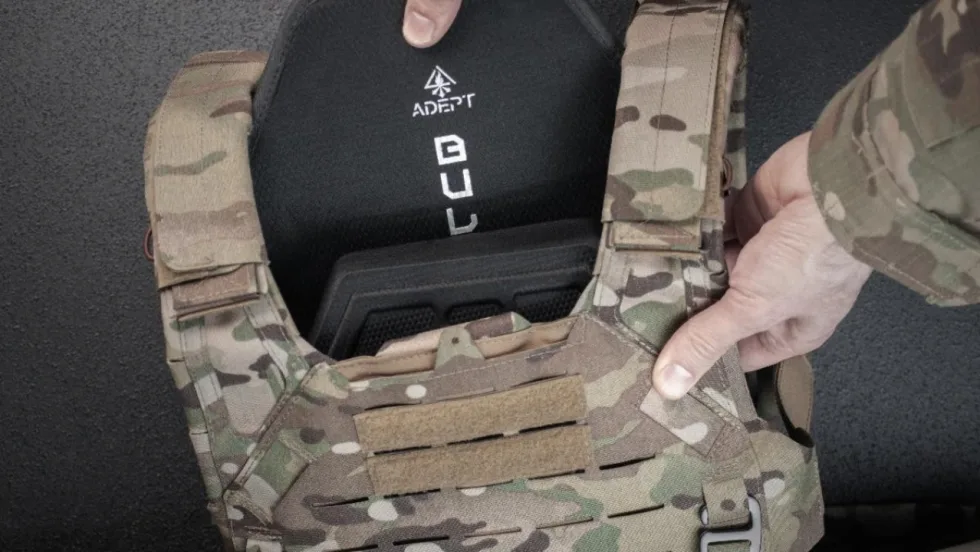
Adept Armor Introduces Two New Rifle Plates
Adept Armor has launched two new Level IV ballistic plates, the Emperor and the Archon Mark 2, which brings Adept Armor’s new Quatroid ceramic to the high-threat, performance-value center of the range at 5.2 pounds.
Read More →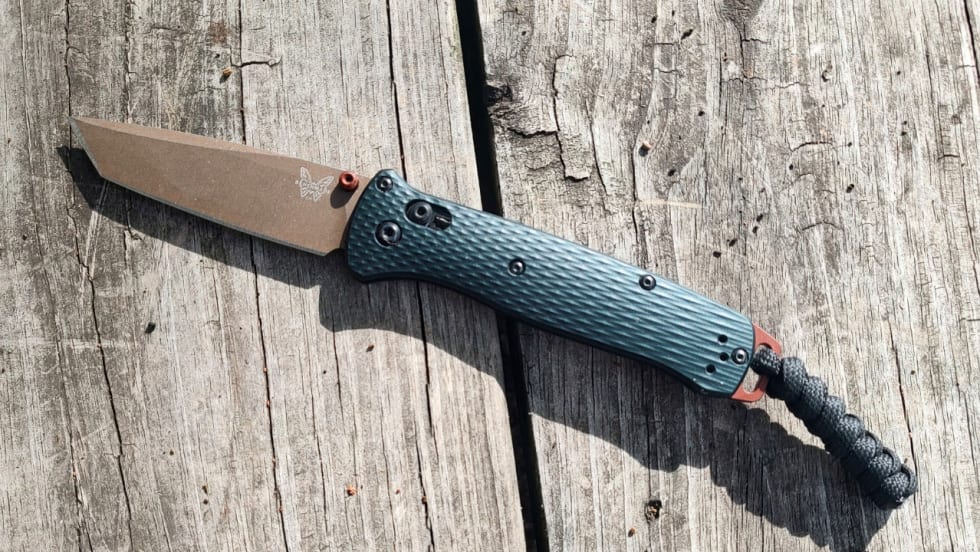
POLICE Product Test: Benchmade Bailout
The Benchmade Bailout is a slim, lightweight carry knife with a deep-ride pocket clip and comes in a variety of blade steels and scales. Here is a detailed review of the Taiga Green Bailout, released earlier this year.
Read More →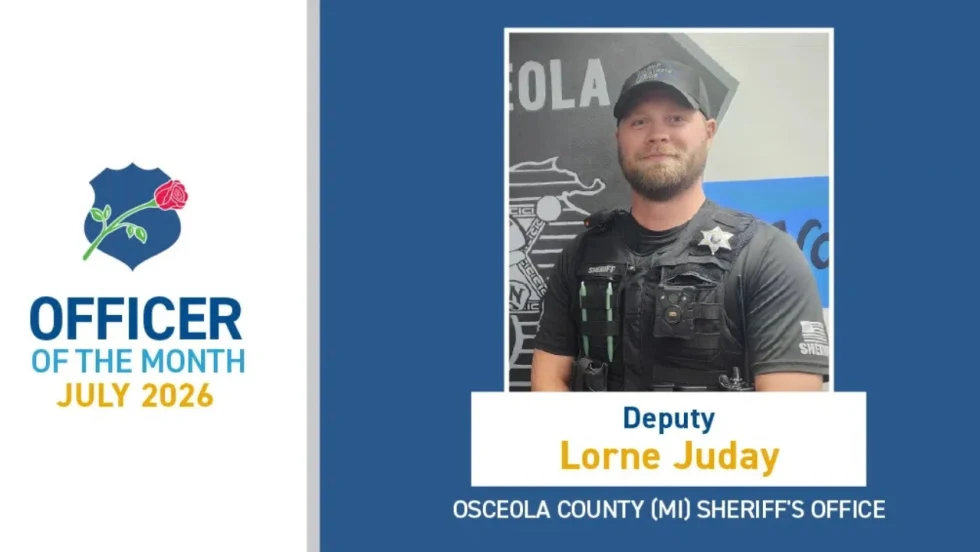
NLEOMF Announces July 2026 Officer of the Month
NLEOMF honored a Michigan deputy sheriff as the July 2026 Officer of the Month for rescuing a trapped driver from a burning vehicle following a Fourth of July crash.
Read More →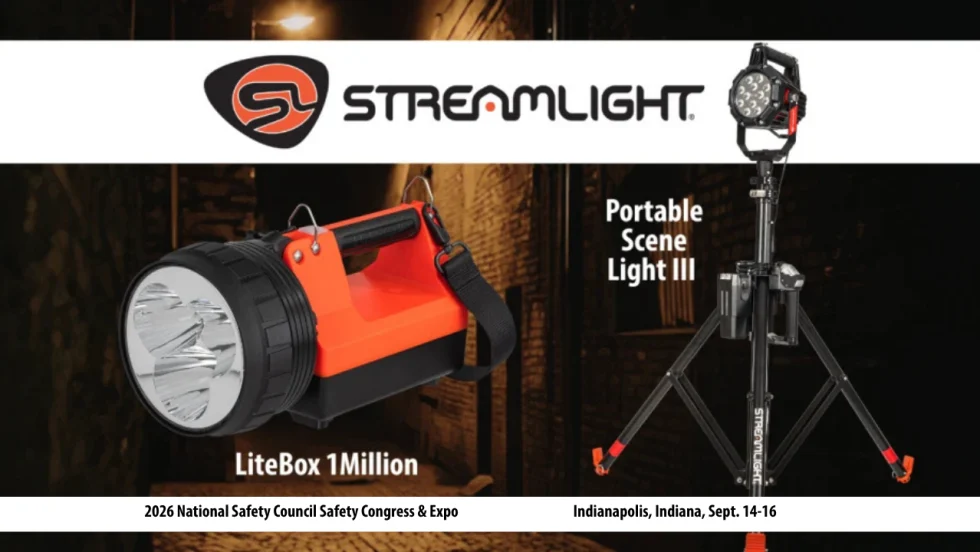
Streamlight to Showcase Newest Lighting Products at National Safety Council’s Safety Congress & Expo 2026
Streamlight will showcase its latest lights, including the Portable Scene Light III and the LiteBox 1Million, at the 2026 National Safety Council (NSC) Safety Congress & Expo.
Read More →
The 2027 World Police & Fire Games Set for Perth, Australia
The 2027 World Police & Fire Games (WPFG) will take place in Perth, Western Australia, from Friday, March 12 through Sunday, March 21, 2027.
Read More →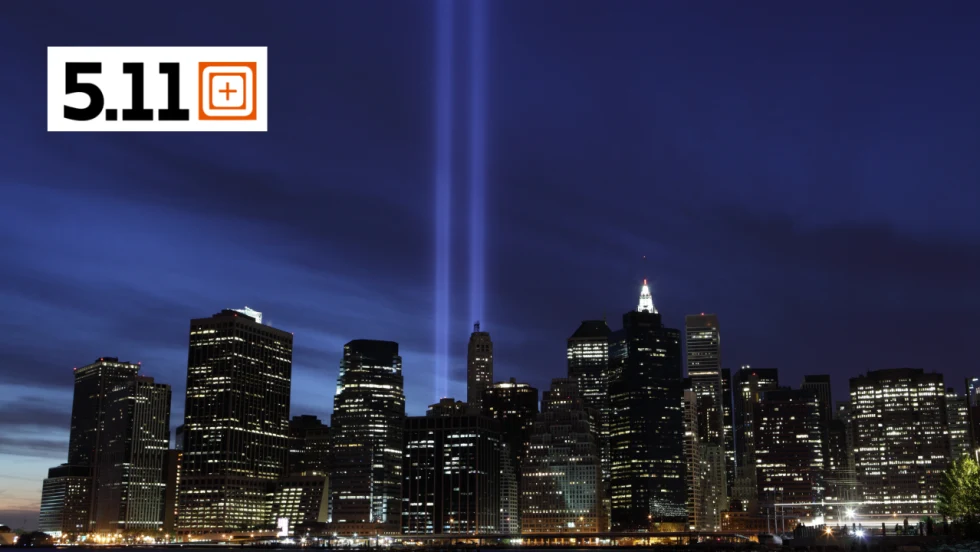
5.11 Partners with National Fallen Firefighters Foundation to Support #ForThe343
5.11 has joined the nationwide movement honoring the 343 New York City Fire Department firefighters lost on Sept. 11, 2001.
Read More →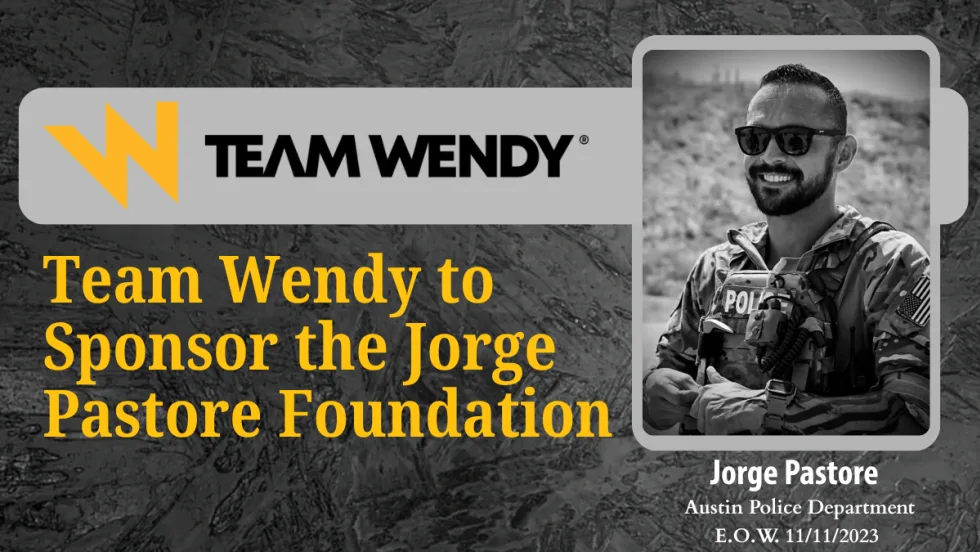
Team Wendy Announces Title Sponsorship of the Jorge Pastore Foundation
Team Wendy’s 3-year partnership with the Jorge Pastore Foundation expands access to programs that strengthen those who serve.
Read More →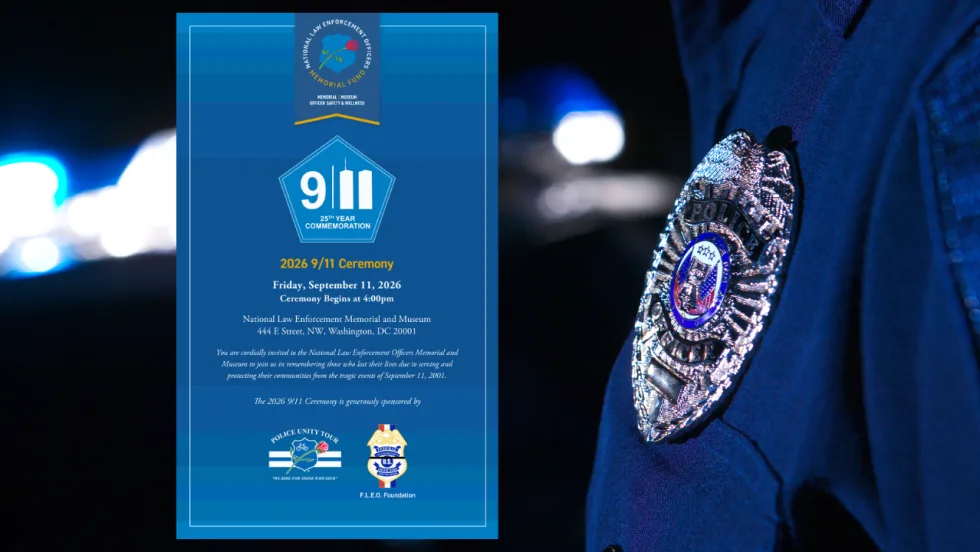
National Law Enforcement Memorial and Museum Hosting 9/11 25th-Year Commemoration Ceremony
The National Law Enforcement Memorial and Museum is hosting a 9/11 25th Year Commemoration Ceremony on Sept. 11 at 4 p.m.
Read More →
National Law Enforcement Officers Memorial Fund Announces June 2026 Officers of the Month
The National Law Enforcement Officers Memorial Fund (NLEOMF) named 15 officers of the Chico Police Department (California) as the Officers of the Month for June 2026 for their roles in responding to an active-shooter incident at a public library.
Read More →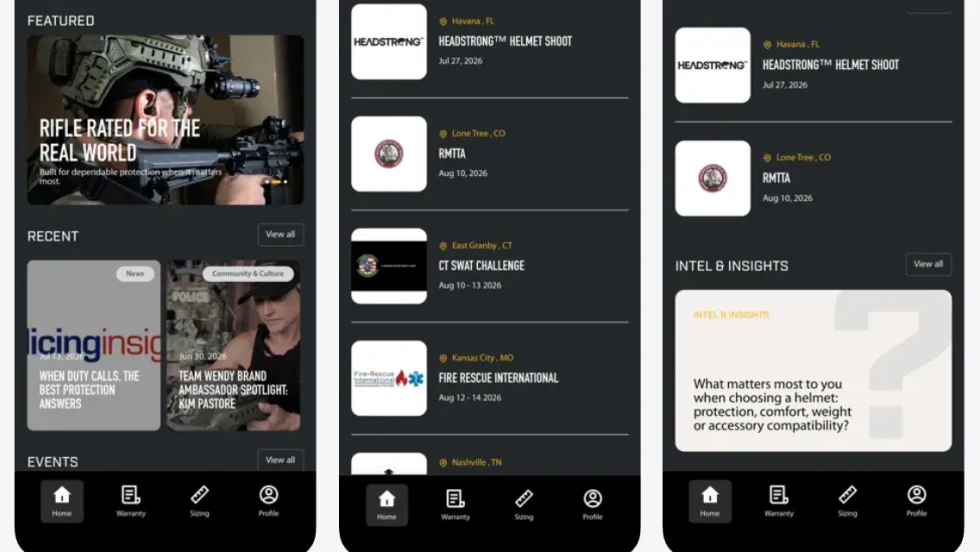
Team Wendy App Creates New Digital Hub for Helmet Owners
The Team Wendy Community App provides one location for warranty registration, size-fit tools, product updates, and community connection. For helmet owners, the new app creates a simpler path to the information and tools that matter most.
Read More →