



Officer Safety: Preventing Murders on Traffic Stops
On any call, always remember that you don’t know who the subjects are, and that’s dangerous.

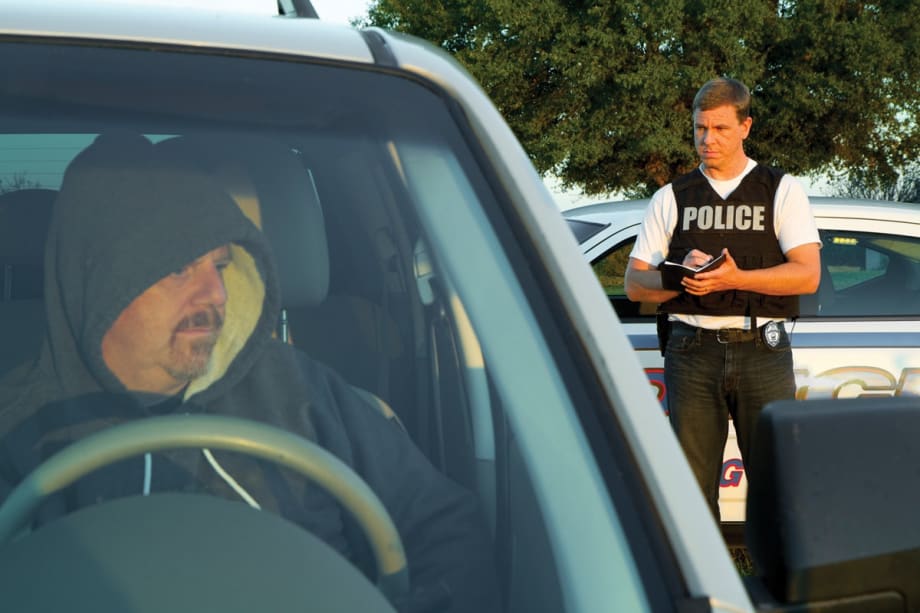
Photo: GETTYIMAGES.com/ racheldonahue
The definition of tactical is things done in order to obtain specific results. Most of the time when we think of tactical approaches we think of highly trained skills involving hours of training or deadly operations to secure a position that achieves a definite goal. Tactical is often associated with SWAT. However, all law enforcement officers can benefit from lifesaving tactics.
In my evaluation of police officers’ murders during traffic stops over the last 100 years I have discovered a common denominator present in 99% of the cases. The common denominator is the key to my tactical solution: They know who you are, but you don’t know who they are.
Bonnie and Clyde
On Apr. 1, 1934, three Texas State Highway Patrolmen were traveling on motorcycles along Highway 114 just outside of Grapevine, TX. Two of the patrolmen noticed a vehicle parked about 100 yards off the highway on a side road. The lead officer traveled on, but the following officers turned around to see if the driver needed assistance. Helping stranded drivers was a large part of highway patrolmen’s responsibilities in the early years.
As the two patrolmen stopped just in front of the parked vehicle, the car doors swung open and the driver, armed with a Browning automatic rifle, killed the patrolman on the left immediately. The passenger shot the patrolman on the right with her 20-gauge shotgun, slamming him to the ground. He continued to move, so the passenger pushed the patrolman over onto his back and she lowered the shotgun to his face and fired again.
Both assailants got back in their vehicle and sped away. This was the most gruesome murder of two police officers in those years. Perpetrated by none other than the infamous criminals Bonnie Parker and Clyde Barrow.
For decades police officers have been murdered on traffic stops and such incidents are often quietly referred to as simply “a hazard of the job.”
My Experience
In 1975 I was on patrol as a North Carolina State Trooper when I stopped a vehicle at 8:25 a.m. for a minor speeding violation. It almost cost me my life. For years I tried to figure out how to prevent these types of shootings and murders.
I haven’t reinvented the wheel, just used the information available to develop my tactic.
The two Texas patrolmen who were killed in 1934 by Bonnie and Clyde had no idea who they were riding up on. I was gunned down by a man wanted for murder, shooting four more people, kidnapping, breaking and entering, and several other felonies. I had no idea who he was.
My evaluations led me to a phrase that has been a part of police officers’ murders since the beginning of time. It’s not rocket science and may not even sound unique when you first discover it. My phrase may be part of any call for service answered by any officer for any reason. It’s not unique to traffic stops alone.
TKWYABYDKWTA
The phrase is, “They know who you are but you don’t know who they are,” or TKWYABYDKWTA. That’s not hard to believe. No one would argue the logic.
Let’s break this phrase down. Obviously, they know who you are. You are in uniform, have a blue or red light, a badge, and a police car of sorts or identify yourself as a police officer. OK, we agree.
But you don’t know who they are. Well, that is a given fact. How would you know who they are? Someone asked me if I was scared whenever a radio call was broadcast involving some serious crime and the suspect vehicle was in front of me or that I spotted the vehicle almost immediately. My answer was “No, locating that vehicle was a bit of a dream come true.” I went on to explain that spotting the suspect vehicle gives an officer many options. That same officer has limited if any options if he or she has stopped that vehicle for a traffic violation before the radio broadcast comes out.
When an officer begins to stop a vehicle they normally—or at least 99% of the time—have no idea who the driver or occupants are. The officer may recognize the vehicle, the driver, or an occupant from another violator contact, but that stop should have little or no bearing on the current stop unless the previous stop went badly. That officer can never be closer to death than that very moment if the intentions of the driver or occupants are to kill the officer if they believe the officer may discover their identity and arrest them.
In the case of Bonnie and Clyde they were absolutely sure the patrolmen would recognize them and their reign of terror would be over.
In the case of my shooting, the driver was cool until I asked him to follow me to the magistrate’s office and post bond. That triggered his thoughts of me recognizing him and his being arrested. He knew he would be facing a long prison sentence because of the crimes he had committed. In both cases we were standing in the path of freedom for the assailants.
If I had written the man I stopped that fateful day a ticket there on the spot he might have been calm enough to sit quietly and see if I recognized him. Both scenarios—from 1934 and 1975—revealed that the officers did not know who they were stopping.
Like Turning on a Light Switch
I have a silly question for you now. Have you ever been at home or work when the electricity went off? Sure you have. If you’ll be honest, as you moved around your home or office and entered a dark room, you flipped the light switch on, only to laugh and remember that the electricity was off. Trying to turn the light on is a habit developed from doing it over and over. It is embedded in your mind. I want TKWYABYDKWTA to be the mental part of the preparation of the stop.
I want you to develop the same tactic of “I don’t know who they are” every time you stop a vehicle. What if the two Texas patrolmen in 1934 had used my tactic? What if I had used my tactic? What if the thousands of officers killed on traffic stops had used my tactic?
Why would you not believe that the occupants or driver of the vehicle might want to hurt you? This is not a time in life to give anyone the benefit of the doubt until you fully assess the stop. If you are wrong, you may be dead.
It makes me want to stop and shake officers that I see make a traffic stop and head directly to the driver’s window and square up. He or she has given a person whom they do not know a deadly target to shoot.
I want officers to naturally think, “Be careful; I don’t know who this is driving this vehicle,” on every stop or approach. Use the procedures of positioning yourself behind the driver’s door or the passenger’s window or whatever you are taught. Because IDKWTA.
What You Think You Know
Officers cannot—and I emphasize cannot—judge the driver and occupants by the infraction causing the stop. Here we go; be honest again. If you think you have a more serious violation versus something minor like a tail light violation you act differently. Right? There is no reason to assume the lights will come on when the power is off. How can anyone approach a stop without realizing that IDKWTA? I’ll tell you why: complacency. Complacency is a mental attitude. My tactic will adjust that attitude if you allow it to be part of your stop.
Onboard computers have their advantages but also give officers a false sense of security. Just because the computer comes back with no warrants or wants and the owner is identified with nothing outstanding or lengthy charges doesn’t mean that the person operating the vehicle at this specific time is in fact the driver. It also doesn’t mean that the driver or an occupant hasn’t just committed a violent crime that has not made it into the system yet.
Psychology is not an exact science. Police psychology is even less of a science. People who have committed crimes in the past often think that a traffic stop will lead to the discovery of their actions. Bonnie and Clyde killed for that reason. I was shot for that reason.
Make it a Mantra
As an officer making a traffic stop, you have absolutely no idea how the people in the vehicle might react. Why would you act any different than “I don’t know who this driver is, he might try to hurt me”? Why would you walk directly to the driver’s window?
My tactic is about a mental approach to a traffic stop. I want you to mentally replace compliancy with TKWYABYDKWTA. I am not suggesting that you vary from the training you receive from your department on traffic stops. I am asking you to mentally be prepared to protect yourself as you proceed with the stop. I am asking that your first thoughts toward the vehicle stop when you observe a violation that warrants a stop automatically be TKWYABYDKWTA—They know who you are but you don’t know who they are.
I feel so strongly about this tactic that I have made wristbands with the initials TKWYABUDKWTA embossed on them. Contact me and I will send you one to use as a reminder at no charge. Learning this tactic will not take any longer than you learning to turn the light switch on when you enter a dark room.
Harry Stegall is a former North Carolina State Trooper who was shot seven times on a traffic stop effected for a minor speeding violation in October 1975. He can be reached at www.harrystegall.com.
More Patrol
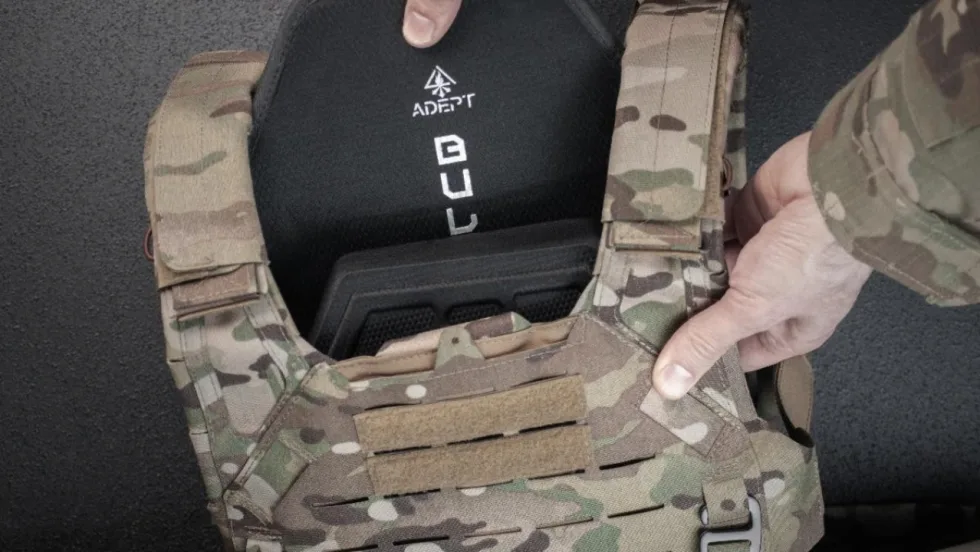
Adept Armor Introduces Two New Rifle Plates
Adept Armor has launched two new Level IV ballistic plates, the Emperor and the Archon Mark 2, which brings Adept Armor’s new Quatroid ceramic to the high-threat, performance-value center of the range at 5.2 pounds.
Read More →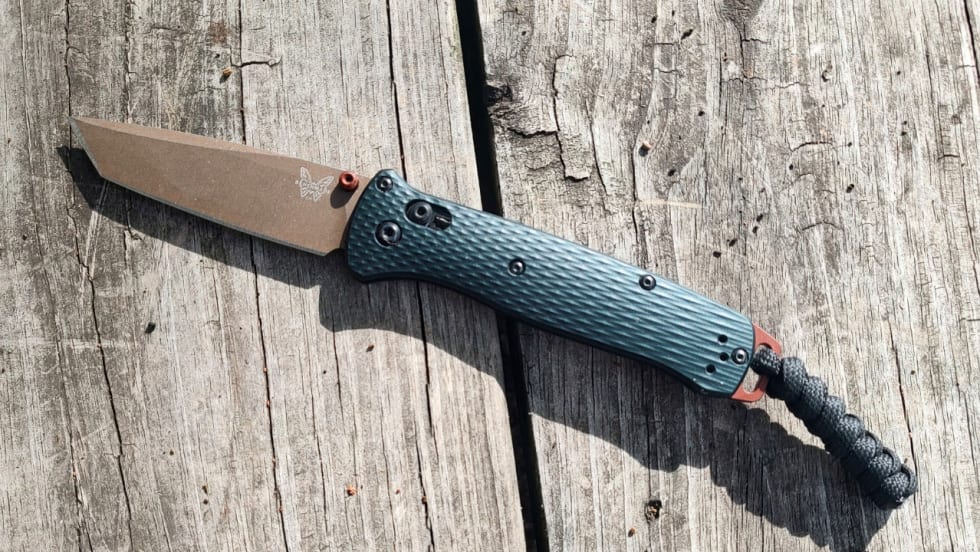
POLICE Product Test: Benchmade Bailout
The Benchmade Bailout is a slim, lightweight carry knife with a deep-ride pocket clip and comes in a variety of blade steels and scales. Here is a detailed review of the Taiga Green Bailout, released earlier this year.
Read More →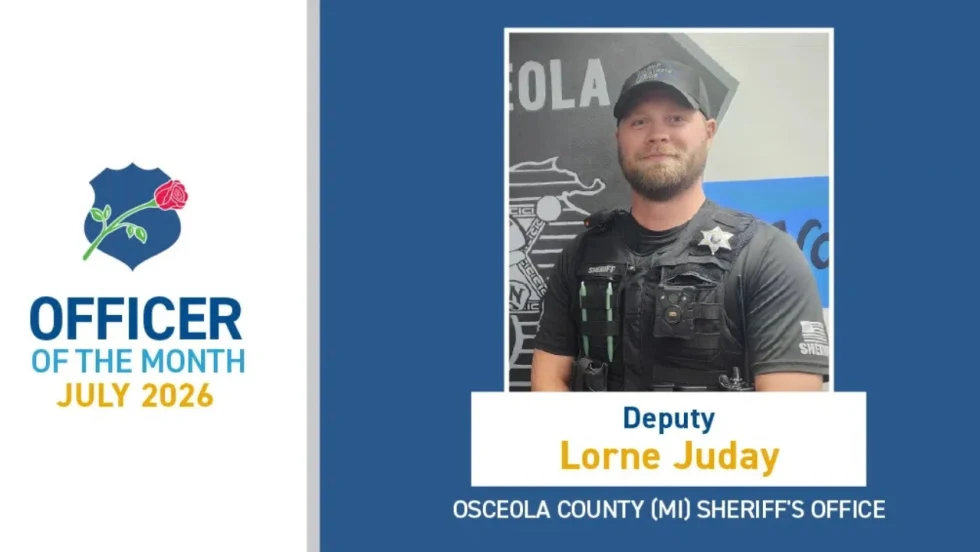
NLEOMF Announces July 2026 Officer of the Month
NLEOMF honored a Michigan deputy sheriff as the July 2026 Officer of the Month for rescuing a trapped driver from a burning vehicle following a Fourth of July crash.
Read More →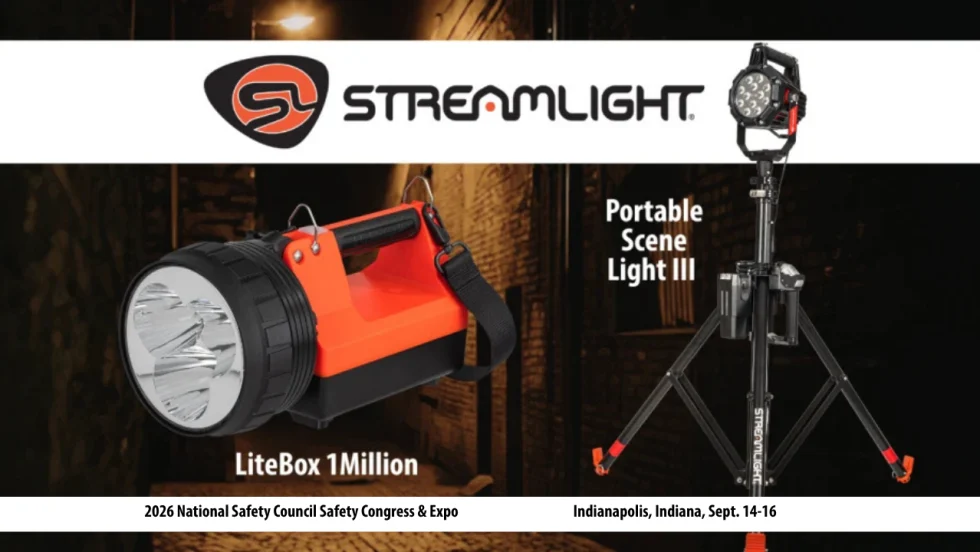
Streamlight to Showcase Newest Lighting Products at National Safety Council’s Safety Congress & Expo 2026
Streamlight will showcase its latest lights, including the Portable Scene Light III and the LiteBox 1Million, at the 2026 National Safety Council (NSC) Safety Congress & Expo.
Read More →
The 2027 World Police & Fire Games Set for Perth, Australia
The 2027 World Police & Fire Games (WPFG) will take place in Perth, Western Australia, from Friday, March 12 through Sunday, March 21, 2027.
Read More →
5.11 Partners with National Fallen Firefighters Foundation to Support #ForThe343
5.11 has joined the nationwide movement honoring the 343 New York City Fire Department firefighters lost on Sept. 11, 2001.
Read More →
Team Wendy Announces Title Sponsorship of the Jorge Pastore Foundation
Team Wendy’s 3-year partnership with the Jorge Pastore Foundation expands access to programs that strengthen those who serve.
Read More →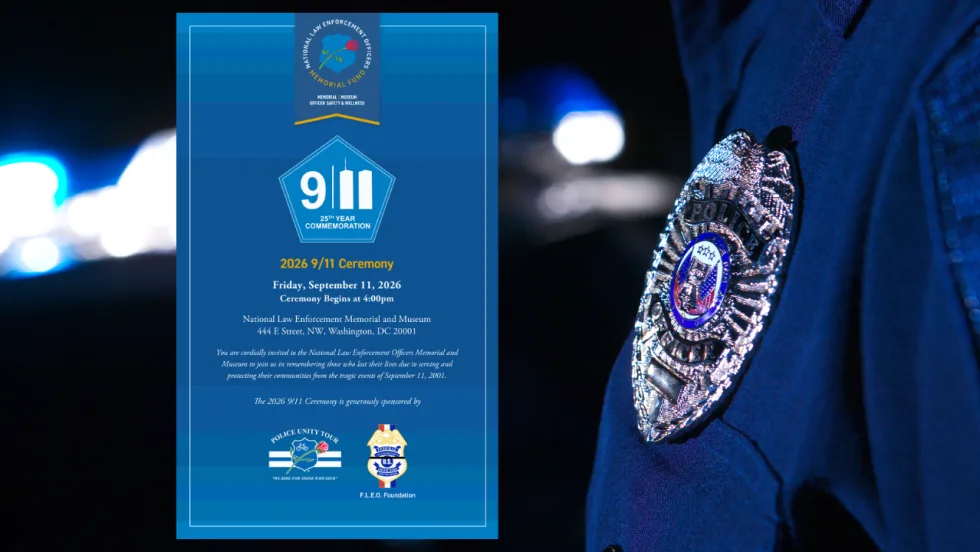
National Law Enforcement Memorial and Museum Hosting 9/11 25th-Year Commemoration Ceremony
The National Law Enforcement Memorial and Museum is hosting a 9/11 25th Year Commemoration Ceremony on Sept. 11 at 4 p.m.
Read More →
National Law Enforcement Officers Memorial Fund Announces June 2026 Officers of the Month
The National Law Enforcement Officers Memorial Fund (NLEOMF) named 15 officers of the Chico Police Department (California) as the Officers of the Month for June 2026 for their roles in responding to an active-shooter incident at a public library.
Read More →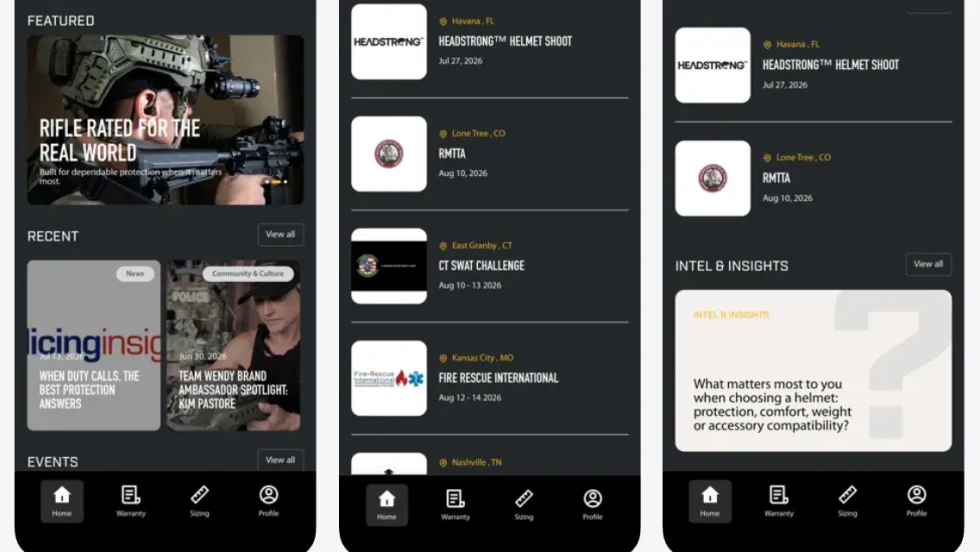
Team Wendy App Creates New Digital Hub for Helmet Owners
The Team Wendy Community App provides one location for warranty registration, size-fit tools, product updates, and community connection. For helmet owners, the new app creates a simpler path to the information and tools that matter most.
Read More →