



Don't Be an Idea Person
It's been said that ideas are a dime a dozen but the people who implement them are priceless. As a supervisor, you get to decide whether you're worth more than a dime.

There is no shortage of ideas in law enforcement. However, there is a shortage of people who will actually implement them. In today's world, some people think their opinions are actually ideas; they're not. Worse, if you have an idea but no way to carry it out, it's worthless. It's been said that ideas are a dime a dozen but the people who implement them are priceless. As a supervisor, you get to decide whether you're worth more than a dime.
I used to see it at my agency all the time. Some young sergeant or senior deputy would be in the hallway spewing their opinion on how things should be done. And yet when pressed how they would accomplish their lofty idea, the conversation would eventually change to something else. What most people call ideas are nothing more than veiled ways to vent, criticize, or just kill time at work.
My recommendation is to do more follow-through with your idea and do less talking. If it's such a good idea why not develop it, put it in writing, and send it up the chain of command? Even if it's someone else's idea, you can help someone else find a way to push it through.
I'll give you an example. While in charge of our agency's motor unit, I wanted to place short-barreled rifles somewhere on our motorcycles. I thought it made sense since motor units are so versatile. They can drive practically anywhere and go through just about any terrain. They are also one of the easiest units to free up in case of an emergency.
Historically, most motor units either don't carry a rifle or they carry it mounted in the open. Since neither of these options fit the model I was trying to develop, I discussed it with my unit and came up with a game plan. We used one of our SWAT team's short-barreled rifles as our standard. We designed a special bracket that incorporated a mount already used in our vehicle maintenance section's inventory. We also agreed that it needed two separate locking systems: the saddlebag and the rifle mount itself. We then began figuring out how to make it all work together and conceal it within a saddlebag. Having an idea was not enough; we had to prove it was viable as an option.
Once that was done, I wrote a proposal, took pictures of our prototype, and pitched the idea. The proposal included material and personnel cost factors as well as several versions of how we could build the new rifles, and outlined a timeframe for the project. Our hard work paid off and we got approval to implement the idea. Each motor officer, including those cross trained, became police rifle certified and now carries an M4 short-barreled rifle in their saddlebag.
If all we had done was talk about it nothing would have ever happened. If you have a good idea, figure out the details, write a proposal, and submit it. It's the only way your idea stands any chance of going anywhere.
I'll give you another example. We are currently in an election cycle as I write this, and now that I am retired I have become more involved in local politics. As a campaign manager, I have had to deal with good intentioned idea people. These people are invited to meetings, make noise by trying to tell everyone what needs to be done, and then never lift a finger to help. All they ever accomplish is wasting everyone's time.
I handle idea people with no intention of following through by saying, "That's a great idea. How long do you think it will take for you to get it done?" Then I sit back and have some fun as I watch the look on their faces as they start to back-pedal. On one occasion, I had someone tell me they didn't plan to work on any part of their idea other than to supervise everyone else. I still laugh every time I think about it.
To be fair, I always thank anyone who brings me an idea and tell them to come back when they are ready to help me take their idea from start to finish. The reality is, I never hear from most of them again. And that's my point; if you have a good idea then be prepared to see it all the way through or it's not worth much.
If you want to be taken seriously as a supervisor, making suggestions for improvement or solving problems is part of the game. To play well, you have to work at it. You can't just float an idea out there and hope someone else runs with it while you take credit for it later. You don't want to be seen as the idea person, but instead as the person who gets things done. If all you ever do is talk, eventually people stop listening.
Amaury Murgado retired a senior lieutenant from the Osceola County (FL) Sheriff's Office with over 29 years of experience. He also retired from the Army Reserve as a master sergeant. He holds a Master of Political Science degree from the University of Central Florida.
More Training
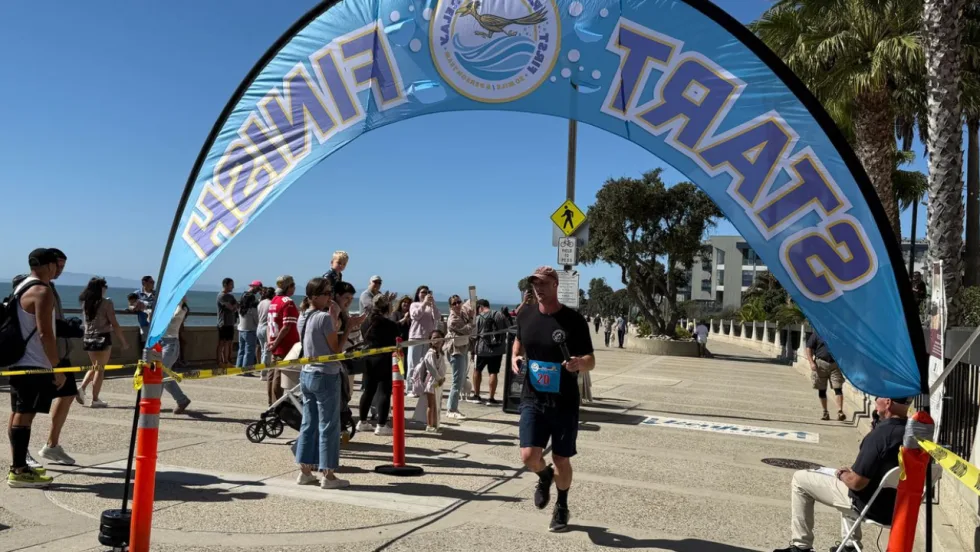
Registration Underway for Sixth Annual First Responders Relay
The California Police Athletic Federation’s annual First Responder Relay will welcome first responder teams from across the globe to compete along Ventura's scenic coastline on Oct. 11. Registration is underway.
Read More →
Vector Solutions Launches Comprehensive Online Dispatch Training Catalog for Emergency Communications Professionals
Vector Solutions’ new catalog of 35 expert-developed online courses can help emergency communication centers strengthen training, meet certification requirements, and simplify continuing education.
Read More →
Tools for Active Shooter Response Training
What technologies help prepare officers for active shooter response situations? This behind-the-scenes look at law enforcement training explores shot simulators, smart firearms, laser target systems, and the tools used to build safer, more effective training environments.
Read More →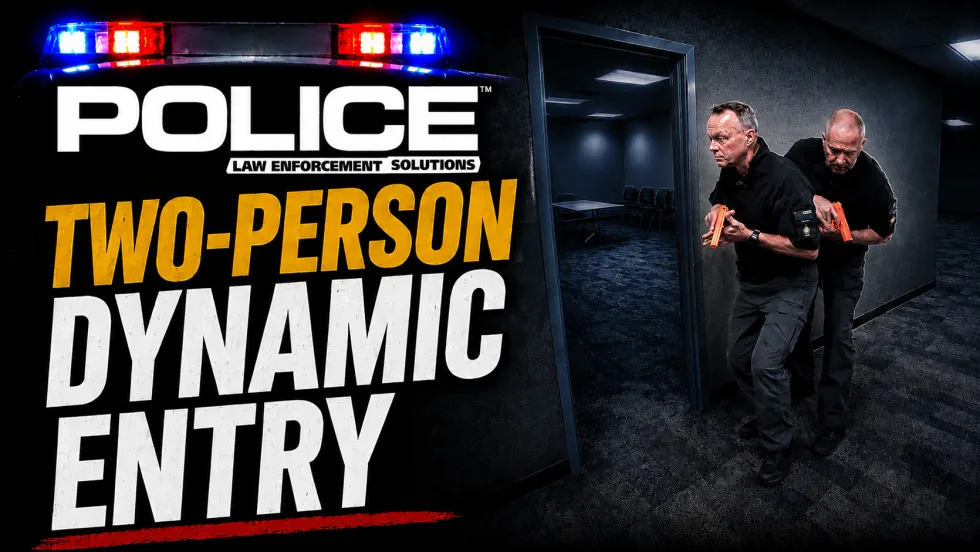
Two-Officer Tactical Doorway Entry Techniques
Entering a room during active-threat situations requires communication, coordination, and disciplined tactical movement. In this video, trainers from the United States Deputy Sheriff’s Association demonstrate critical room entry concepts, including fatal funnel awareness, team coordination, and safe tactical movement.
Read More →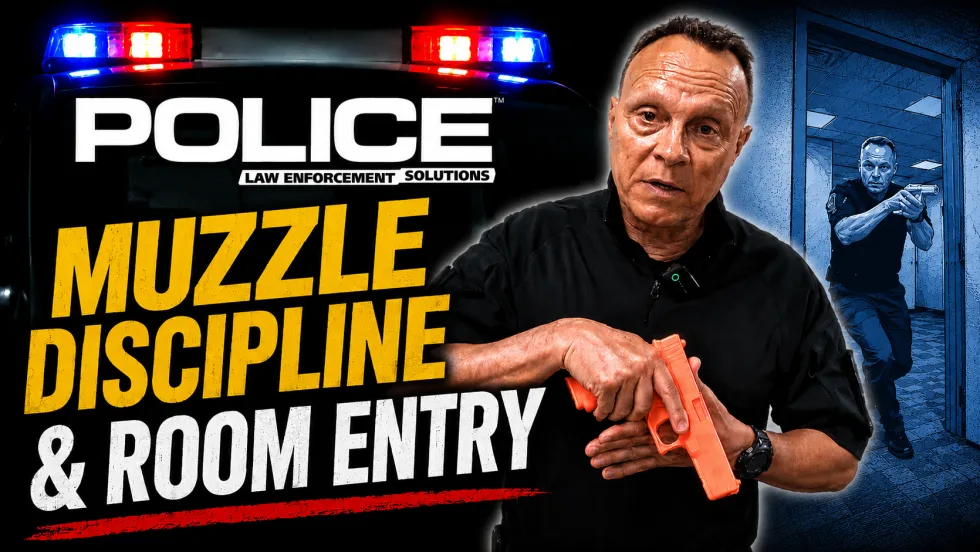
High Compressed Ready Explained | Muzzle Control For Room Entry
In this video, Mike Willis, law enforcement national training and program director for the United States Deputy Sheriffs’ Association, demonstrates the high compressed ready position and discusses muzzle control during room entry.
Read More →
Why Attend the DroneSense Innovation Summit by Versaterm?
Let’s hear from Ryan Bracken, head of product, about why your agency should send someone to the first annual DroneSense Innovation Summit by Versaterm in April.
Read More →
Caswell Live Fire Spins Off from InVeris
Caswell Live Fire has spun off from parent company InVeris, coinciding with the 100th anniversary of Caswell’s founding. Over the past 100 years, Caswell has developed pioneering solutions that support military, law enforcement, and commercial clients worldwide.
Read More →
When Do You Transport a Wounded Officer Instead of Waiting for EMS?
Thumbnail for video series POLICE Topics, Tactics & Tips with a yellow headline that reads When Do You Transport a Wounded Officer Instead of Waiting for EMS?
Read More →
How to Pick Your High-Risk Stop Location for Tactical Advantage
Hear veteran trainer Mike Willis, of the United States Deputy Sheriff’s Association, explain several considerations that can help you wisely pick your best spot to initiate high-risk or felony traffic stops.
Read More →
Coffee Break with Police Experts: Using Your Patrol Vehicle for Cover
In this video, hear from Dustin Mowery, a product specialist at Team Wendy, as he discusses how to best use a patrol vehicle for cover.
Read More →