



Are You Having a Heart Attack?
Not all heart attacks begin with the sudden, crushing chest pain that often is seen on television or in the movies. In one study, one-third of the patients who had heart attacks felt no chest pain.

A heart attack occurs when blood flow to the coronary arteries in your heart become blocked for a long enough period of time that a portion of the heart muscle is starved of oxygen and becomes damaged or dies.
The most common cause of a heart attack is plaque. This plaque builds up in the walls of the coronary arteries and blood platelets stick to tears in the plaque to form a blood clot that blocks blood from flowing to the heart.
Your best defense against a heart attack is to live a healthy lifestyle. You also need to know the symptoms of a heart attack and how to respond if you think you are having one.
Symptoms
Not all heart attacks begin with the sudden, crushing chest pain that often is seen on television or in the movies. In one study, one-third of the patients who had heart attacks felt no chest pain.
The symptoms of a heart attack can vary from person to person. Heart attacks can start slowly and cause only mild pain or discomfort. Symptoms can be mild or more intense and sudden. Symptoms also may come and go over several hours. People who have high blood sugar may have no symptoms at all.
The most common symptom, in both men and women, is chest pain or discomfort.
Women are somewhat more likely to have shortness of breath, nausea and vomiting, unusual tiredness often for days, and pain in the back, shoulders, and jaw.
Heart attacks may occur when you are resting or asleep, after a sudden increase in physical activity, or after sudden, severe emotional or physical stress.
You may feel the pain in only one part of your body, or it may move from your chest to your arms, shoulder, neck, teeth, jaw, belly area, or back. The pain can be severe or mild. The pain usually lasts longer than 20 minutes.
Symptoms of a heart attack may also go away and come back.
The following is a list of some common heart attack symptoms:
* A tight band around the chest
* Bad indigestion
* Something heavy sitting on your chest
* Squeezing or heavy pressure
* Light-headedness, dizziness
* Nausea or vomiting
* Shortness of breath
* Breaking out in a cold sweat
What to Do
If you think you are having a heart attack call 911 immediately.
While waiting for the ambulance to arrive:
Sit down and rest.
If there is someone with you, have them gather your medications or an updated list available for the paramedics.
If you have a prescription for nitroglycerin, take it as directed by your physician. Usually, you put a tablet under your tongue and let it dissolve. Do not take nitroglycerine within 36 hours of taking erectile dysfunction drugs unless directed by your doctor as these may cause a significant drop in blood pressure and worsen your condition.
Quick Action Can Save Your Life: Call 911
Lawrence Heiskell, MD, FACEP,FAAFP is an emergency physician and a veteran reserve police officer with the Palm Springs (Calif.) Police Department. He is the founder and medical director of the International School of Tactical Medicine.
Related Article:
Heart Trouble
More Patrol

Team Wendy Introduces the EXFIL Endurance Ballistic Helmet, Engineered to Reduce the Burden of Extended Wear
Team Wendy has launched its EXFIL Endurance, a new lightweight ballistic helmet engineered to deliver protection, comfort, and fit during demanding, extended operations.
Read More →
The First Responders Children’s Foundation National First Responders Day Roll Call of Heroes Ceremony Returns to Times Square, NYC
First Responders Children’s Foundation (FRCF), in collaboration with T-Mobile, will host the Roll Call of Heroes ceremony in Times Square to commemorate National First Responders Day on Wednesday, Oct. 28. During the event, FRCF will present 18 Hero Awards.
Read More →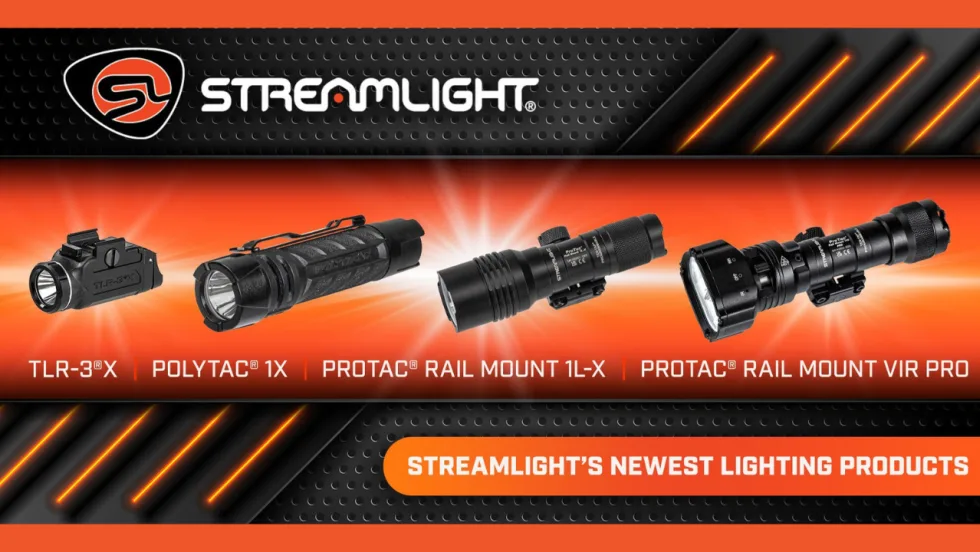
Streamlight to Showcase Newest Lighting Products for Law Enforcement Professionals at IACP 2026
Streamlight will showcase its newest lights for law enforcement at the International Association of Chiefs of Police Annual Conference & Expo. Featured lights will include the TLR-3 X, the PolyTac 1X, and more.
Read More →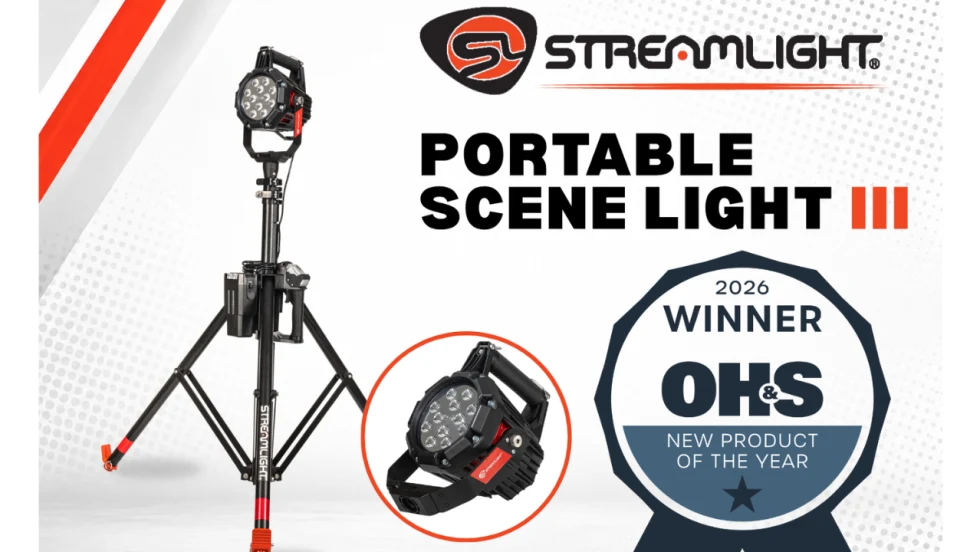
Streamlight Portable Scene Light III Wins 2026 OH&S New Product of the Year Award
Streamlight’s Portable Scene Light III has won the 2026 Occupational Health & Safety (OH&S) New Product of the Year Award in the Lighting category.
Read More →
Adept Armor Introduces Two New Rifle Plates
Adept Armor has launched two new Level IV ballistic plates, the Emperor and the Archon Mark 2, which brings Adept Armor’s new Quatroid ceramic to the high-threat, performance-value center of the range at 5.2 pounds.
Read More →
POLICE Product Test: Benchmade Bailout
The Benchmade Bailout is a slim, lightweight carry knife with a deep-ride pocket clip and comes in a variety of blade steels and scales. Here is a detailed review of the Taiga Green Bailout, released earlier this year.
Read More →
NLEOMF Announces July 2026 Officer of the Month
NLEOMF honored a Michigan deputy sheriff as the July 2026 Officer of the Month for rescuing a trapped driver from a burning vehicle following a Fourth of July crash.
Read More →
Streamlight to Showcase Newest Lighting Products at National Safety Council’s Safety Congress & Expo 2026
Streamlight will showcase its latest lights, including the Portable Scene Light III and the LiteBox 1Million, at the 2026 National Safety Council (NSC) Safety Congress & Expo.
Read More →
The 2027 World Police & Fire Games Set for Perth, Australia
The 2027 World Police & Fire Games (WPFG) will take place in Perth, Western Australia, from Friday, March 12 through Sunday, March 21, 2027.
Read More →
5.11 Partners with National Fallen Firefighters Foundation to Support #ForThe343
5.11 has joined the nationwide movement honoring the 343 New York City Fire Department firefighters lost on Sept. 11, 2001.
Read More →