



Arab American Concerns
Fortunately, research and progressive thinking have yielded some promising practices for bridging the gap to the Arab American community. Many of these ideas are rooted in pre-existing community policing concepts.

The terrorist attacks on 9/11 forever altered the United States. Every person, every community in this country was affected, but the events particularly impacted the law enforcement and Arab American communities. This year the end of September coincides with the Muslim holy season of Ramadan, which is special to many Arabs. This is a good opportunity to review how law enforcement may better police the Arab American community.
After 9/11, law enforcement was under tremendous pressure to prevent another attack on U.S. soil. Many national security experts realized that local police officers were the first and last line of defense against terrorist attacks. Because they work within communities on a daily basis, they can be a rich source of information and intelligence.
While a vigilant and proactive officer can detect illegal terrorist activities at many different levels, he or she must also serve the Arab American community. Patrol officers walk a thin line, ferreting out criminals while still serving the rest of the community. It is an important but very difficult balancing act.
After the attacks on 9/11, the law abiding element of the Arab American community was very concerned with retaliation and heightened scrutiny. To the credit of American law enforcement, there have been very few reports of physical or constitutional abuse of Arab Americans.
Suspicion and Distrust
Some members of the Arab American community did report an uptick in vandalism and discrimination. Still, reports indicate that heightened scrutiny is still the greatest concern of Arab Americans. They feel they are being viewed with suspicion, which causes them to view the government with suspicion. This distrust is cited as the most common barrier to good community-police relations—and it certainly does not make patrol officers' jobs any easier.
This distrust can have several roots. Certainly if a police department or a certain officer uses heavy-handed tactics with members of a community, distrust will grow. But in the case of Arab Americans, it may simply be a holdover from experiences under the tyrannical governments they escaped by fleeing to the United States.
Recent immigrants who have left oppressive regimes do not view law enforcement as a positive force. In authoritarian, dictatorial regimes the police do not enforce the law fairly but rather act as agents of the brutal government. Some immigrants may be of questionable immigration status, which could also heighten tension. Don't take the distrust personally, but rather realize much of it was born out of experiences in another part of the world.
Bridge the Gap
Fortunately, research and progressive thinking have yielded some promising practices for bridging the gap to the Arab American community. Many of these ideas are rooted in pre-existing community policing concepts. They require institutional support from the very top of a police agency but are implemented at every level, particularly the patrol level.
The bottom line to eliminating distrust is more interaction between the communities. Law enforcement must reach out to the Arab American community and the Arab American community should welcome the law enforcement community. This will have to be accomplished in small steps, but there is much a police agency can do to promote interaction.
Encourage your police department to schedule regular meetings in Arab American communities. Work with a liaison from the community to plan the meeting. To foster goodwill, it should take place in the community, not at police headquarters. Design the meeting agenda to expose ideas on both sides and formulate workable, mutually satisfying solutions.
Schedule meetings at suitable times (remember, the Muslim day of worship begins around mid-day on Friday). Patrol officers should be invited and their input should be encouraged. These meetings will illuminate concerns that can be quickly addressed by a police agency and some concerns that are outside the purview of police services.
The overall goal is to promote understanding through accessibility. If your agency is located in a geographically concentrated Arab American community, it may be advantageous to appoint a special liaison officer. This officer would deal exclusively with issues pertaining to the Arab American community. He or she would field their concerns and respond with accurate information, serving as a conduit of information both to and from the community. The information he disseminated would reduce rumors and the contacts she made could prove invaluable. The liaison would need to have a good working knowledge of the Arab American culture and should speak the language.
Promote Learning
A liaison officer should not be the only one on your department schooled in Arab American culture. Consider providing cultural awareness classes to teach your agency's officers the best way to handle different situations. These classes would help educate the officers as to the subtleties of the community and teach them how to do their job safely and more effectively. Your agency can organize these courses with the cooperation of community representatives.
Your agency should also consider compensating officers who educate themselves about the Arab American community and culture. Certainly an officer who speaks pertinent dialects is an extra asset to the department; he should receive extra compensation. The department should make arrangements with learning institutions to make language and cultural studies accessible and affordable.
In absence of officers who are linguistically fluent, your police department may want to reach out to responsible members of the Arab American community willing to serve as translators during police interventions. A translator's task can be as easy as providing directions or as stressful as working with the hostage negotiation team during an active situation. A progressive department does not want to wait for a barricaded suspect situation to find out there is no one available who can communicate with the suspect.
Pamphlets or informative E-mails can be used to communicate with many members of the community. Pamphlets can clarify departmental policies and highlight specific laws of interest to the community. For example, they can serve as a tool to educate the Arab American community as to what their rights are in the United States as well as outline their responsibilities so they know what is expected of them during a police intervention.
Like all relationships, that between police and the Arab American community must be slowly cultivated. Direct two-way communication is certainly a positive first step. After years of miscommunication and mistrust, let's use the holy season of Ramadan to begin to heal the fractures between the police and the Arab American community.
Det. Joseph Petrocelli is a 20-year veteran of New Jersey law enforcement. He can be contacted through SAFECOPS.com.
More Patrol
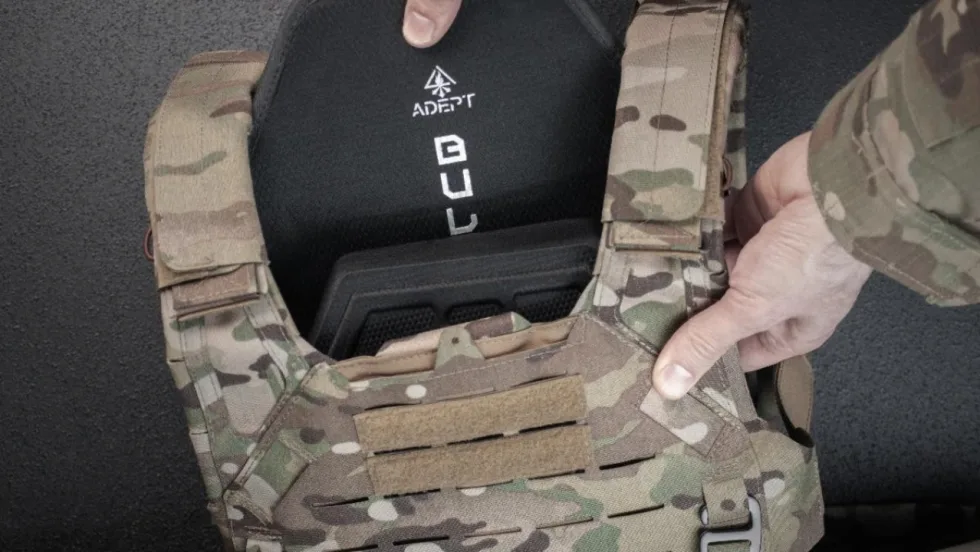
Adept Armor Introduces Two New Rifle Plates
Adept Armor has launched two new Level IV ballistic plates, the Emperor and the Archon Mark 2, which brings Adept Armor’s new Quatroid ceramic to the high-threat, performance-value center of the range at 5.2 pounds.
Read More →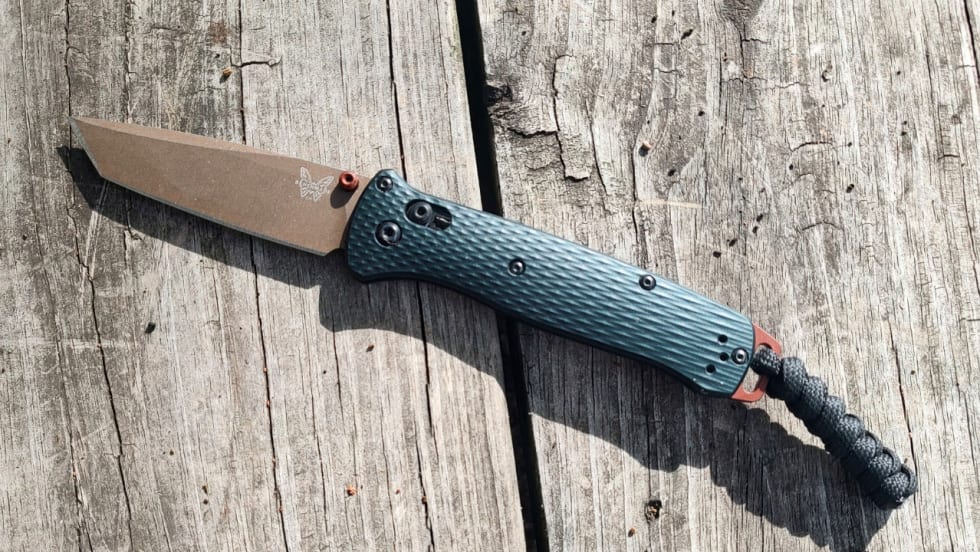
POLICE Product Test: Benchmade Bailout
The Benchmade Bailout is a slim, lightweight carry knife with a deep-ride pocket clip and comes in a variety of blade steels and scales. Here is a detailed review of the Taiga Green Bailout, released earlier this year.
Read More →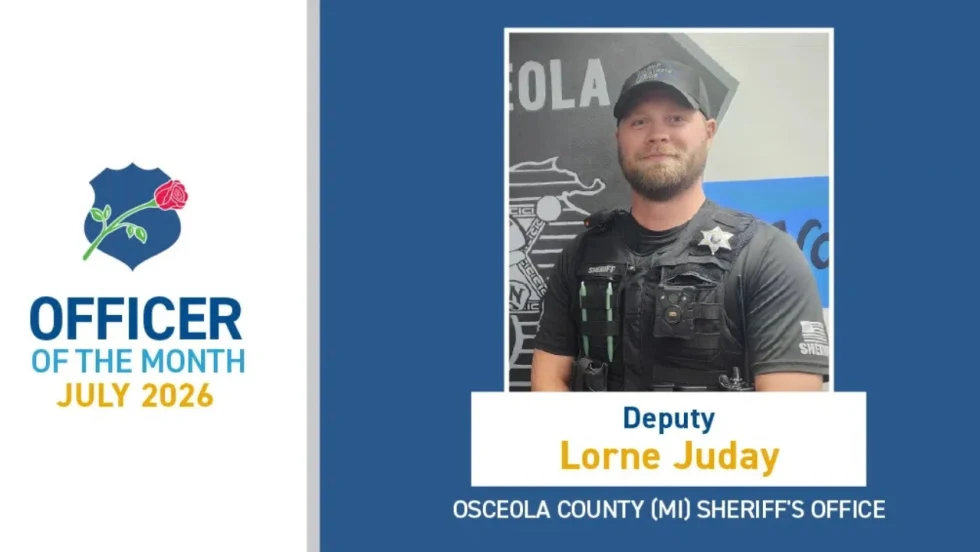
NLEOMF Announces July 2026 Officer of the Month
NLEOMF honored a Michigan deputy sheriff as the July 2026 Officer of the Month for rescuing a trapped driver from a burning vehicle following a Fourth of July crash.
Read More →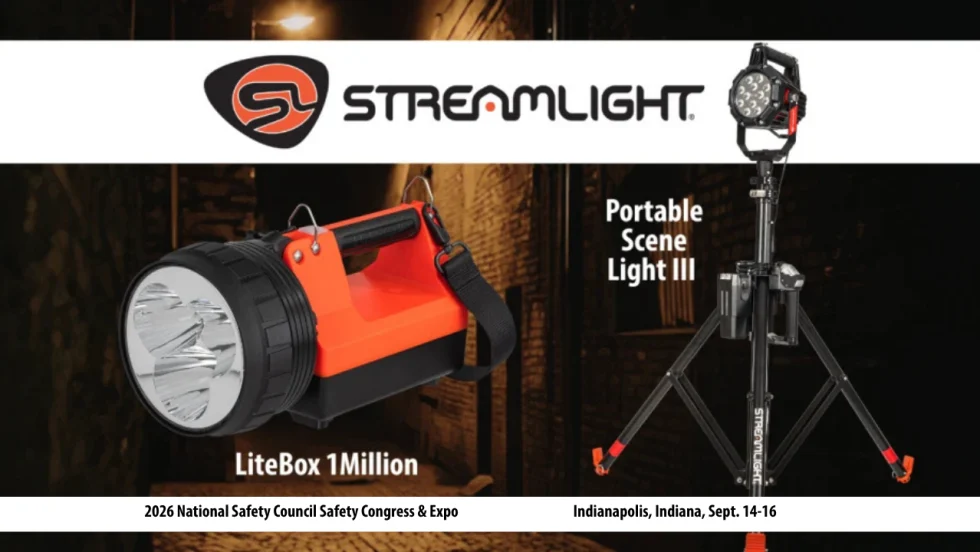
Streamlight to Showcase Newest Lighting Products at National Safety Council’s Safety Congress & Expo 2026
Streamlight will showcase its latest lights, including the Portable Scene Light III and the LiteBox 1Million, at the 2026 National Safety Council (NSC) Safety Congress & Expo.
Read More →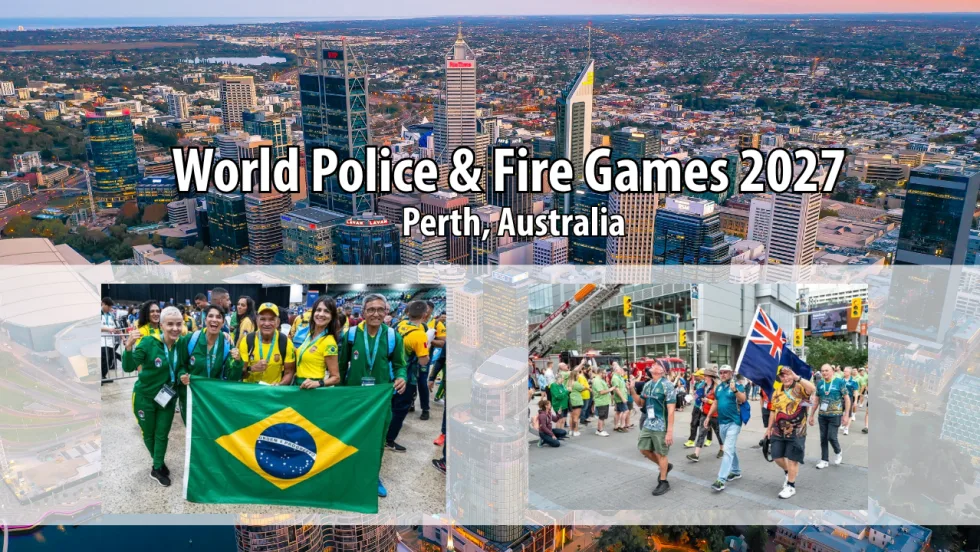
The 2027 World Police & Fire Games Set for Perth, Australia
The 2027 World Police & Fire Games (WPFG) will take place in Perth, Western Australia, from Friday, March 12 through Sunday, March 21, 2027.
Read More →
5.11 Partners with National Fallen Firefighters Foundation to Support #ForThe343
5.11 has joined the nationwide movement honoring the 343 New York City Fire Department firefighters lost on Sept. 11, 2001.
Read More →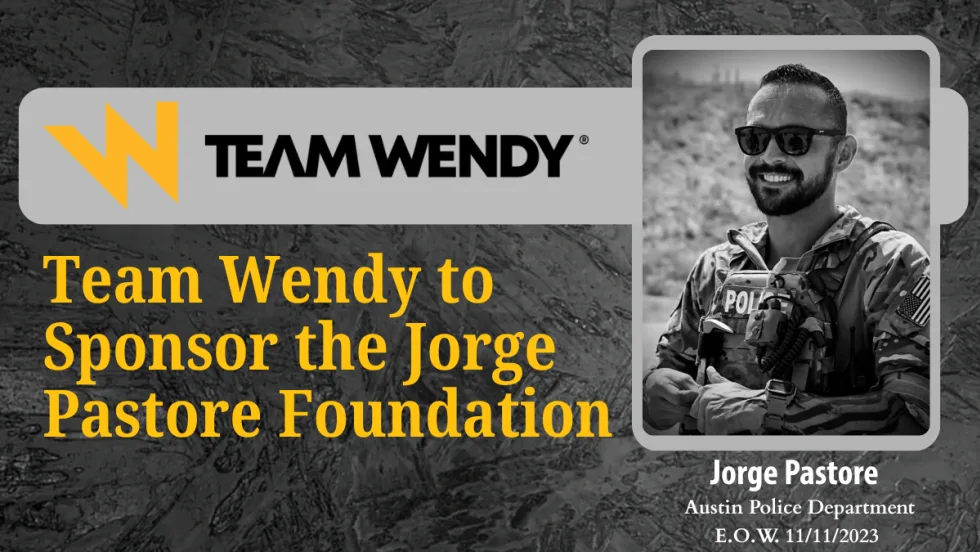
Team Wendy Announces Title Sponsorship of the Jorge Pastore Foundation
Team Wendy’s 3-year partnership with the Jorge Pastore Foundation expands access to programs that strengthen those who serve.
Read More →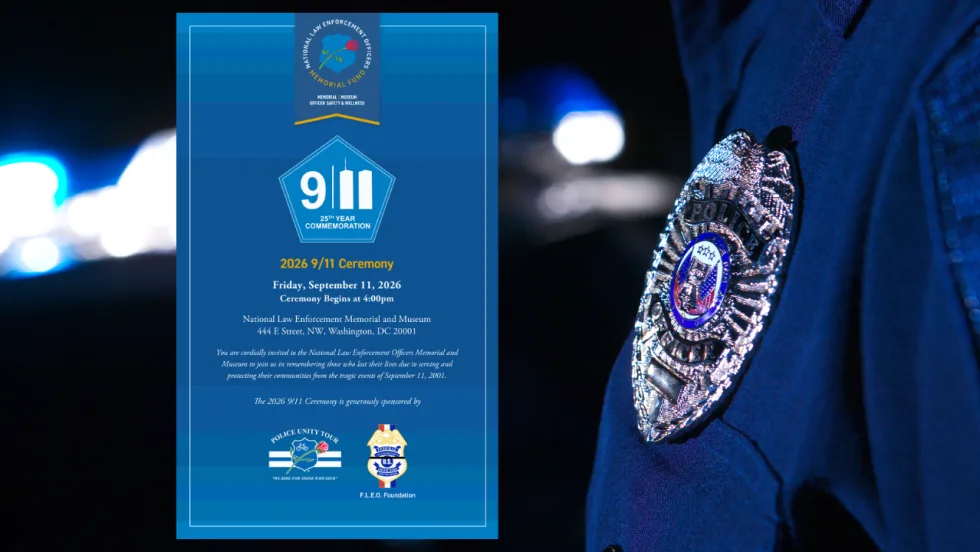
National Law Enforcement Memorial and Museum Hosting 9/11 25th-Year Commemoration Ceremony
The National Law Enforcement Memorial and Museum is hosting a 9/11 25th Year Commemoration Ceremony on Sept. 11 at 4 p.m.
Read More →
National Law Enforcement Officers Memorial Fund Announces June 2026 Officers of the Month
The National Law Enforcement Officers Memorial Fund (NLEOMF) named 15 officers of the Chico Police Department (California) as the Officers of the Month for June 2026 for their roles in responding to an active-shooter incident at a public library.
Read More →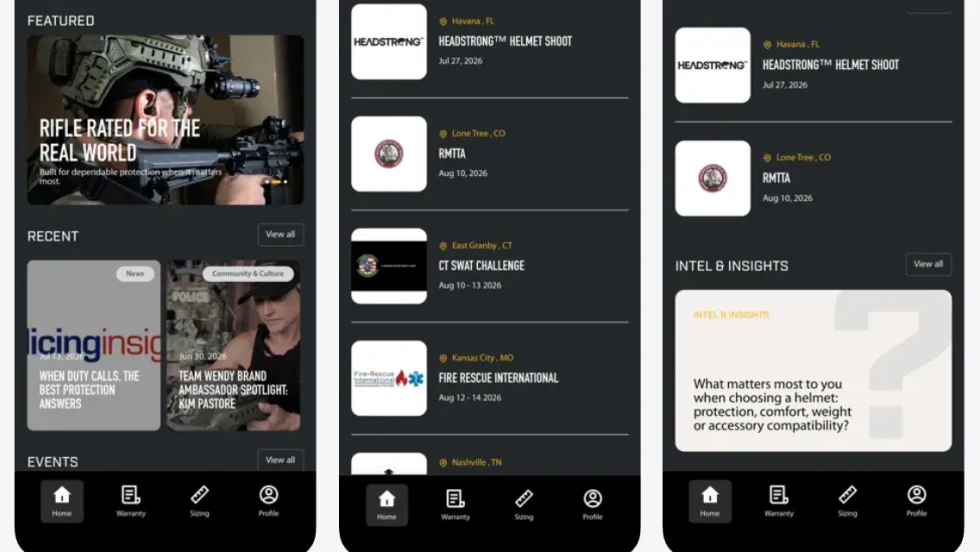
Team Wendy App Creates New Digital Hub for Helmet Owners
The Team Wendy Community App provides one location for warranty registration, size-fit tools, product updates, and community connection. For helmet owners, the new app creates a simpler path to the information and tools that matter most.
Read More →