



Neighborhood Watch Goes Online
Internet technology is allowing citizens to help police catch criminals.

Internet technology is allowing citizens to help police catch criminals.
“Over the last few years there’s been a lot more use of citizens in police work,” explains Jacqueline Helfgott, associate professor of criminal justice at Seattle University in Washington state. “Police cannot do it all, so now the Internet can help citizens get involved with their community’s police force.”
Police in the small town of Fairmont, Minn., posted a most wanted list on the department’s Website and publicized the site in the newspaper. Four of the ten people posted were apprehended in the first week with the help of citizens’ tips.
In Medina, Wash., a bedroom community east of Seattle, Chief Michael Knapp created a Community E-Lert program, which sends e-mails to 1,200 subscribers in the area.
“It changes policing because we involve the community in a partnership – in addressing the criminal problems of our city,” Knapp says. “When you do that you’re going to become more efficient.”
E-Lerts have also encouraged citizens, Knapp says, to give police feedback on what they think of police work in their community.
Bill Berger, North Miami Beach, Fla., and a past president of the International Association of Chiefs of Police, believes the nature of the Internet encourages more citizen involvement.
“A lot of times people don’t want to get involved,” he says. “But something about the anonymity of the Internet makes citizen participation easier. They can e-mail information, say to us, ‘Here – check this out.’ It’s almost like it creates a veil, an extra level of distance and safety.”
More Training
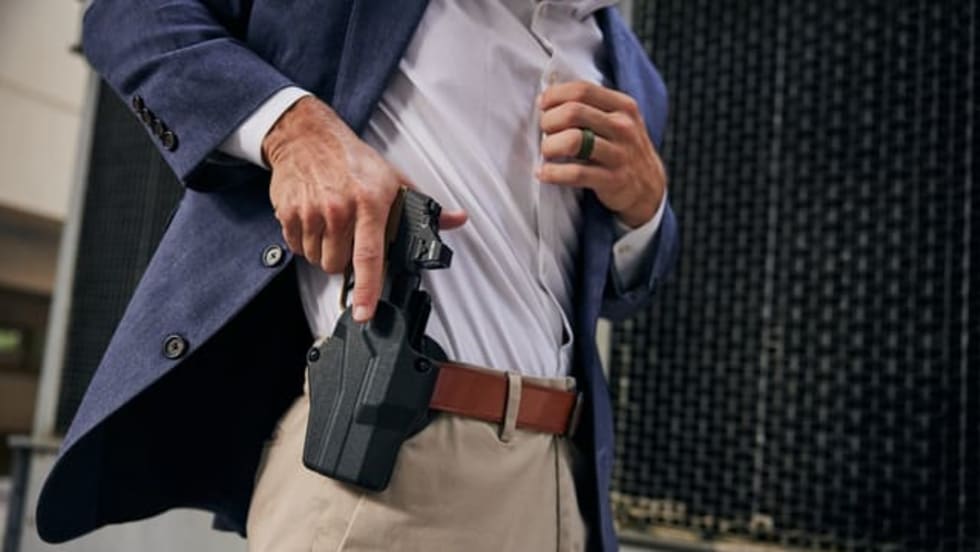
Safariland Solis Rethinks Concealable Duty
What if Level I retention didn’t require a full duty rig? Safariland’s Solis delivers trusted ALS security in a streamlined OWB platform built for administrative and plainclothes professionals who need protection without the bulk.
Read More →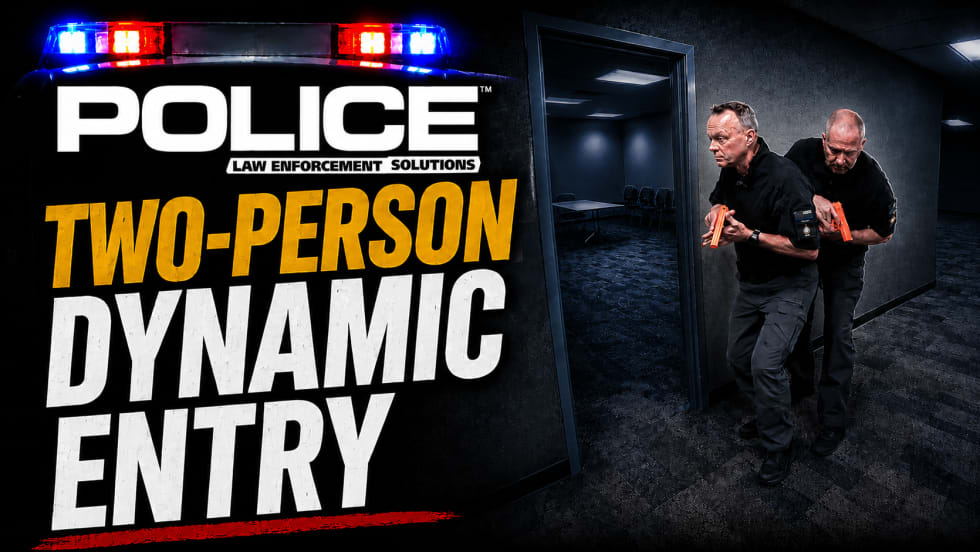
Two-Officer Tactical Doorway Entry Techniques
Entering a room during active-threat situations requires communication, coordination, and disciplined tactical movement. In this video, trainers from the United States Deputy Sheriff’s Association demonstrate critical room entry concepts, including fatal funnel awareness, team coordination, and safe tactical movement.
Read More →
High Compressed Ready Explained | Muzzle Control For Room Entry
In this video, Mike Willis, law enforcement national training and program director for the United States Deputy Sheriffs’ Association, demonstrates the high compressed ready position and discusses muzzle control during room entry.
Read More →
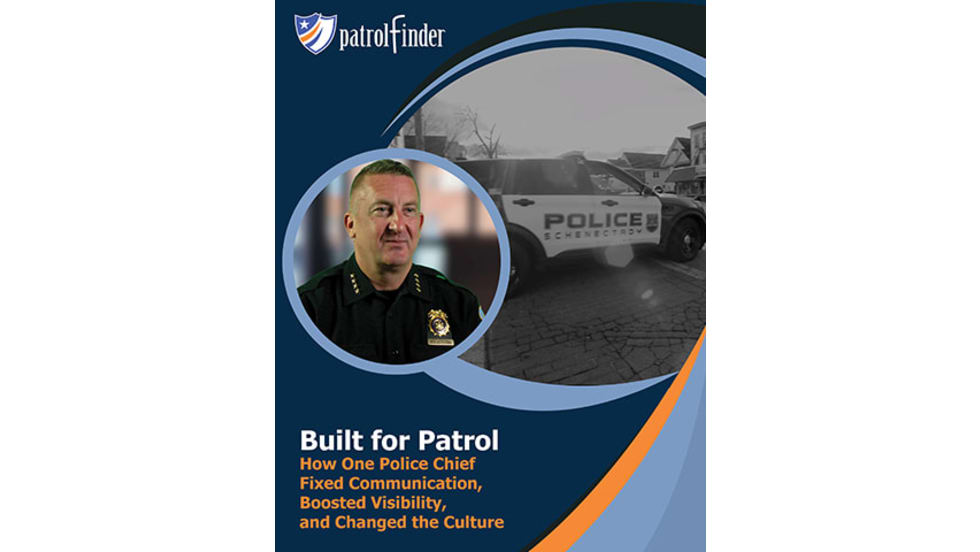
Built for Patrol: How One Police Chief Fixed Communication, Boosted Visibility, and Changed the Culture
Patrol work hasn’t changed—but the expectations on officers have. See how one police chief helped officers get the right information at the right time, improve patrol visibility, and strengthen trust without adding complexity or surveillance. This real-world story shows how patrol-driven technology can make the job safer, smarter, and more effective—starting on day one.
Read More →
Why Attend the DroneSense Innovation Summit by Versaterm?
Let’s hear from Ryan Bracken, head of product, about why your agency should send someone to the first annual DroneSense Innovation Summit by Versaterm in April.
Read More →
Caswell Live Fire Spins Off from InVeris
Caswell Live Fire has spun off from parent company InVeris, coinciding with the 100th anniversary of Caswell’s founding. Over the past 100 years, Caswell has developed pioneering solutions that support military, law enforcement, and commercial clients worldwide.
Read More →
When Do You Transport a Wounded Officer Instead of Waiting for EMS?
Thumbnail for video series POLICE Topics, Tactics & Tips with a yellow headline that reads When Do You Transport a Wounded Officer Instead of Waiting for EMS?
Read More →
How to Pick Your High-Risk Stop Location for Tactical Advantage
Hear veteran trainer Mike Willis, of the United States Deputy Sheriff’s Association, explain several considerations that can help you wisely pick your best spot to initiate high-risk or felony traffic stops.
Read More →
Coffee Break with Police Experts: Using Your Patrol Vehicle for Cover
In this video, hear from Dustin Mowery, a product specialist at Team Wendy, as he discusses how to best use a patrol vehicle for cover.
Read More →
Preventing Blue-on-Blue Shootings
In this video, Mike Willis, law enforcement national training and program director, United States Deputy Sheriff’s Association, discusses how to prevent blue-on-blue shootings.
Read More →