



Gunmaker and Shop Settle with D.C. Sniper Victims
The United States manufacturer of the rifle used in a sniper shooting spree in the Washington, D.C.-area in 2002 and the shop that lost track of the weapon have agreed to pay a collective sum of $2.5 million to victims.

The United States manufacturer of the rifle used in a sniper shooting spree in the Washington, D.C.-area in 2002 and the shop that lost track of the weapon have agreed to pay a collective sum of $2.5 million to victims. John Muhammad and Lee Malvo were convicted last year for their shooting spree that killed 10 people and injured three. The settlement for eight victims of the shootings was the first of its kind by a gun manufacturer accused of negligent distribution of firearms, say lawyers involved in the case. The Brady Center to Prevent Gun Violence brought the suit on behalf of the victims. Bushmaster Firearms Inc. of Windham, Maine, agreed to pay $500,000 to the families of six victims and two survivors of the shootings. The company’s Website states the payment does not indicate any wrongdoing on the part of Bushmaster. A gun shop in Tacoma, Wash., has agreed to pay $2 million to victims and their families. The shop admits to having lost track of the Bushmaster rifle used in the sniper shootings, saying the weapon disappeared from the business. Some fear this settlement could set a precedent leaving the door open for gun manufacturers to be held accountable any time their weapons are used in crimes. Others, including those at the Brady Center, say this case didn’t go far enough.
More Training
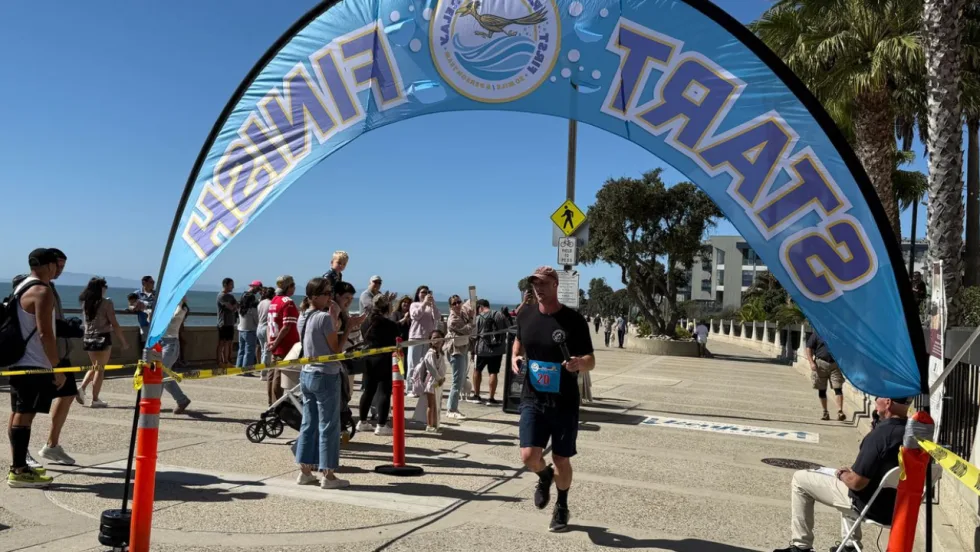
Registration Underway for Sixth Annual First Responders Relay
The California Police Athletic Federation’s annual First Responder Relay will welcome first responder teams from across the globe to compete along Ventura's scenic coastline on Oct. 11. Registration is underway.
Read More →
Vector Solutions Launches Comprehensive Online Dispatch Training Catalog for Emergency Communications Professionals
Vector Solutions’ new catalog of 35 expert-developed online courses can help emergency communication centers strengthen training, meet certification requirements, and simplify continuing education.
Read More →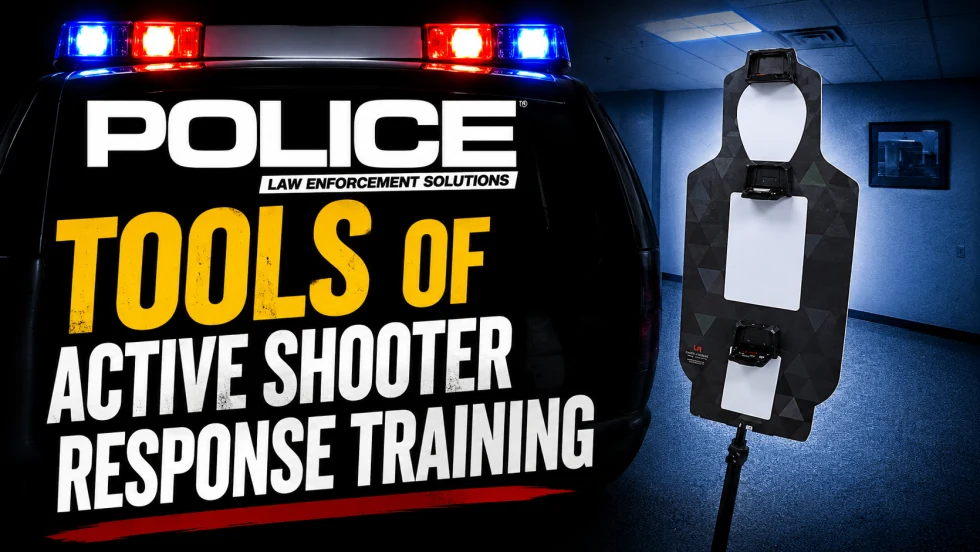
Tools for Active Shooter Response Training
What technologies help prepare officers for active shooter response situations? This behind-the-scenes look at law enforcement training explores shot simulators, smart firearms, laser target systems, and the tools used to build safer, more effective training environments.
Read More →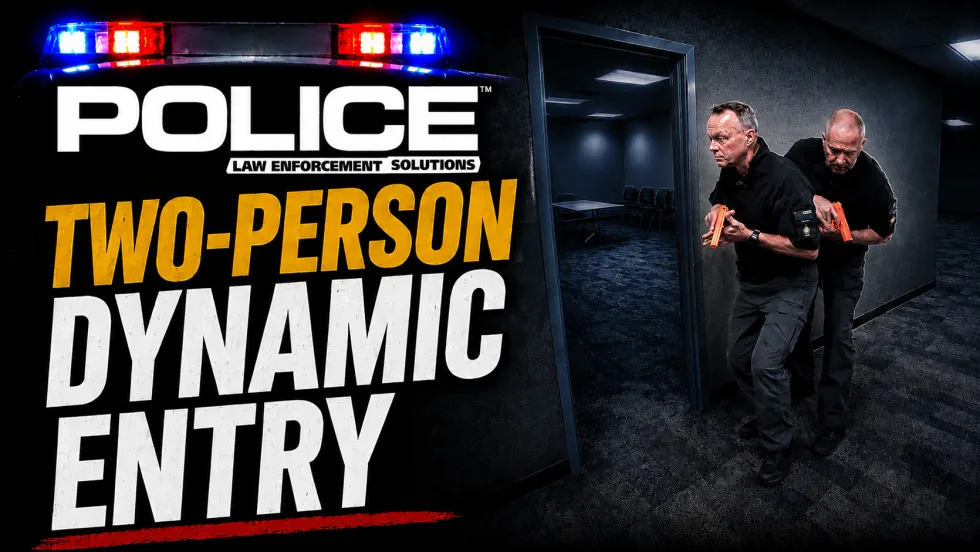
Two-Officer Tactical Doorway Entry Techniques
Entering a room during active-threat situations requires communication, coordination, and disciplined tactical movement. In this video, trainers from the United States Deputy Sheriff’s Association demonstrate critical room entry concepts, including fatal funnel awareness, team coordination, and safe tactical movement.
Read More →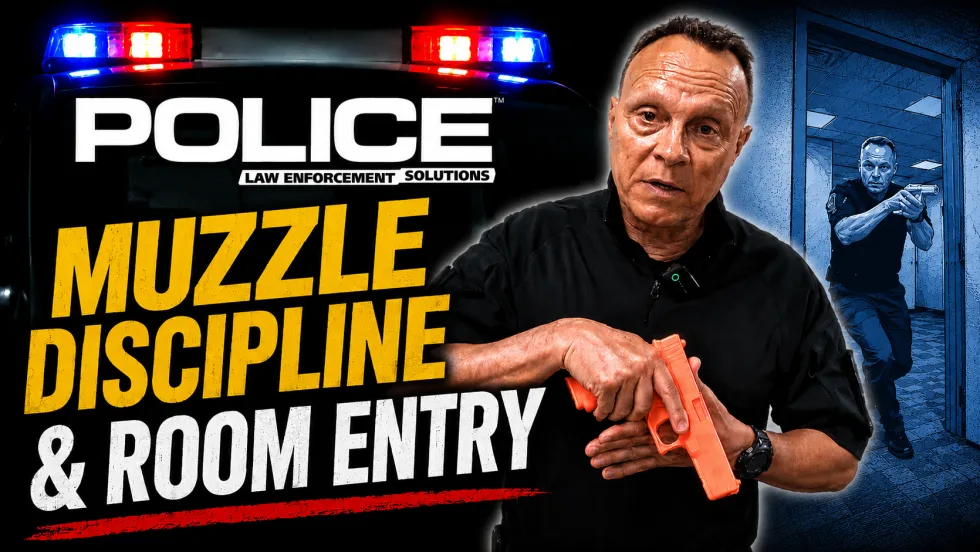
High Compressed Ready Explained | Muzzle Control For Room Entry
In this video, Mike Willis, law enforcement national training and program director for the United States Deputy Sheriffs’ Association, demonstrates the high compressed ready position and discusses muzzle control during room entry.
Read More →
Why Attend the DroneSense Innovation Summit by Versaterm?
Let’s hear from Ryan Bracken, head of product, about why your agency should send someone to the first annual DroneSense Innovation Summit by Versaterm in April.
Read More →
Caswell Live Fire Spins Off from InVeris
Caswell Live Fire has spun off from parent company InVeris, coinciding with the 100th anniversary of Caswell’s founding. Over the past 100 years, Caswell has developed pioneering solutions that support military, law enforcement, and commercial clients worldwide.
Read More →
When Do You Transport a Wounded Officer Instead of Waiting for EMS?
Thumbnail for video series POLICE Topics, Tactics & Tips with a yellow headline that reads When Do You Transport a Wounded Officer Instead of Waiting for EMS?
Read More →
How to Pick Your High-Risk Stop Location for Tactical Advantage
Hear veteran trainer Mike Willis, of the United States Deputy Sheriff’s Association, explain several considerations that can help you wisely pick your best spot to initiate high-risk or felony traffic stops.
Read More →
Coffee Break with Police Experts: Using Your Patrol Vehicle for Cover
In this video, hear from Dustin Mowery, a product specialist at Team Wendy, as he discusses how to best use a patrol vehicle for cover.
Read More →