



Gang Graffiti, Crime Increase in Salt Lake City
Salt Lake City’s valleywide metro gang unit reports a marked increase in graffiti cases, along with an increase in gang crimes.

Salt Lake City’s valleywide metro gang unit reports a marked increase in graffiti cases, along with an increase in gang crimes.
Police officers have different theories on reasons for the increases.
Salt Lake City police Sgt. Rick Findlay believes it’s a combination of young gang members committing their first crimes—graffiti, larceny, and vehicle theft—and veteran gang members recently released from prison returning to the community and a criminal lifestyle.
Findlay says that graffiti can provide clues to crimes that gang members plan to commit. For this reason, he tries to see graffiti before it is cleaned from private businesses and homes.
But that must keep him pretty busy, because the metro gang unit’s statistics show a 21.9 percent increase in graffiti from 3,981 cases in 2002 to 4,854 cases last year. There has also been a 22.8 percent increase in other gang crime from 1,252 cases to 1,538 cases. And the beginning of 2004 doesn’t show a slow down in the number of gang crimes.
Lt. Andy Burton, who heads the metro unit, believes some of the increases reported may be due to more gang officers on the streets and more officers being able to recognize gang crimes, and thus report them as such.
Sgt. Jason Johnson, also with the metro unit, believes much of the gang activity is related to drugs.
Drive-by shootings have actually dropped 56.3 percent from 64 percent in 2002 to 28 percent in 2003. But Findlay doesn’t expect that trend to continue this year.
More Training
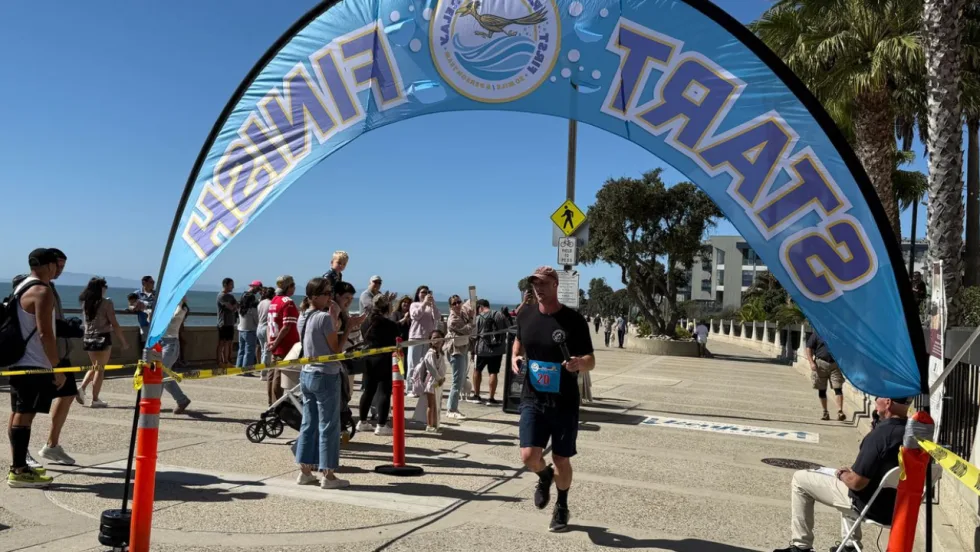
Registration Underway for Sixth Annual First Responders Relay
The California Police Athletic Federation’s annual First Responder Relay will welcome first responder teams from across the globe to compete along Ventura's scenic coastline on Oct. 11. Registration is underway.
Read More →
Vector Solutions Launches Comprehensive Online Dispatch Training Catalog for Emergency Communications Professionals
Vector Solutions’ new catalog of 35 expert-developed online courses can help emergency communication centers strengthen training, meet certification requirements, and simplify continuing education.
Read More →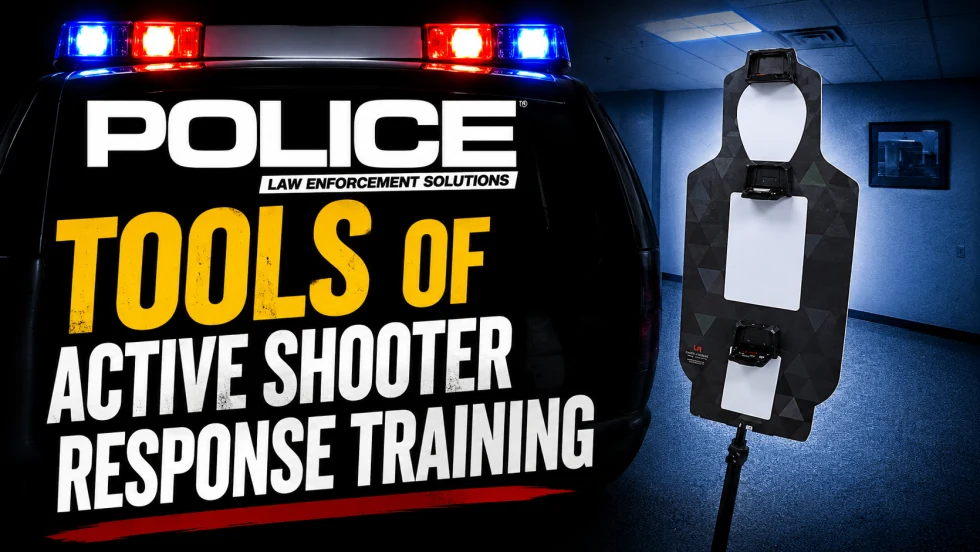
Tools for Active Shooter Response Training
What technologies help prepare officers for active shooter response situations? This behind-the-scenes look at law enforcement training explores shot simulators, smart firearms, laser target systems, and the tools used to build safer, more effective training environments.
Read More →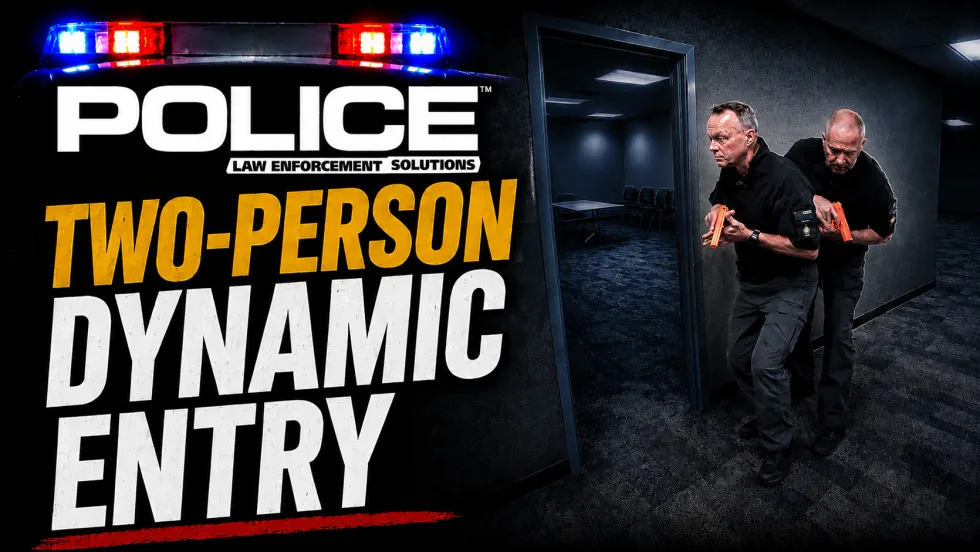
Two-Officer Tactical Doorway Entry Techniques
Entering a room during active-threat situations requires communication, coordination, and disciplined tactical movement. In this video, trainers from the United States Deputy Sheriff’s Association demonstrate critical room entry concepts, including fatal funnel awareness, team coordination, and safe tactical movement.
Read More →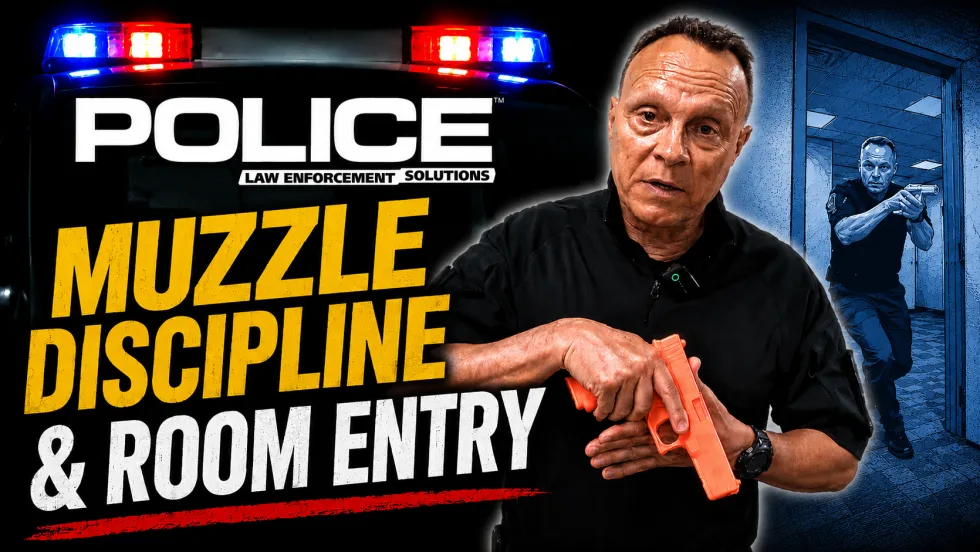
High Compressed Ready Explained | Muzzle Control For Room Entry
In this video, Mike Willis, law enforcement national training and program director for the United States Deputy Sheriffs’ Association, demonstrates the high compressed ready position and discusses muzzle control during room entry.
Read More →
Why Attend the DroneSense Innovation Summit by Versaterm?
Let’s hear from Ryan Bracken, head of product, about why your agency should send someone to the first annual DroneSense Innovation Summit by Versaterm in April.
Read More →
Caswell Live Fire Spins Off from InVeris
Caswell Live Fire has spun off from parent company InVeris, coinciding with the 100th anniversary of Caswell’s founding. Over the past 100 years, Caswell has developed pioneering solutions that support military, law enforcement, and commercial clients worldwide.
Read More →
When Do You Transport a Wounded Officer Instead of Waiting for EMS?
Thumbnail for video series POLICE Topics, Tactics & Tips with a yellow headline that reads When Do You Transport a Wounded Officer Instead of Waiting for EMS?
Read More →
How to Pick Your High-Risk Stop Location for Tactical Advantage
Hear veteran trainer Mike Willis, of the United States Deputy Sheriff’s Association, explain several considerations that can help you wisely pick your best spot to initiate high-risk or felony traffic stops.
Read More →
Coffee Break with Police Experts: Using Your Patrol Vehicle for Cover
In this video, hear from Dustin Mowery, a product specialist at Team Wendy, as he discusses how to best use a patrol vehicle for cover.
Read More →