



Rookie's Cool Thinking Quells a Deadly Encounter
The bar I now wear on my uniform serves as a daily reminder of how close I came to ending someone's life. My training taught me how to be an effective police officer.

It was a hot mid-summer evening when I took to the streets for another 10-hour tour of the unexpected. I had been a cop for seven months, although three of those months had been spent in training. My policing abilities had been minimally tested, but I had no idea how I would react to a life-threatening situation.
My partner Charlie and I were dispatched to a domestic disturbance in which a man was threatening to kill his wife and son. Upon arriving at the scene, Charlie and I approached the house cautiously and knocked on the door. It was opened slowly by a man who was dripping with blood and holding an ax in his hand. He said calmly, "We don't need any help," and slammed the door.
My partner forced an entry and went inside. I ran to the back of the house and radioed for more units.
Easing slowly onto the patio, I noticed that the sliding glass door was broken under my feet. With my gun drawn, I entered the home and heard Charlie order the man to drop his weapon. The suspect's body was covered with small gashes, apparently from running through the glass door.
His attention turned to me and he screamed, "Shoot me, cop. I want you to shoot me."
He repeated this wish again, drawing back his weapon as if ready to strike. I depressed the trigger on my gun when the man yelled,
"I want my son to watch you shoot me."
I eased off the trigger. "Here," I said, offering him a towel, "Let me help you. You're bleeding." He stopped, and I watched as he softened at my proposal.
I knew backup was on the way and tried desperately to keep him calm until they arrived. Charlie's eye contact told me that the man's wife and child were safe.
The suspect still refused to drop his weapon, became restless and moved into the kitchen, cornering himself. Our backup came through the front door, and we breathed a bit easier at their arrival.
One of the officers, Bob, spoke softly to the man, trying to gain his confidence while diverting his attention from our closing pattern. In a flash, Bob sprang and grabbed the weapon from him. His partner simultaneously grabbed the man's arms.
Charlie slid across the kitchen counter and joined the struggle. Already at their sides, I kicked the weapon out of the kitchen and drew out my handcuffs. I remember snapping the cuffs around the man's wrists as his hands were forced together by the men I admire most in the world. The "click" of the handcuffs brought a sense of relief to us all. He was quickly secured in a patrol car.
The pride I felt didn't set in until later, when I sat with the other officers to write the reports. I was awarded an accommodation bar for the events that occurred that day. I would have been legally justified in killing the man, but the accommodation was awarded because no one was hurt.
The bar I now wear on my uniform serves as a daily reminder of how close I came to ending someone's life. My training taught me how to be an effective police officer. It also taught me to keep a clear mind and caring heart in times of high stress. I love what my career stands for. I feel proud knowing that when a crisis arises, I have the common sense and good training to handle it correctly.
Linda Kirk is an officer with the Fort Pierce (Fla.) Police Department.
More Training
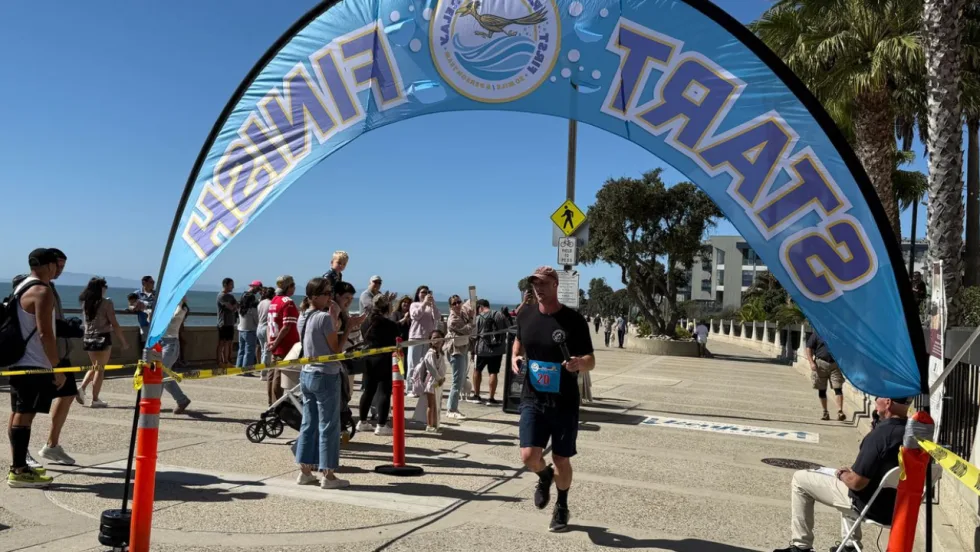
Registration Underway for Sixth Annual First Responders Relay
The California Police Athletic Federation’s annual First Responder Relay will welcome first responder teams from across the globe to compete along Ventura's scenic coastline on Oct. 11. Registration is underway.
Read More →
Vector Solutions Launches Comprehensive Online Dispatch Training Catalog for Emergency Communications Professionals
Vector Solutions’ new catalog of 35 expert-developed online courses can help emergency communication centers strengthen training, meet certification requirements, and simplify continuing education.
Read More →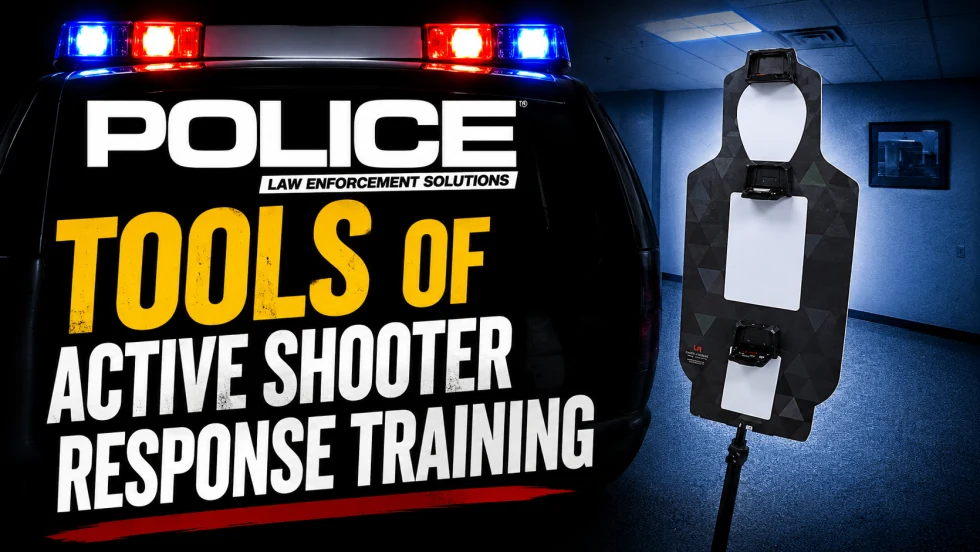
Tools for Active Shooter Response Training
What technologies help prepare officers for active shooter response situations? This behind-the-scenes look at law enforcement training explores shot simulators, smart firearms, laser target systems, and the tools used to build safer, more effective training environments.
Read More →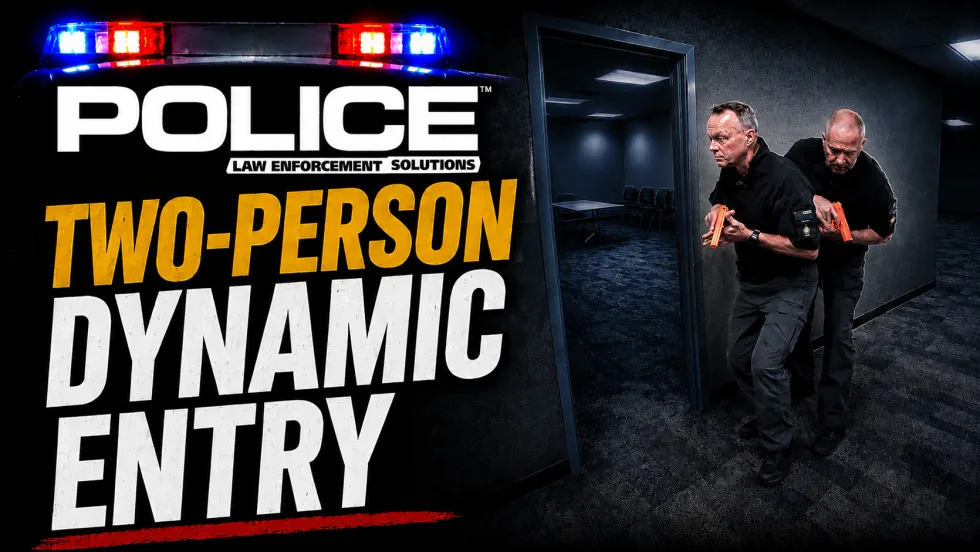
Two-Officer Tactical Doorway Entry Techniques
Entering a room during active-threat situations requires communication, coordination, and disciplined tactical movement. In this video, trainers from the United States Deputy Sheriff’s Association demonstrate critical room entry concepts, including fatal funnel awareness, team coordination, and safe tactical movement.
Read More →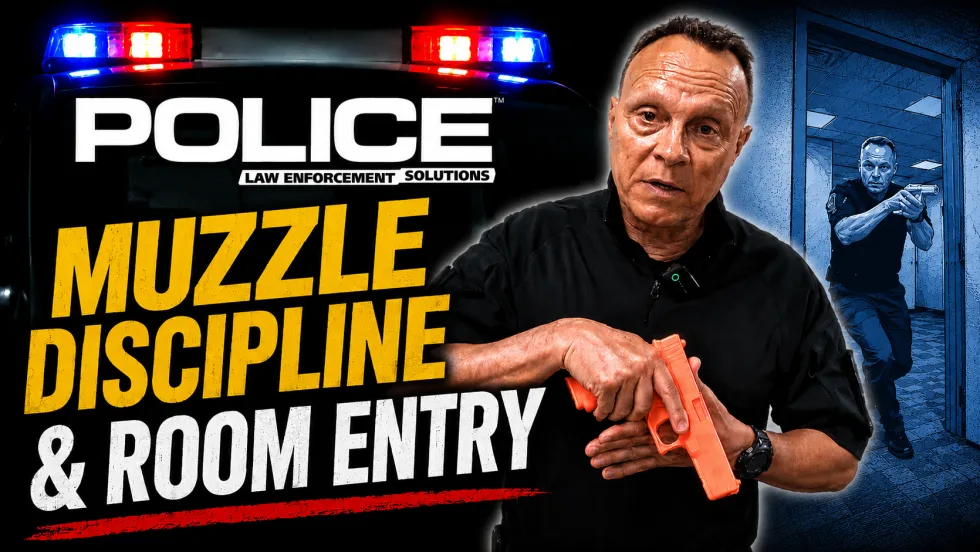
High Compressed Ready Explained | Muzzle Control For Room Entry
In this video, Mike Willis, law enforcement national training and program director for the United States Deputy Sheriffs’ Association, demonstrates the high compressed ready position and discusses muzzle control during room entry.
Read More →
Why Attend the DroneSense Innovation Summit by Versaterm?
Let’s hear from Ryan Bracken, head of product, about why your agency should send someone to the first annual DroneSense Innovation Summit by Versaterm in April.
Read More →
Caswell Live Fire Spins Off from InVeris
Caswell Live Fire has spun off from parent company InVeris, coinciding with the 100th anniversary of Caswell’s founding. Over the past 100 years, Caswell has developed pioneering solutions that support military, law enforcement, and commercial clients worldwide.
Read More →
When Do You Transport a Wounded Officer Instead of Waiting for EMS?
Thumbnail for video series POLICE Topics, Tactics & Tips with a yellow headline that reads When Do You Transport a Wounded Officer Instead of Waiting for EMS?
Read More →
How to Pick Your High-Risk Stop Location for Tactical Advantage
Hear veteran trainer Mike Willis, of the United States Deputy Sheriff’s Association, explain several considerations that can help you wisely pick your best spot to initiate high-risk or felony traffic stops.
Read More →
Coffee Break with Police Experts: Using Your Patrol Vehicle for Cover
In this video, hear from Dustin Mowery, a product specialist at Team Wendy, as he discusses how to best use a patrol vehicle for cover.
Read More →