



Where Did John Wayne Go?
John wayne was the hero of my youth. He won World War II, tamed the Wild West, and generally went through life kicking butt. We hardly even remembered or cared about the name of any of the characters he played; we just went to a John Wayne Movie…period, enough said.

"God grants liberty to those who love it and are always ready to guard and defend it!"—Daniel Webster
John wayne was the hero of my youth. He won World War II, tamed the Wild West, and generally went through life kicking butt. We hardly even remembered or cared about the name of any of the characters he played; we just went to a John Wayne Movie…period, enough said.
Then in the late 1960s, movies began to change. The anti-war movement, anti-West academia, and anti-authoritarian philosophy reshaped the image of the American hero to the anti-hero who stood against "The Man." By the time I graduated from college and became "The Man," law enforcement and almost all the warrior images of our culture had been denigrated to the point of derision by the elites.
No longer did the true hero fight for the American way; he or she exposed the evil "Military-Industrial Complex." No longer did the hero put on a uniform and fight crime. In fact, in most movies of the 1970s, the uniformed police officer became the symbol of oppression. I can remember driving proudly by my Alma Mater, The People's University of Arizona, on my way to my beat as a rookie and having former classmates oinking loudly at the faceless oppressor of the people driving by on his way to suppress somebody's rights somewhere.
Since I had minored in sociology to keep my grade point up, I decided to study the social phenomena leading to the loss of the heroic image. I have never found the answers to all my questions as to why free societies entertain the very beliefs that eventually will destroy their essential freedoms, but if you study history you find democracies tend to do this. That's why we were founded as a republic, not a democracy.
But every once in a while, the American people get a reminder of what's at stake in the world. For this generation, it was the 9/11 attacks. Since that day, there's been a real rebirth of the traditional view of the hero in American popular culture. The epitome of this new American hero is Jack Bauer on the hit TV show "24." This fellow kills bad guys without remorse, laments the loss of his heroic friends, and generally foils plots to destroy us.
You have to suspend disbelief while watching "24." Nobody could survive a single hour of Jack Bauer's adventures, much less a full 24-hour day of them. But the show is damn fun entertainment and one hell of an interesting morality play. On "24," good is good, bad is bad. There is no relativism, no anti-hero, no anti-establishment, no "we are the cause of our own enemies" malarkey. This is good old-fashioned Western-style justice being meted out by this generation's stoic warrior.
Ultimately, I believe it's important that our popular culture promote the image of the American warrior as a hero. Our fate as a free people depends on heroes: the warriors, soldiers, sailors, Marines, airmen, and cops like you. The challenge of today is to keep faith in our mission of freedom and not surrender to the coming storm of animosity toward the heroes who serve and protect.
John Wayne is long dead and whatever happens to Jack Bauer, "24" is just a television show. In the real world today, in Afghanistan, Iraq, and here in America, warriors pick up their weapons and go on a mission. Before you go on yours, take a moment to look in the mirror and see a real hero.
More Training
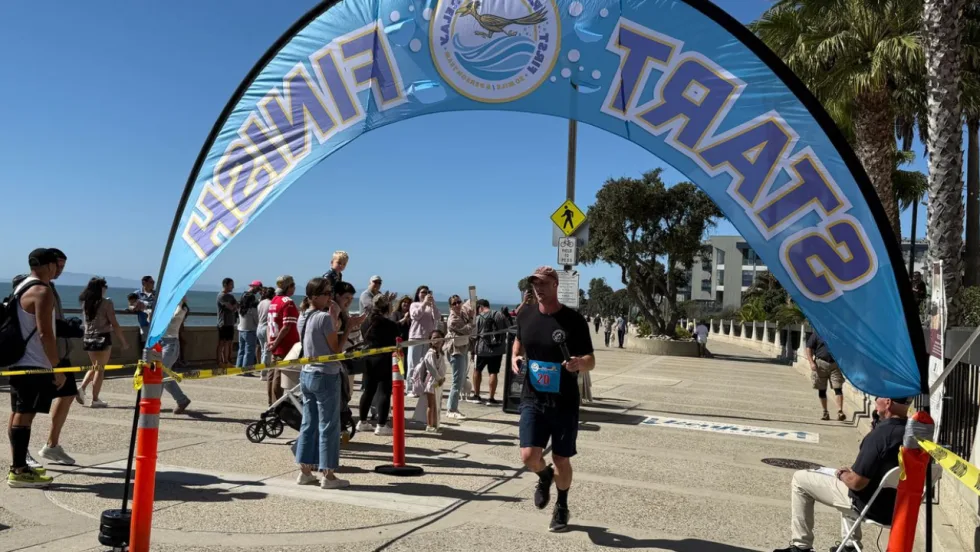
Registration Underway for Sixth Annual First Responders Relay
The California Police Athletic Federation’s annual First Responder Relay will welcome first responder teams from across the globe to compete along Ventura's scenic coastline on Oct. 11. Registration is underway.
Read More →
Vector Solutions Launches Comprehensive Online Dispatch Training Catalog for Emergency Communications Professionals
Vector Solutions’ new catalog of 35 expert-developed online courses can help emergency communication centers strengthen training, meet certification requirements, and simplify continuing education.
Read More →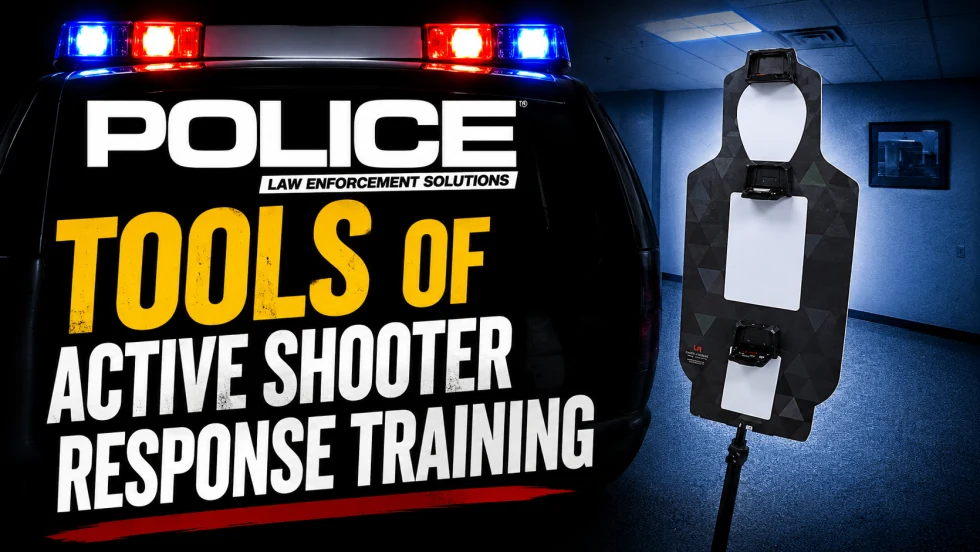
Tools for Active Shooter Response Training
What technologies help prepare officers for active shooter response situations? This behind-the-scenes look at law enforcement training explores shot simulators, smart firearms, laser target systems, and the tools used to build safer, more effective training environments.
Read More →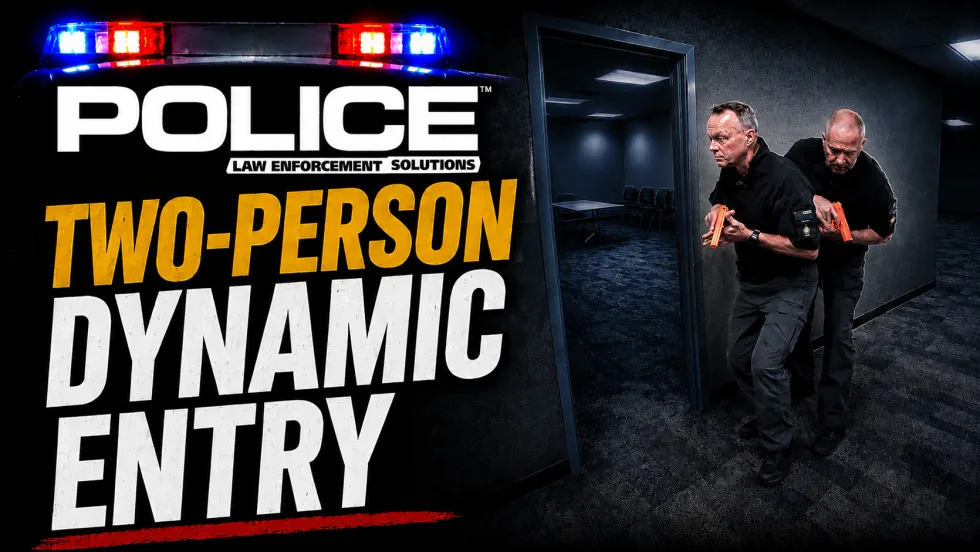
Two-Officer Tactical Doorway Entry Techniques
Entering a room during active-threat situations requires communication, coordination, and disciplined tactical movement. In this video, trainers from the United States Deputy Sheriff’s Association demonstrate critical room entry concepts, including fatal funnel awareness, team coordination, and safe tactical movement.
Read More →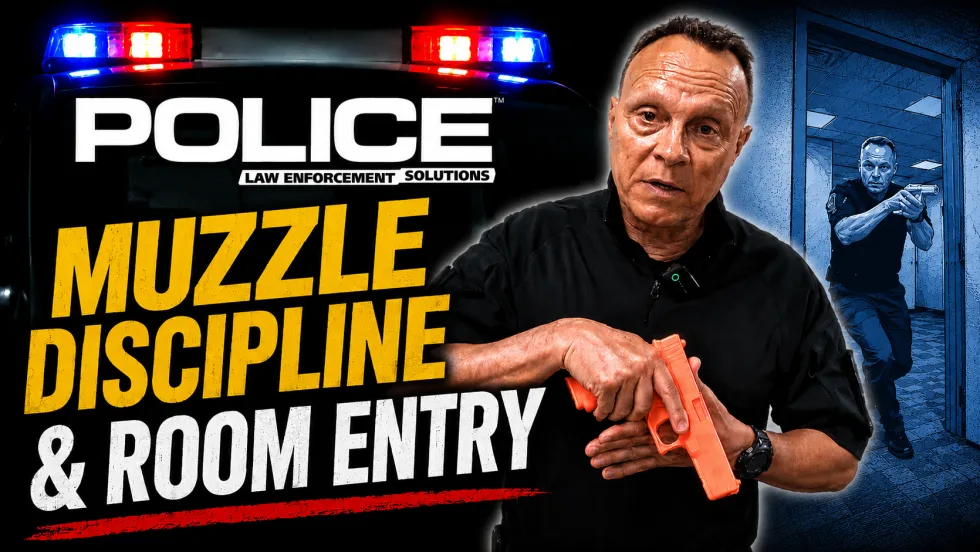
High Compressed Ready Explained | Muzzle Control For Room Entry
In this video, Mike Willis, law enforcement national training and program director for the United States Deputy Sheriffs’ Association, demonstrates the high compressed ready position and discusses muzzle control during room entry.
Read More →
Why Attend the DroneSense Innovation Summit by Versaterm?
Let’s hear from Ryan Bracken, head of product, about why your agency should send someone to the first annual DroneSense Innovation Summit by Versaterm in April.
Read More →
Caswell Live Fire Spins Off from InVeris
Caswell Live Fire has spun off from parent company InVeris, coinciding with the 100th anniversary of Caswell’s founding. Over the past 100 years, Caswell has developed pioneering solutions that support military, law enforcement, and commercial clients worldwide.
Read More →
When Do You Transport a Wounded Officer Instead of Waiting for EMS?
Thumbnail for video series POLICE Topics, Tactics & Tips with a yellow headline that reads When Do You Transport a Wounded Officer Instead of Waiting for EMS?
Read More →
How to Pick Your High-Risk Stop Location for Tactical Advantage
Hear veteran trainer Mike Willis, of the United States Deputy Sheriff’s Association, explain several considerations that can help you wisely pick your best spot to initiate high-risk or felony traffic stops.
Read More →
Coffee Break with Police Experts: Using Your Patrol Vehicle for Cover
In this video, hear from Dustin Mowery, a product specialist at Team Wendy, as he discusses how to best use a patrol vehicle for cover.
Read More →