



Investigating Gangs Outside the Gang Squad
I remember riding with another L.A. Deputy Sheriff in an East Los Angeles gang car in 1975. To me, it was a privilege working with a special gang suppression unit, but my partner complained that he hated working gangs because it was useless. But he was wrong.

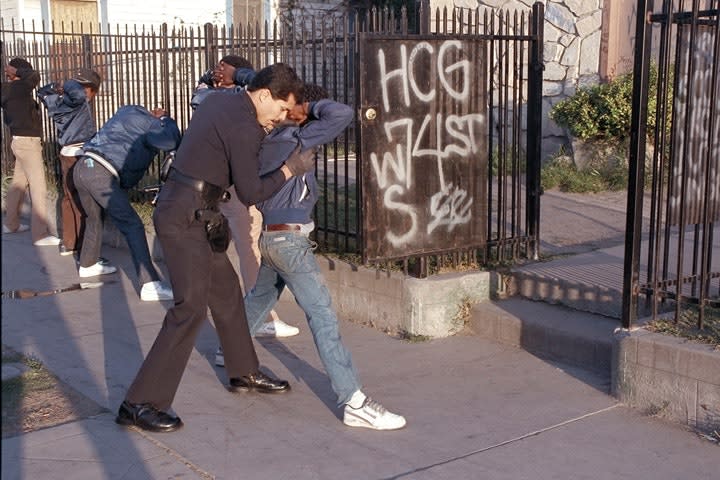
I remember riding with another L.A. Deputy Sheriff in an East Los Angeles gang car in 1975. To me, it was a privilege working with a special gang suppression unit, but my partner complained that he hated working gangs.
"Who cares about gangs? They only kill each other," he said. "It's a waste of time taking them to Juvenile Hall; nothing ever happens to them. And when we get a gang fight call on the radio, we never catch suspects, or witnesses, all we do is pick up the dead and wounded. I'd rather work dope, or stolen cars, or anything else."
That night, after driving past the El Hoyo Maravilla gang hangout in the park, I noticed that the older inactive gang reserve members were in attendance drinking beer with young teenagers. This told me that El Hoyo had activated its reserves. This was only done in time of war. So I tucked the radio car back in an alleyway and surveilled the group from several blocks away with my binoculars.
My partner continued to complain. He was not impressed by my observations, so I asked, "What does the gang need to do a drive-by shooting?"
"A car," he replied.
"Where would they get one?" I asked.
"They'd steal one."
"And if a gang member stole a car and nobody knew it, would he get any credit?" I asked.
"No."
"So what would the car thief have to do to show the homeboys that he had jacked a car to do a drive-by?" I asked with a smile.
Before he could figure out the answer, an old black Chevy drove past the park, and the driver honked the horn at his homies. I pulled out of the alley and got behind the Chevy as it sped up and blew a stop sign in front of me.
"E.L.A. 23 is in pursuit…" I began transmitting, as my partner stopped his complaining.
Gang Intel Can Prevent Crime
My whining partner was partly right about some things.
Few in American law enforcement cared about the gang problem back in 1975. But even then, a great majority of the victims of gang violence were not gang members.
The juvenile system was a joke, but many of the worst gang members were not juveniles.
And, yes, if you chased the radio responding to gang calls, you would rarely catch the action or make an arrest.
Which brings me to my point. The best way to fight back against gangs is to know what's going to happen before it goes down. And the only way to do that is to gain workable intelligence on the gangs that plague your jurisdiction.
Do It Yourself
You don't have to be part of an official gang unit to gather intel on your local gangs. G units are pretty much a recent development in law enforcement, but that didn't stop the savvy cops of the past from learning all they could about the gangs in their areas of operation.
The best anti-gang work back in the days before dedicated G units was done outside the temporary gang units by station detectives and patrol officers who had gained useful information developed from years of experience in the field. Many of these officers seemed to have remarkable powers of memory and an extensive network of gang informants.
My patrol field training officer, Dep. Duncan Jeffreys, was among them. Possessed of a superhuman memory for gang and family relations and even vehicle license numbers that would have rivaled and astonished any mentalist in a Las Vegas Show, he consistently amazed everyone in solving gang crimes. His secret was his "little black books."
Many years before, Jeffreys had begun to record vital facts in a series of black notebooks. He called them his "hype books" because he began recording information he obtained in stopping heroin addicts while working burglary prevention and from field interview reports and booking information. Jeffreys' black books helped him make arrests of many gang assault suspects and aided in the solving of numerous homicide cases.
So why am I telling you about Jeffreys and his little black books? The point is that a patrol officer with the right skills and attitude can gather intel on the local gangs, regardless of the size of his or her agency. And you don't have to be in a dedicated gang unit to work gangs.
Now if you can't stand the very idea of chatting up some gang members, you're not right for this. But if you like to solve puzzles, talk to young people, and can be open to other cultures, you could be a gang cop.
A Pressing Need
Today, many cities are under great financial strain. Bureaucrats and bean counters who do not understand the impact of gangs on the community often impose budget restrictions on the police departments that limit crime prevention programs like gang and intelligence units.
This of course is penny wise and pound foolish. I'll give you an example of why. In Los Angeles, 41 percent of all violent crime is committed by less than the five percent of the population identified as gang members.
Now I realize that most readers of this magazine do not work in huge cities like Los Angeles, Chicago, and New York. That doesn't mean that you have somehow miraculously escaped the scourge of gangs. Believe me, almost every city or town in America has a gang problem. And I bet that most of your jurisdiction's violent crime involves gangs or gang-like activity.
Odds are your agency does not have a budgeted gang unit. Or perhaps there are gang cops working in the jurisdiction that you serve, but you are not one of them, yet. By working gangs outside of the gang unit, you can accomplish several things. You may be able to gain enough intel to persuade your bosses to start a gang unit; you may impress the members of your agency's established gang unit and get transferred to the squad; or if your agency doesn't have a dedicated G unit and will never have the resources to start one, you can become your agency's gang expert. Regardless, your efforts will help you serve and protect your community.
Homework, Coursework, Legwork
The first step in becoming an effective gang officer is to assess your expertise in the area. Start by listing your training and experience involving gangs. List your experiences with gangs during your youth, the sociology and criminology books you might have read in college, your military experience, your police training, anything that might be pertinent. Don't forget to include instruction and direction given by other gang cops, articles you have read, and training seminars you have attended.
You're going to have to put in the effort to learn about gangs before you can call yourself a gang officer. Most gang experts—myself included—have paid money out of their own pockets to get the training needed through organizations and conferences such as TREXPO, CGIA, CNOA, ILGIA, and ILEETA. Also, several good programs are available free through access to the LASD custody training Website.
But you can't become an expert on your local gangs in a classroom. You have to work the gangs in the field.
Record your field contacts and the gang information you derive from booking slips and field interview reports in small loose-leaf notebooks or in a computer database. Use a format that is similar to your FIR forms and keep it consistent from entry to entry.
Make getting the correct gang moniker or alias of your contact a priority. Map the gang areas and disputed territories on R.D. maps. Go to Google Earth and look up the aerial views of your gang's hangouts. Review the information from time to time to commit as much information as you can to memory.
Many of you already carry small voice recorders to record field contacts and interviews. At the end of your shift or later at home, write down the narrative of whatever gang information you obtained and record it in your books or on your computer.
Also, approach other officers for information. Your local custody officers can help you locate local O.G. or "Veterano" gang members willing to talk about tattoos, hand signs, graffiti, and gang histories. Interview them and record these sessions.
Whatever you do, be sure to commit these gang histories to writing. We failed to do this in the beginning years of LASD gang unit Operation Safe Streets and regretted it later. The information was readily available then, so we didn't think we needed to record it. But after a lot of those O.G.s died, we no longer had sources for that information and we had no records of our interviews. This is how history was revised to make Stanley "Tookie" Williams the "heroic co-founder" of the Crips.
For some reason, many gang members find it easier to speak about "La Vida Loca" while in custody. A cup of coffee, a phone call, or a cigarette, used to work wonders. Today you could probably get fired for giving an inmate a cigarette, but look for other perks you can use. But remember, never take the word of one jail house informant as gospel. Corroborate his or her story when you come in contact with other members of that same gang.
A gang is a separate culture. No matter how street wise you think you are, you'll need to study that culture in order to communicate with its members. Learn their slang terms, read their magazines, and listen to their music. The more that you know about their culture, the more freely they will talk about confidential gang matters. A word of caution on this: Know their slang and culture, but don't talk like them or imitate their mannerisms. You are not a gang member.
Informants, Contacts, and Colleagues
Develop a system of informants. Most departments have strict guidelines and procedures governing "official police informants" or "cooperating government witnesses." Unfortunately, many departments follow the FBI model. The FBI developed this model after several very bad cases of FBI informant mismanagement. Yet many local jurisdictions blindly adapted this model anyway. This overregulation of official street and jail informants has severely limited the useful and valuable information they used to provide.
But anyone can be an "unofficial informant" and "cooperative witness." Every person you contact is a potential gang informant. Kids, moms, girlfriends, the local letter carrier, and especially the nosy old lady down the street have all witnessed gang crimes in progress. They hold the solution to many crimes. Treat them that way.
But whatever you do, don't ask them for information about gangs in public. Protect their identities, protect their lives. And above all, always keep your word.
Create a folder with useful contact information for other jurisdictions, local judges, prosecutors, and probation and parole officers. Have after hours numbers for them and don't forget the School Police, Housing Authority, and your friends working the jails and prisons. You should include welfare workers, mental health teams, victim assistance, local priests and ministers, and shelters and food banks. All of these numbers will become useful at some point.
Visual Records
You will also need a digital camera. It doesn't have to be the best, just what you can afford. On occasions I have even resorted to buying a cheap disposable film camera to record gang graffiti when I didn't have access to a better solution.
A note on photos: Be very careful when photographing individual gang members, even in a voluntary situation. After the subject is arrested he will deny that he gave you permission to take his picture. But photographs taken in the booking process are fair game. Group shots or shots of gang cars and gang graffiti are also usually not objected to.
Include these kinds of photographs and video tapes in your search warrant description of items to seize to show gang affiliations.
Finally, you can learn an awful lot about a gang by watching it. When available, use binoculars and night vision optics to extend your ability to see what the gang members are doing without getting too close and spooking them.
More Special Units
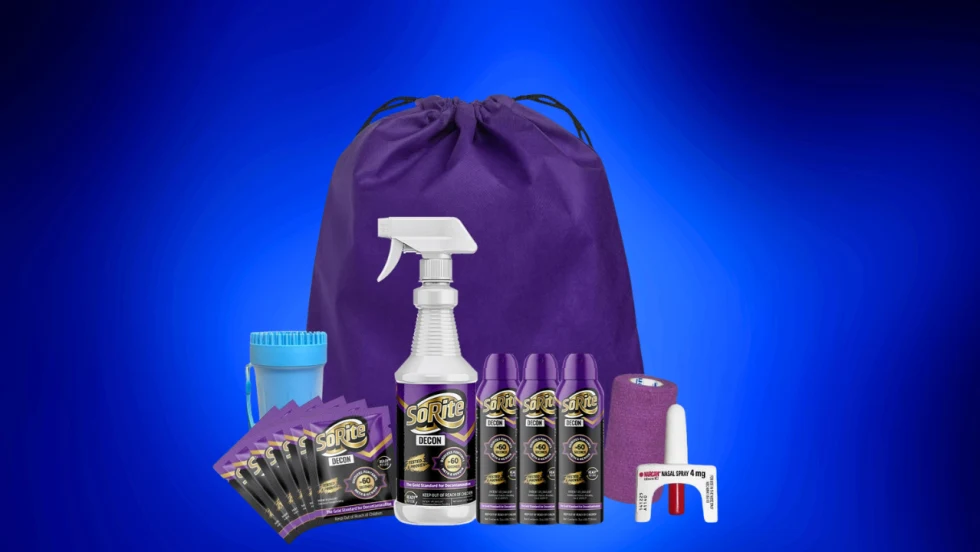
New K9 Decontamination Protocol Launched
A new K-9 protocol from the SoRite Company gives law enforcement agencies a standardized rapid-response framework to decontaminate K-9s, their handlers, and police vehicles, from dangerous narcotics.
Read More →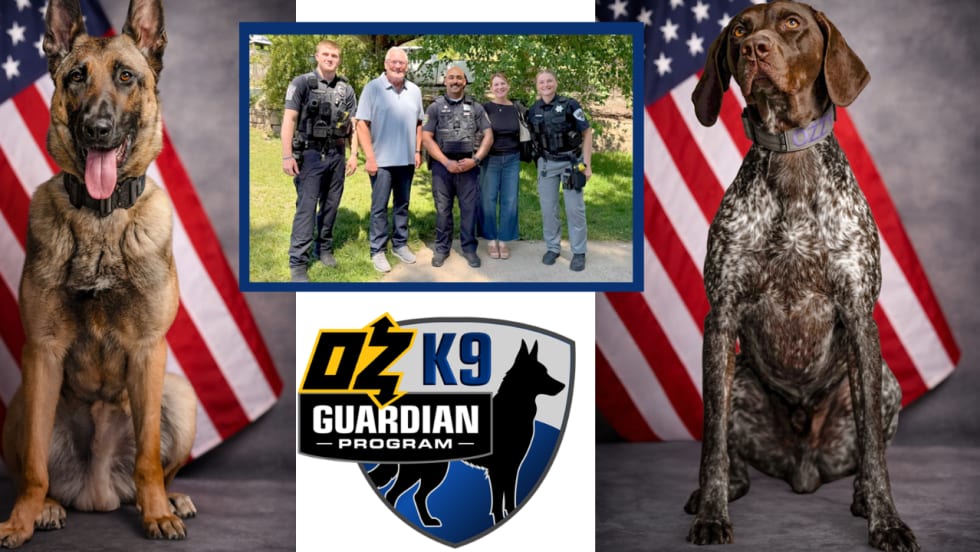
OZ Lifting Doubles Impact of K9 Guardian Program
In response to the positive impact the program has had on local communities. OZ Lifting Products has expanded its K9 Guardian Program by committing to fund a second police dog each year.
Read More →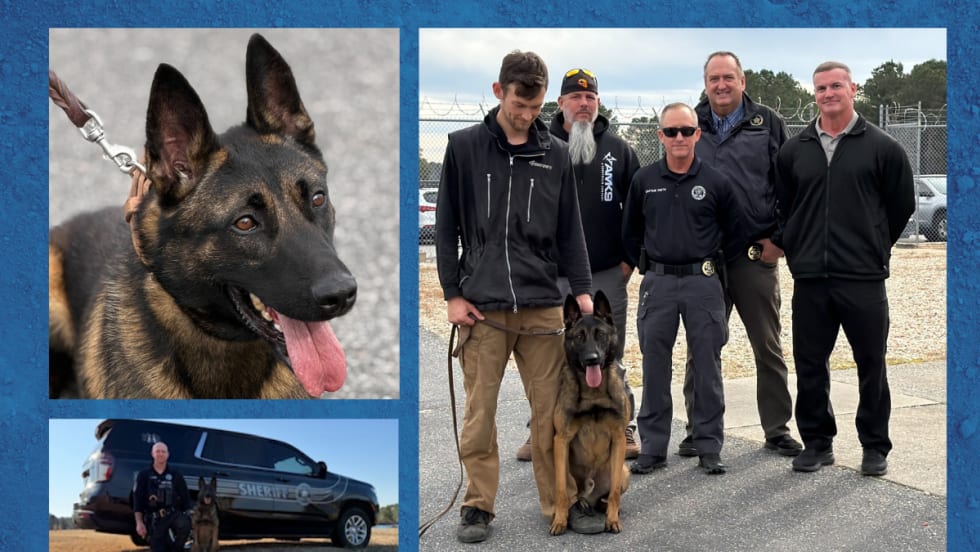
Constellis’ AMK9 to Donate K9 Officer to Currituck County Sheriff’s Office
AMK9 will donate a fully trained K9 officer to the Currituck County Sheriff’s Office K9 Unit. DAX, a 20-month-old Belgian Malinois, joined his new handler and has begun training at the Constellis Training Center.
Read More →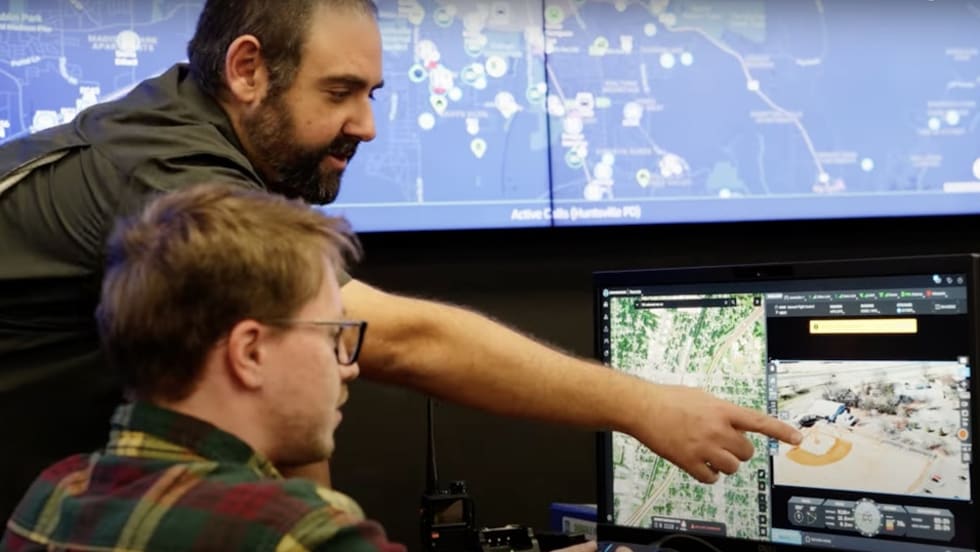
Ohio’s Statewide Drone First Responder Program to Take Flight
Over the next two years, the Ohio DFR Pilot Program will equip municipalities with advanced drone systems, deliver comprehensive training for first responders, and enable FAA-approved Beyond Visual Line of Sight operations.
Read More →
Louisiana Motor Sergeant Dies from Injuries Suffered in June “Intentional” Crash
A motor officer, Sgt. Caleb Eisworth was on his way to participate in a funeral escort when he was struck by another vehicle.
Read More →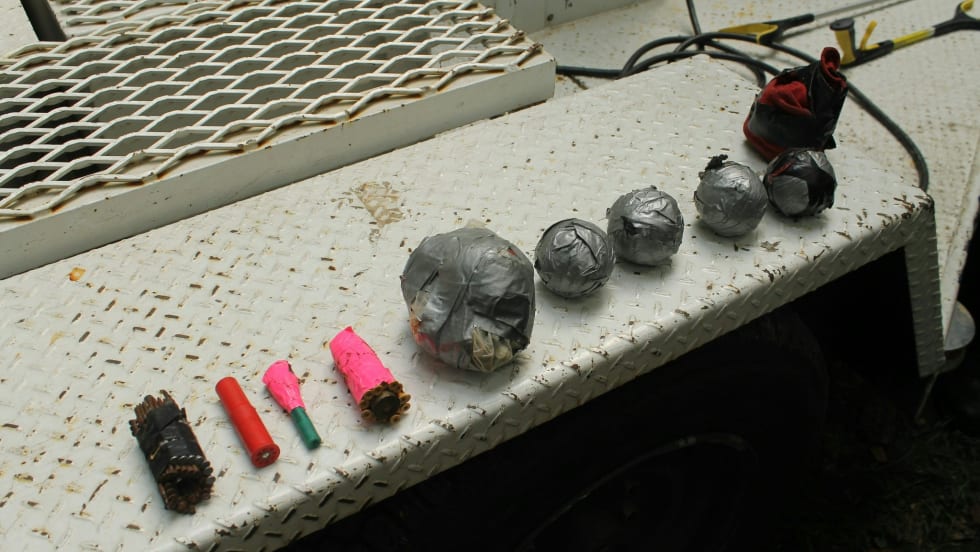
Tennessee Officers Say Man Tried to Detonate IED During Arrest
Inside the bedroom officers found what they believed to be an IED. The officers evacuated the house and called for the Chattanooga Police Bomb Squad and ATF agents.
Read More →
Florida School Officer Dies After On-Duty Medical Emergency
Sergeant Greg Graff was “preparing school leaders for the upcoming year during a safety training program at Clearwater High School,” the school district said.
Read More →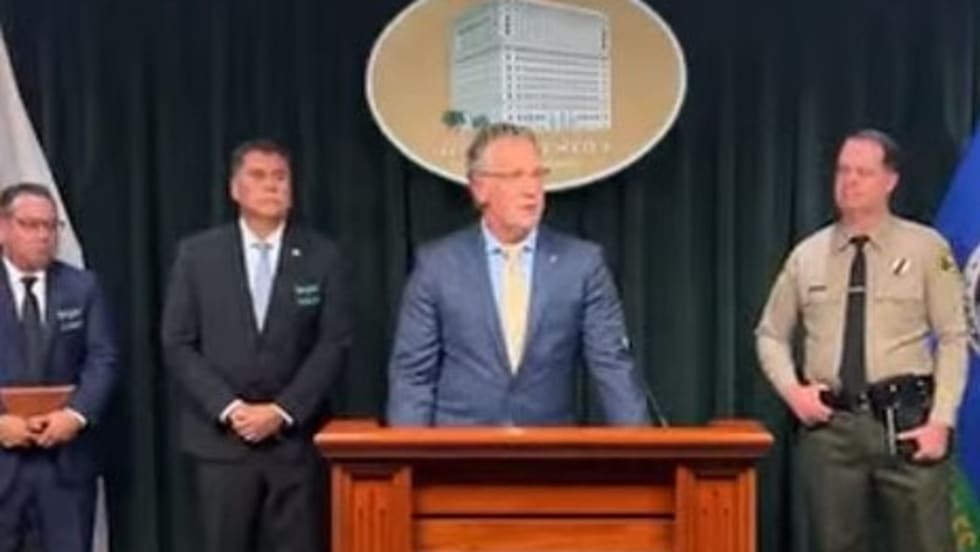
Grenade is Missing from Explosion That Killed 3 LASD Deputies
ATF Special Agent in Charge Kenny Cooper said definitively that only one grenade detonated at the facility on July 18.
Read More →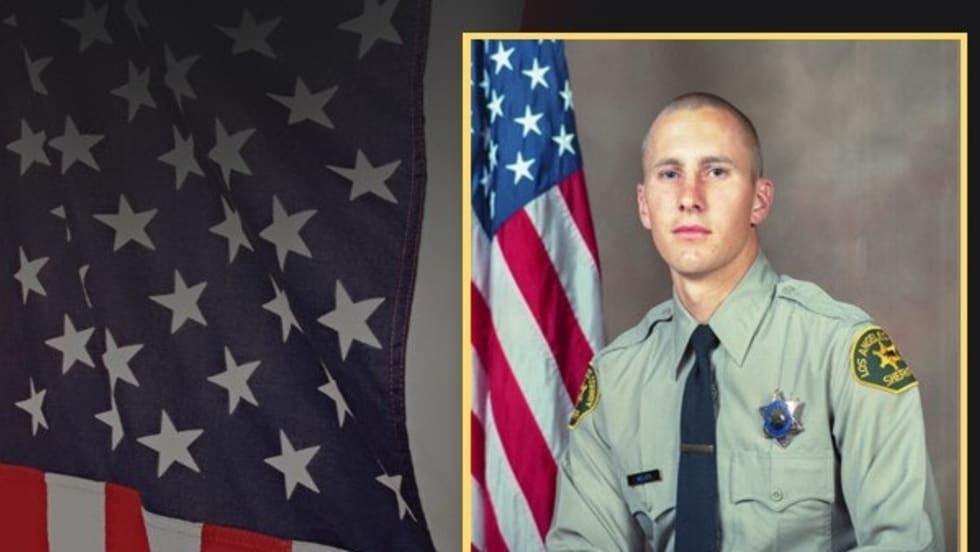
Los Angeles County Sheriff's Department Names Deputies Lost in Friday Explosion
LASD said Detective Joshua Kelley-Eklund, Detective Victor Lemus, and Detective William Osborn who were all assigned to Special Enforcement Bureau’s Arson Explosives Detail were killed in the incident.
Read More →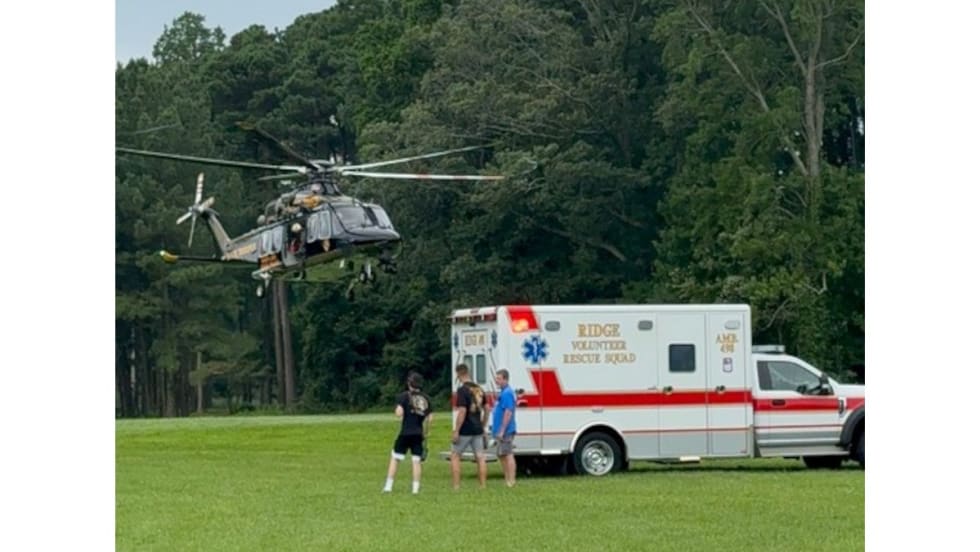
Maryland State Police Helicopter Rescues Victim from Overturned Boat in Chesapeake Bay
The Maryland State Police Aviation Command Trooper 7 crew, the MSP helicopter based in California, Maryland, were monitoring the county dispatch radio, overheard the dispatch, and self-launched.
Read More →