



The Value of Video Review
To say reviewing the video footage was boring would be putting it lightly…but something caught Postiglione's eye.

One of the most important responsibilities of a patrol officer is the timely identification and preservation of evidence. This often entails locating weapons, shell casings, blood splatter, impact points, etc. Identifying witnesses is important, too. Finding out who saw what and when.
But there's an under-exploited tool that officers should continually factor into their investigations: the presence of security cameras.
I'm not talking about those security cameras that we make a beeline for inside liquor stores and banks that have been robbed. I'm speaking of those in properties that neighbor the victim location.
Where homes have been targeted for crimes, neighbors' security cameras often have nailed the culprits responsible. When commercial buildings have been burglarized or set ablaze, security footage from adjacent businesses have proven similarly valuable. Even footage from intersections a mile away can be helpful in identifying suspects in flight, especially when investigating late night crimes where traffic is sparse.
Where officers fail to obtain videotape, it is often due to circumstances beyond their control. We've heard it all before—the security camera was broken; there wasn't any tape in it; it really isn't a security camera, it's just a phony that was meant to deter the crime but didn't. Or the frustrating: The owner/manager is the only one that can retrieve the footage. He'll be here on Monday (invariably heard on Friday night).
One way that an agency can help itself is to have its crime prevention liaison drive home to business owners and managers the importance of maintaining working cameras, and having a means of securing tape. Tape that's been taped over may be salvageable, but is never as good as the pristine first generation copy. Encourage businesses to develop and maintain communications with one another so they might recognize when one surveillance system might pick up the path of a fleeing suspect, or the crime itself. This, in itself, can help streamline investigations.
At the same time, encourage store owners to educate their staff on how to obtain or make copies of surveillance footage. These points can be communicated in seminars or via emailed newsletters.
When several Polish Hill (near Pittsburgh, Pa.) buildings were damaged or destroyed by fire, video footage from the nearby Polish Hill Civic Association showed Duane Darkins—reportedly pissed off and in violation of a protective order for being in the area—leaving the building just moments before the blaze was reported. Darkins was subsequently booked and prosecuted for the arson.
Det. Michael Burns with the city's arson squad commented, "That video was very important and played a vital role (in) obtaining an arrest warrant for him."
In Yuba City, Calif., party crashing gang members who'd assaulted the host to the point of puncturing his lung and crushing his orbital socket were arrested after a neighbor's videotape captured their images.
In Riverside, Calif., a murder suspect was arrested after security video near the recovery site of the victim's body revealed Fernando De Los Santos in the moments just preceding the homicide.
Security video can make your life easier on other fronts. If you're in the unfortunate position of monitoring traffic without a dashboard camera, setting up near businesses that have street angle surveillance can offer objective documentation of your observations.
Security video can also impeach those who make false allegations of crime. Following the alleged robbery of one wheelchair-bound man, sympathetic Spokane, Wash., residents lined up to donate money to the "victim." The only problem? Videotape from the alleged crime scene showed that he wasn't at the location at the time of the alleged crime. Kenneth Koch later recanted the story and acknowledged that his injuries were self-inflicted.
Reviewing videotape can be a time consuming and tedious job, but one that can pay huge dividends.
Veteran Nashville homicide investigator Sgt. Pat Postiglione was assigned the case of a woman who was murdered in his area. Postiglione suspected that she may have been the victim of a serial killer, a suspicion shared by the FBI.
Postiglione and another detective began reviewing videotape taken at the Truck Stops of America site in downtown Nashville where the victim had been found. To say the footage was boring would be putting it lightly: Nothing but big rigs pulling in and out of one of the busiest truck stops in the state.
But something caught Postiglione's eye—a yellow 18-wheeler that arrived and departed the truck stop within a half-hour. The interval was conspicuously short given that a majority of truckers spent at least an hour or more fueling up, eating, or catching some sleep.
It wasn't much to go on, but when Postiglione approached the truck stop the next day, he saw what he thought was the yellow rig heading toward a nearby area known for prostitution. The driver of the truck was subsequently identified, one thing led to another, and eventually the trucker was arrested and booked for several serial killings.
If you're hurting for suspect identification or just looking to make a stronger case, consider the presence of video surveillance in the vicinity of your crime scene. It may point you in the right direction.
More Blog Posts
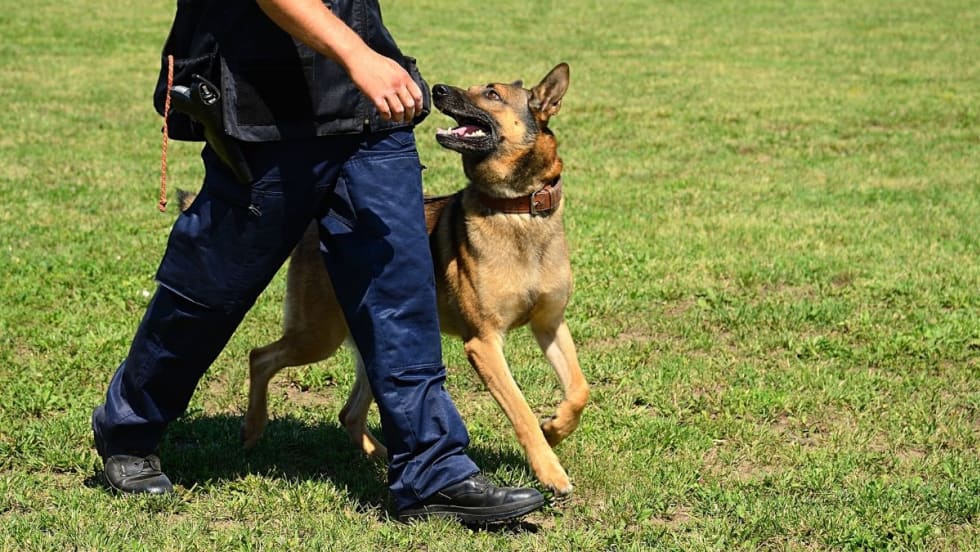
Preventing Heat Injury in Police K-9s
In the relentless heat of summer and even early fall in some parts of the country, officers face the important task of protecting their K-9 partners while working in sweltering temperatures. Recognizing changes in a dog’s behavior is the key.
Read More →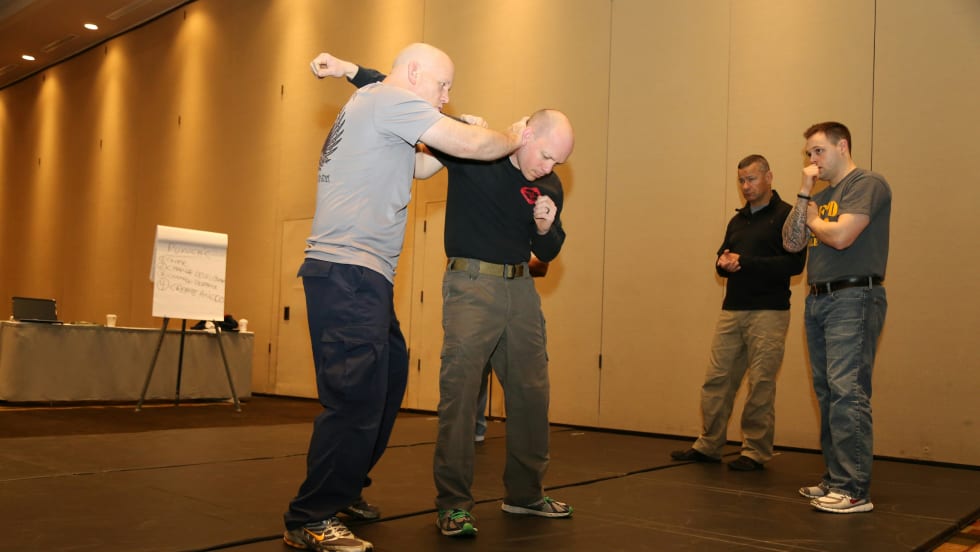
Why Your Agency Needs to Attend the ILEETA Conference
ILEETA is a complete resource for trainers to address trainers' needs. Its mission is to enhance the skills and safety of criminal justice practitioners while fostering stronger and safer communities.
Read More →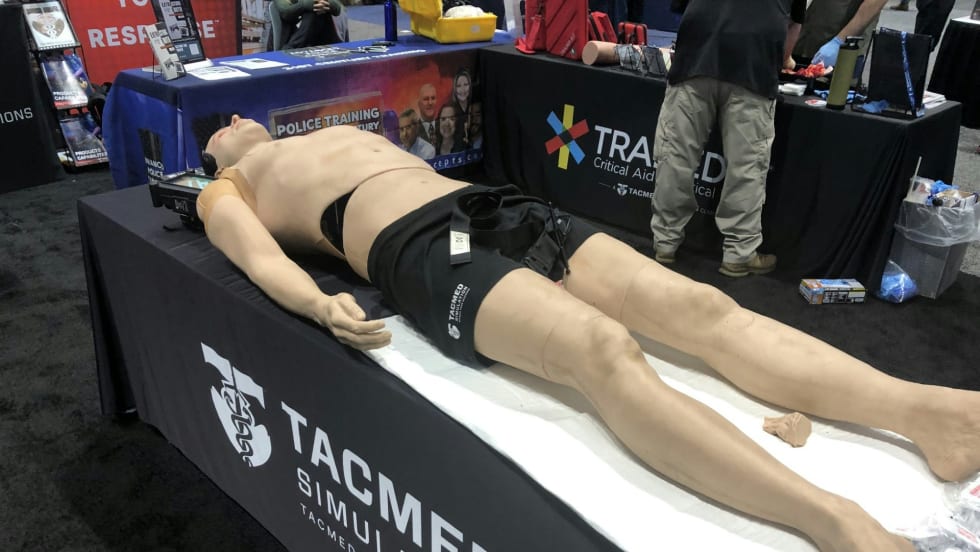
IACP 2023: New Training Products
Technologies for improving law enforcement training and training management were some of the highlights at this year's show.
Read More →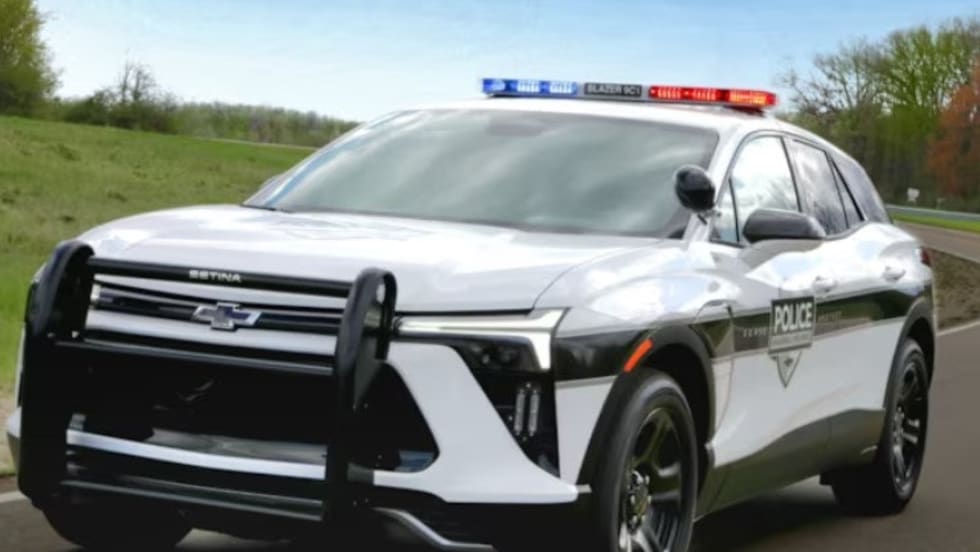
Initial Results Released from MSP 2024 Police Vehicle Testing
The 2024 pursuit-rated vehicles--all pickup trucks or SUVs, including two battery electric models the Chevrolet Blazer EV AWD and Ford Mustang Mach-E--were put through their paces.
Read More →
Officer Safety Considerations Related to Alternative-Fuel Vehicles
As more alternative-fuel and hybrid vehicles hit the road, police and other first responders need to understand that they are no more dangerous than conventional vehicles. However, there are certain safety considerations every cop should know.
Read More →
Garmont Working to Grow LE Market Presence
Garmont Tactical has found wide acceptance by military boot buyers, but now the company is trying to better respond to the needs of police officers. Many cops now are not fans of 8-inch boots, so Garmont is adapting.
Read More →
Publisher’s Note: Our Commitment to You
Through our magazine and website and our Police Technology eXchange event, we promise to provide you with information and access to resources to help you do your job safer and better.
Read More →
10 Tips for Responding to Mental Health Crisis Calls
The Harris County Sheriff's Office is a model for other agencies that want to learn about crisis intervention and mental health crisis response. Sgt. Jose Gomez shares the story of their programs and provides 10 tips for mental health crisis call response
Read More →
5 Things to Know When Buying Concealed-Carry or Off-Duty Holsters
Mike Barham, of Galco Holsters, shares five important considerations to keep in mind when you buy off-duty concealed or plain-clothes carry holsters.
Read More →
10 Tips for Reviewing Use-of-Force Reports
While the burden of accurately reporting use-of-force situations is on an individual deputy or officer, the person reviewing those reports shares in the responsibility of making sure the reporting is done properly, with clear details included.
Read More →