



Alzheimer’s Foundation Searches for Outstanding Officer
The Alzheimer’s Foundation of America (AFA) and Project Lifesaver International will for the first time recognize an officer who has gone “above and beyond” to come to the aid of individuals with Alzheimer’s disease and other disorders who have been missing or face the risk of wandering in the future.

The Alzheimer’s Foundation of America (AFA) and Project Lifesaver International will for the first time recognize an officer who has gone “above and beyond” to come to the aid of individuals with Alzheimer’s disease and other disorders who have been missing or face the risk of wandering in the future.
The nominee must be affiliated with a sheriff’s office, police department, or public safety agency that utilizes Project Lifesaver’s proven radio technology to quickly locate wanderers. Currently, Project Lifesaver has 450 member organizations in the U.S., Canada, and several foreign countries. These organizations are also member organizations of the AFA.
AFA and Project Lifesaver will annually present this honor, called the Distinguished Service Award, to an officer who has gone “above and beyond to promote Project Lifesaver, to executive successful searches, and to educate the public about Alzheimer’s disease and related dementias.”
The organizations will bestow the 2005 award at AFA’s annual cocktail reception in New York City on November 1. The winner and a guest will be flown to New York for the event and will also enjoy a two-night hotel say, a Broadway show, dinner, and $1,000 in cash.
“Officers involved in Project Lifesaver are true heroes in their communities. Their presence brings peace of mind to families, and their rescue efforts are nothing short of miraculous,” said Eric J. Hall, AFA’s chief executive officer.
Clients wear wristband transmitters that, using FM radio frequencies and 30-day batteries, emit a continuous signal 24 hours a day. Public safety and law enforcement teams use specialized tracking devices that can receive the signals from a mile away on the ground to five miles by air. The average response time is less than 30 minutes, versus other search operations that can last for days.
The Alzheimer’s Foundation of America is a New York-based nonprofit organization that focuses on “together for care…in addition to cure” for individuals with Alzheimer’s disease and related illnesses, and their families, and unites member organizations from coast to coast that provide education and hands-on social services. Its services include a toll-free hotline, educational materials and conferences, professional training and a free caregiver magazine. For information, call 866-AFA-8484 or visit www.alzfdn.org.
Project Lifesaver International, Chesapeake, VA, is a nonprofit organization that utilizes a radio technology rapid response program to effectively locate missing individuals with Alzheimer’s disease, Down syndrome, Autism and related disorders. For information, call 757-546-5502 or visit www.projectlifesaver.org.
More Technology
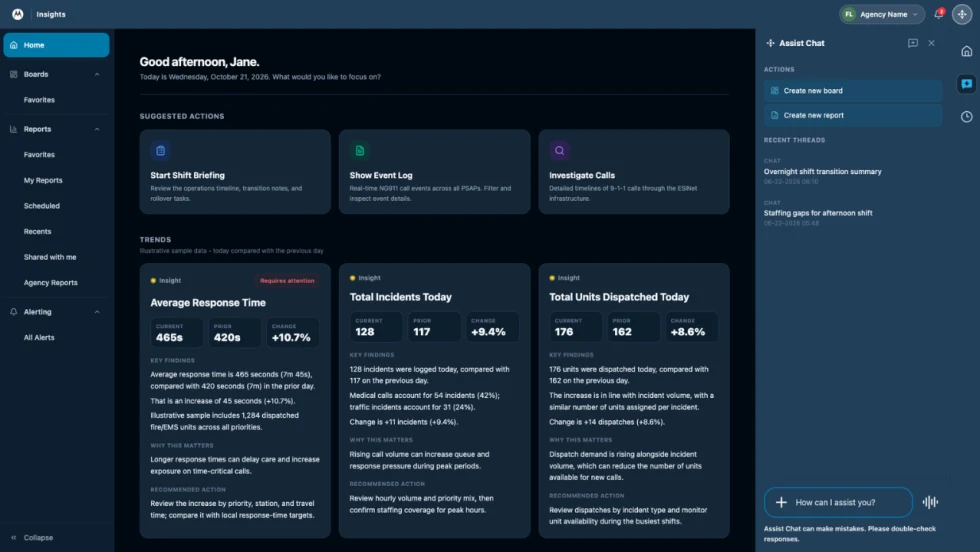
How Motorola Solutions’ New “Insights” Platform Helps Public Safety Agencies Identify Trends to Improve Their Operations
Motorola Solutions has introduced Insights, which leverages Assist, its mission-critical artificial intelligence (AI), to address these challenges and shape what’s next for public safety analytics and reporting technology.
Read More →
What Qualifies a Laptop as Rugged or Fully Rugged?
Police officers face a wide range of working conditions that can damage or even destroy a regular consumer laptop. Learn what qualifies a computer as rugged or fully rugged and why those devices are vital for law enforcement.
Read More →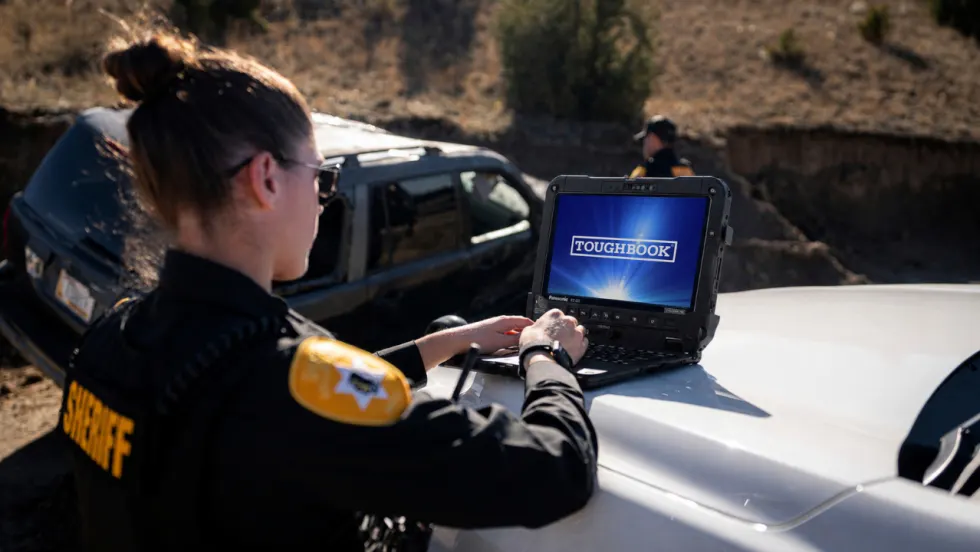
Panasonic Connect Launches the Toughbook 34 and Toughbook G3, Fully Rugged 2-in-1 Mobile Computers
Panasonic Connect has launched the Toughbook 34 and Toughbook G3 to facilitate in-vehicle dispatch, records management, and mobile command operations from any location.
Read More →

A police agency's guide to data-driven fleet management
Costs are rising and the public expects more transparency into how their tax dollars are spent. This e-book shows how police agencies can use fleet data to take control of fleet expenses while improving officer safety and demonstrating fiscal responsibility to the communities they serve.
Read More →
AI and analytics for law enforcement: Turning data into insights
Law enforcement agencies are managing more video, sensor data and digital evidence than ever before. Discover how AI and analytics can help turn that data into actionable insights that strengthen situational awareness, accelerate investigations and support more informed decisions.
Read More →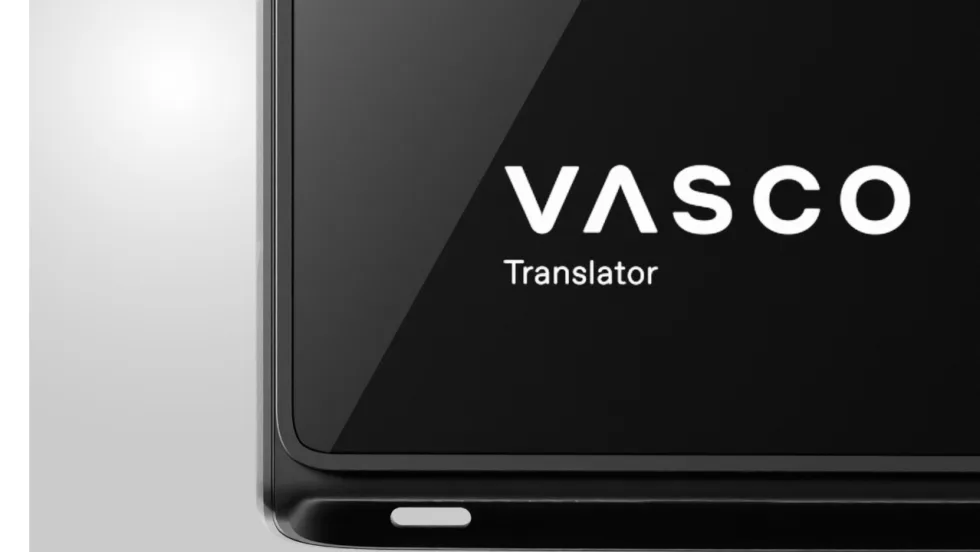
Vasco Electronics Adds Automatic Language Detection to Vasco Translator Q1
Vasco Electronics’ software update introduces hands-free language switching and expanded offline translation across 45 language pairs, empowering law enforcement, healthcare, and front-office enterprise teams
Read More →
North Miami Police Department Deploys Mark43
The North Miami Police Department has deployed Mark43 as part of its Five-Year Strategic Plan that represents its collective vision and goals for a more proactive police department, anchored by a core commitment to leveraging modern technology to enhance efficiency and public safety.
Read More →
Cellebrite Genesis for Enterprise Now Generally Available
Made available to the public sector in June, Cellebrite Genesis is serving a growing mix of national, regional, and local agencies worldwide, including some of the largest regional and metropolitan police departments. It is now available for enterprise organizations.
Read More →
2026 Vision FirstNet Users Summit to Host Emerging Leaders Training on Grassroots Advocacy for Public Safety
“Emerging Leaders Training: Understanding the Importance of Grassroots Advocacy for Public Safety," a session during the 2026 Vision FirstNet Users Summit, will offer a roadmap for unified advocacy at the federal level.
Read More →
Motorola Solutions Completes Acquisition of D-Fend Solutions
Motorola Solutions has acquired D-Fend Solutions, an industry leader in counter-drone technology. This deal provides public safety and enterprise customers with access to advanced counter-unmanned aerial systems.
Read More →