



Nov. 18 POLICE Technology Experience Focuses on Crime Analysis and Facial Recognition Tools
The Thursday Nov. 18 session of the POLICE Technology Experience (PTE) will focus on Crime Analysis Software and Facial Recognition. It is sponsored by Clearview AI, CrimeCenter Software, and Uncharted Software (GeoTime).


The Thursday Nov. 18 session of the POLICE Technology Experience (PTE) will focus on Crime Analysis Software and Facial Recognition. It is sponsored by Clearview AI, CrimeCenter Software, and Uncharted Software (GeoTime).
The Nov. 18 PTE sessions will begin at 11:30 a.m. Eastern with a keynote address titled "Facial Recognition: Policy Adoption, Privacy Compliance & Best Practice Workflows for Law Enforcement Agencies."
Presented by Roger Rodriguez, vice president of sales for Clearview AI, the keynote address will cover current applications of facial recognition in law enforcement, the use of social media images in the investigative process, the need for policy adoption and facial recognition procedures, facial analysis techniques, and the importance of using system oversight and reporting tools for better accountability and transparency.
Following the keynote, at 1:10 p.m. Eastern there will be a presentation of three case studies.
Case Study One: "Using Communications Records and Google Location Information to Enhance and Visualize Your Investigation and Prosecution" will be presented by Darryl Valinchus, law enforcement liaison at GeoTime.
Case Study Two: "How Modern Investigation Tools Helped Bring an Officer's Murderer to Justice" will be presented by Michael Cunningham, operations manager for CrimeCenter Software, and Alan Youngs, former chief of police for Lakewood, CO.
Case Study Three: Focuses on closing cases with the aid of facial recognition and will be presented by Sgt. Alejandro Gutierrez of the Miami Police Department.
The final event of the day will be roundtable discussions between the audience and representatives from GeoTime, Clearview AI, and CrimeCenter Software.
The Wednesday Nov. 18 session will be the fourth of six virtual events in the POLICE Technology Experience.
Previous Police Technology Experience sessions covered mobile technology; officer efficiency tools; CAD, RMS, and jail management solutions. Registered attendees can listen to these sessions at www.policetechnologyexchange.com/experience.
POLICE's free virtual technology classes and law enforcement networking events will continue once per week on select weeks in November and December.
Upcoming sessions include:
December 2: "Training, Scheduling, and Policies & Procedures Software" will be sponsored by Envisage, PowerDMS, and Schedule Express.
December 9: "Video Analysis Redaction Surveillance & Storage" will be sponsored by Avigilon and Veritone.
For more information on the free POLICE Technology Experience, go to www.policetechnologyexchange.com/experience
Register now at www.policetechnologyexchange.com/experience/register
More Technology
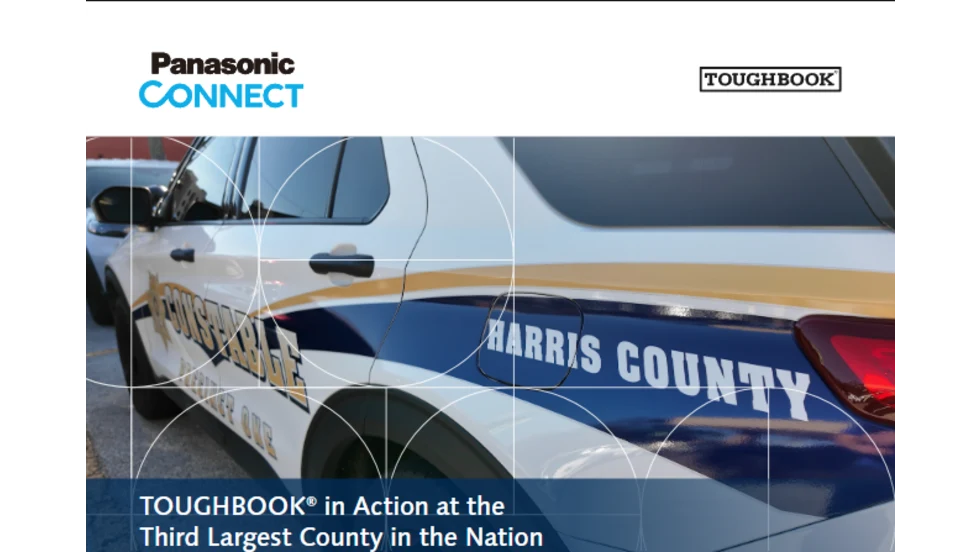
TOUGHBOOK in Action at the Third Largest County in the Nation – Harris County, TX
Learn how Harris County, one of the nation’s largest counties, modernized its law enforcement fleet with TOUGHBOOK® rugged laptops—strengthening security, productivity, and operational readiness across every unit.
Read More →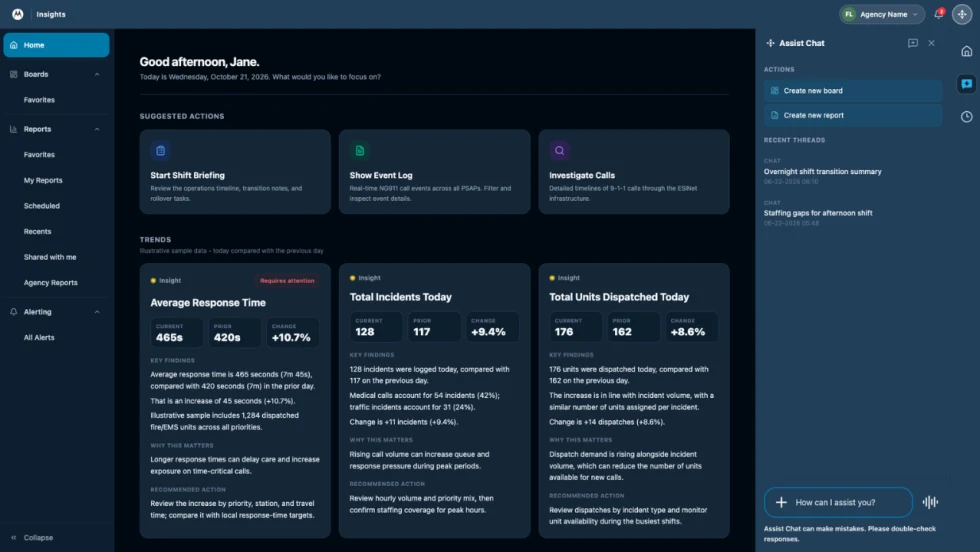
How Motorola Solutions’ New “Insights” Platform Helps Public Safety Agencies Identify Trends to Improve Their Operations
Motorola Solutions has introduced Insights, which leverages Assist, its mission-critical artificial intelligence (AI), to address these challenges and shape what’s next for public safety analytics and reporting technology.
Read More →
What Qualifies a Laptop as Rugged or Fully Rugged?
Police officers face a wide range of working conditions that can damage or even destroy a regular consumer laptop. Learn what qualifies a computer as rugged or fully rugged and why those devices are vital for law enforcement.
Read More →
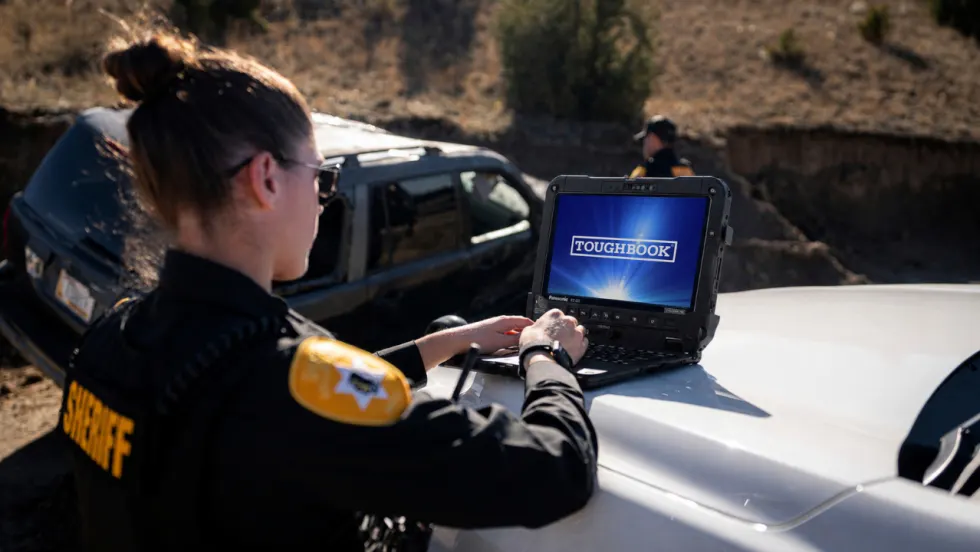
Panasonic Connect Launches the Toughbook 34 and Toughbook G3, Fully Rugged 2-in-1 Mobile Computers
Panasonic Connect has launched the Toughbook 34 and Toughbook G3 to facilitate in-vehicle dispatch, records management, and mobile command operations from any location.
Read More →
A police agency's guide to data-driven fleet management
Costs are rising and the public expects more transparency into how their tax dollars are spent. This e-book shows how police agencies can use fleet data to take control of fleet expenses while improving officer safety and demonstrating fiscal responsibility to the communities they serve.
Read More →
AI and analytics for law enforcement: Turning data into insights
Law enforcement agencies are managing more video, sensor data and digital evidence than ever before. Discover how AI and analytics can help turn that data into actionable insights that strengthen situational awareness, accelerate investigations and support more informed decisions.
Read More →
Vasco Electronics Adds Automatic Language Detection to Vasco Translator Q1
Vasco Electronics’ software update introduces hands-free language switching and expanded offline translation across 45 language pairs, empowering law enforcement, healthcare, and front-office enterprise teams
Read More →
North Miami Police Department Deploys Mark43
The North Miami Police Department has deployed Mark43 as part of its Five-Year Strategic Plan that represents its collective vision and goals for a more proactive police department, anchored by a core commitment to leveraging modern technology to enhance efficiency and public safety.
Read More →
Cellebrite Genesis for Enterprise Now Generally Available
Made available to the public sector in June, Cellebrite Genesis is serving a growing mix of national, regional, and local agencies worldwide, including some of the largest regional and metropolitan police departments. It is now available for enterprise organizations.
Read More →
2026 Vision FirstNet Users Summit to Host Emerging Leaders Training on Grassroots Advocacy for Public Safety
“Emerging Leaders Training: Understanding the Importance of Grassroots Advocacy for Public Safety," a session during the 2026 Vision FirstNet Users Summit, will offer a roadmap for unified advocacy at the federal level.
Read More →