



Veritone’s Second Annual Law Enforcement Transparency and Trust Report Finds Majority of Americans Support Police but Believe Racial Bias Exists
Veritone has observed that when it comes to everyday tasks like paying bills online, watching Netflix, or doing a quick Google search, many people accept and enjoy the conveniences the use of artificial intelligence (AI) enables, but when it comes to law enforcement, there are far more misconceptions or mistrust.

Veritone Inc., creator of aiWARE (a hyper-expansive enterprise AI platform), has announced the findings of its second annual nationwide Transparency and Trust Report, focused on the relationship between law enforcement agencies and the communities they serve.
Notable takeaways from the report include:
Police should stay focused on fighting violent crime – A majority of those surveyed (84%) want police to focus on responding to violent crimes. When asked which of the following services or situations the local police department should be responsible for, only 42% of respondents want police to spend time performing administrative tasks like reviewing reports and 24% are in favor of documenting the perceived race of individuals at traffic stops.
Opinions on racism and bias are strong – The majority (64%) of those surveyed believe that racial bias still exists in policing, with 55% reporting that their local police have not clearly communicated a plan to properly address racial bias and systemic racism. However, 25% of people indicate that their level of trust in local law enforcement has increased over the last five years due to greater transparency, showing promise that trust can be bolstered with clearer communication.
Most people support police and agree that policing has become more difficult – Although media headlines can be polarized and divisive, most respondents appear to show sympathy and support for police: 70% agree being a police officer in the U.S. has become more difficult over the last five years, with 62% believing policing has become politically polarized and 61% believing it is possible to support police and be “anti-racist.”
New police technologies can improve transparency and trust – There are a number of technologies available to help law enforcement become more efficient when processing evidentiary data, responding to different types of calls, and with more objectivity. The results of our survey indicate that the less understanding the public has of these tools, the less likely they are to trust the technology or the police to use it properly. Respondents who are familiar with law enforcement technology are on average 81% more likely to have some level of trust in that technology.
Communities need more education on policing – 25%of respondents either do not have or do not want to express their opinion on many of the questions about policing and technologies for law enforcement. This potentially indicates the public need for more information, so that individuals can form and feel confident in their opinions.
According to both this and last year’s findings, trust in the use of technology by police could be improved. Veritone has observed that when it comes to everyday tasks like paying bills online, watching Netflix, or doing a quick Google search, many people accept and enjoy the conveniences the use of artificial intelligence (AI) enables, but when it comes to law enforcement, there are far more misconceptions or mistrust—largely due to a lack of understanding. With this information, the stage is set for next year’s report, which will dive deeper into AI and how its interaction with citizens and law enforcement can improve every aspect of public safety.
“Looking back on media headlines, 2020 and 2021 were a time of uncertainty and division across the country, particularly between civilians and law enforcement, with mass protests and calls to reform, defund, or even abolish the police force,” said Jon Gacek, general manager, aiWARE Enterprise for Veritone. “With comparisons from last year’s findings, we have an opportunity to measure just how far the needle has moved one way or the other. Most importantly, it can inform us as to what can be done to unite us.”
This year’s report includes responses from nearly 3,000 Americans aged 19 and above—represented almost equally by gender, ethnicity, region, and political leanings—who provide insight into the broader public opinion on policing in the United States and how new technologies can improve transparency.
More Technology

A police agency's guide to data-driven fleet management
Costs are rising and the public expects more transparency into how their tax dollars are spent. This e-book shows how police agencies can use fleet data to take control of fleet expenses while improving officer safety and demonstrating fiscal responsibility to the communities they serve.
Read More →
AI and analytics for law enforcement: Turning data into insights
Law enforcement agencies are managing more video, sensor data and digital evidence than ever before. Discover how AI and analytics can help turn that data into actionable insights that strengthen situational awareness, accelerate investigations and support more informed decisions.
Read More →
Vasco Electronics Adds Automatic Language Detection to Vasco Translator Q1
Vasco Electronics’ software update introduces hands-free language switching and expanded offline translation across 45 language pairs, empowering law enforcement, healthcare, and front-office enterprise teams
Read More →
North Miami Police Department Deploys Mark43
The North Miami Police Department has deployed Mark43 as part of its Five-Year Strategic Plan that represents its collective vision and goals for a more proactive police department, anchored by a core commitment to leveraging modern technology to enhance efficiency and public safety.
Read More →
Cellebrite Genesis for Enterprise Now Generally Available
Made available to the public sector in June, Cellebrite Genesis is serving a growing mix of national, regional, and local agencies worldwide, including some of the largest regional and metropolitan police departments. It is now available for enterprise organizations.
Read More →
2026 Vision FirstNet Users Summit to Host Emerging Leaders Training on Grassroots Advocacy for Public Safety
“Emerging Leaders Training: Understanding the Importance of Grassroots Advocacy for Public Safety," a session during the 2026 Vision FirstNet Users Summit, will offer a roadmap for unified advocacy at the federal level.
Read More →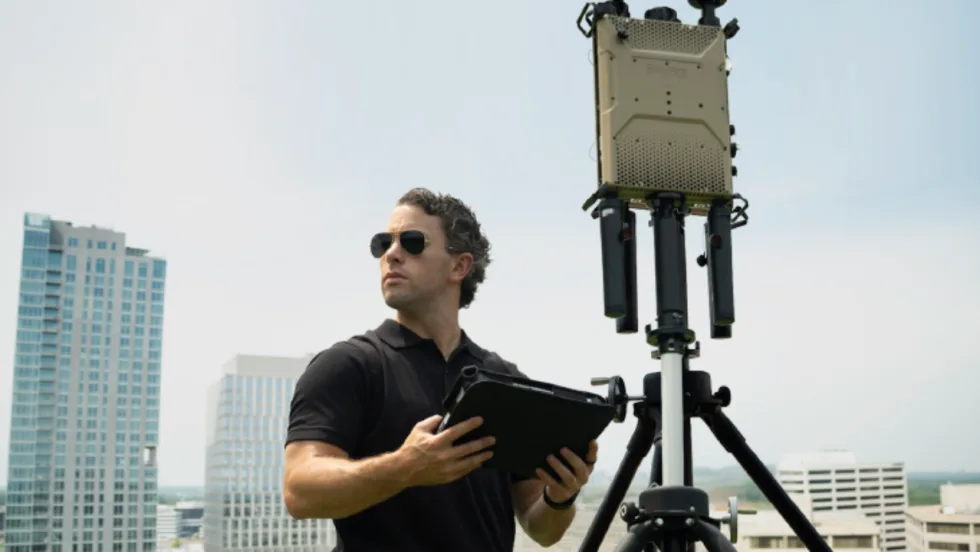
Motorola Solutions Completes Acquisition of D-Fend Solutions
Motorola Solutions has acquired D-Fend Solutions, an industry leader in counter-drone technology. This deal provides public safety and enterprise customers with access to advanced counter-unmanned aerial systems.
Read More →
ZeroEyes, Advantech & Camden Police Partner to Bring AI Gun Detection Technology to Delaware School District
ZeroEyes has partnered with Advantech and the Camden Police Department to deploy ZeroEyes’ AI gun detection and intelligent situational awareness platform at Delaware’s Caesar Rodney School District (CRSD).
Read More →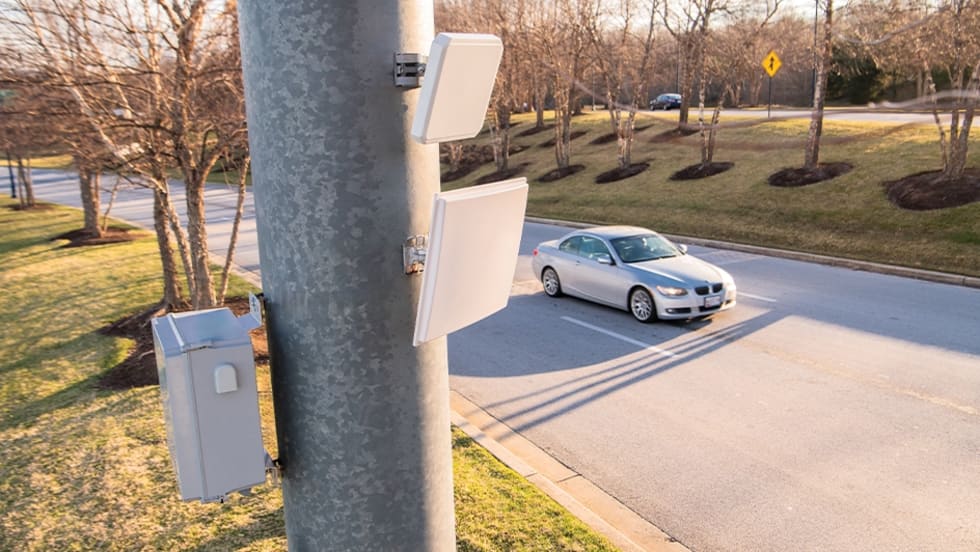
Leonardo U.S. Cyber & Security Solutions Introduces SignalTrace, the Next Evolution in Electronic Signature Detection Technology
SignalTrace reflects years of product refinement and a clearer expression of the technology’s purpose of recognizing and correlating electronic signatures in publicly broadcast wireless signals to reveal patterns, relationships, and trends that might otherwise go undetected.
Read More →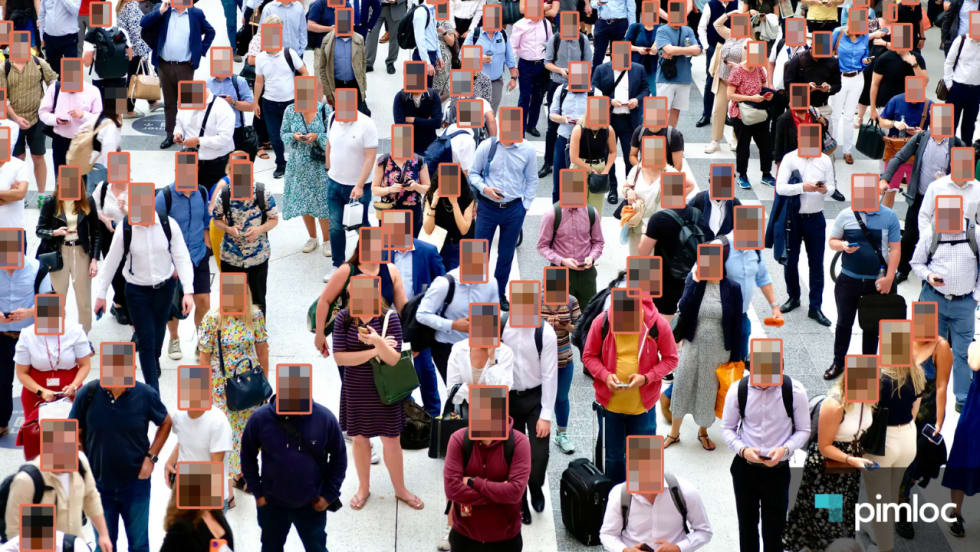
Pimloc Launches Secure File Sharing to Streamline Release of Redacted Video
Pimloc’s Secure File Sharing lets organizations deliver redacted video, audio, and documents through expiring, passcode-protected links, accelerating delivery while reducing security, compliance, and chain-of-custody risks.
Read More →