



Picture This
Although digital cameras are certainly high-tech and have a lot more power and control than their film predecessors, they are still only as good as the officer holding them.

Evidence photography has come a long way in the last decade. Most departments have transitioned from taking Polaroids to digital. Although these new-age cameras are certainly high-tech and have a lot more power and control than their film predecessors, they are still only as good as the officer holding them.
Digital cameras aren’t tough to use, regardless of the make and model your department has issued. This month, we’ll look at a few simple tips aimed at improving our evidence photos, and at exposing the myth that digital cameras are “too tough” to use in the field.
Perspective
More so than any other type of photography, the proper perspective is critical in law enforcement photos. Perspective isn’t something most of us think of when snapping away at our kid’s baseball game or on vacation with the family. However, it needs to be the first thing we think of when lifting the camera from the duty bag. The proper perspective of an evidence photo can save a case, or allow a criminal to walk out of the courtroom with freedom he didn’t deserve.
When taking an evidence photo, think as both a district attorney and a defense attorney. Make sure you document all angles and all viewpoints possible when collecting your shots. Whenever possible, take a photo from the view the offender would have seen when committing the offense. This will cut off the all-too-common “he couldn’t see clearly” defense a lawyer may throw out in court. This technique is especially useful when recording traffic collisions and crimes dealing with vehicles.
Also, be sure you note the time of day the photos were taken, as well as the approximate time of the offense. Was the photo taken after dark, even though the offense occurred in the late afternoon? This makes a huge difference in court. Sunlight can make a crime scene a lot more open, just as darkness can make the same scene look secluded and out of the view of potential witnesses. Also be sure to take as many pictures as you need to accurately represent the crime scene, which leads to our next point.
Digital Film is Cheap!
OK, so there really isn’t film in that digital camera, but that is exactly my point. The photos you are taking aren’t going to cost your department anything to develop, and they have the ability to sit on a computer for years not taking up any space. So, feel free to shoot away! Digital photos are cheap, but the evidence they provide can be the difference between life and death in any crime. Remember, you never know what little point of evidence will turn crucial in a case.
Be sure you take shots from every angle and perspective you can think of. If you don’t need them later, they can be deleted. However, if you need a shot you didn’t get while at the crime scene, it is likely lost forever. Don’t be afraid to shoot a ton of pictures. Your district attorney and department will thank you later for the little extra work you put in at the scene.[PAGEBREAK]
Watch the Flash
One of the most common mistakes in evidence photography is the use, or misuse, of the camera’s flash. A flash can be a great tool, but it can also erase evidence quicker than it records it. We’ve all seen the shots of a suspect’s face that appears whiter than a headlight. Don’t make that mistake twice!
Flash photography can be of great use, but only when used correctly. The camera will try to figure out what you want it to illuminate with the flash by focusing on the object closest to the center of the viewfinder. Here’s a photo trick to get great flash shots at night. Have a fellow officer shine a flashlight right at what you want to focus the picture on. Depress the shutter (the button that takes the picture) halfway, allowing the camera to focus on that exact spot. Then, have your buddy turn his flashlight off and take your shot, holding still. The camera will fire the flash to illuminate the area you have already focused on, giving you a perfect shot. This little trick should greatly improve your flash photography at night.
If you have the ability to do so, try taking those close-up photos of people inside a well-lit building. Turn the flash off and let the camera take the shot using the available light in the room. This will normally turn out a lot better than a whited-out flash shot taken outdoors.
Remember, with digital cameras you have the ability to check your work right after the shot, which leads to our next point.
Check it Out
The beauty of a digital camera lies in the ability to check your work right after the shot. Film left us clueless on what the photo would look like until it came back from the photo lab. Even Polaroids didn’t do the trick as well as digital cameras do today. Once you take the picture, check your work! Look at the LCD screen on the camera to make sure you’ve gotten the shot you wanted. If not, take another one or even a few more until you’re satisfied with the photo.
Digital cameras have advanced law enforcement evidence photography a long way in a very short time. However, this technology is only useful if all officers can use it to their advantage in the field. You don’t always have time to call for the evidence technicians or your department’s resident “camera guy.” Using these simple tips should give you a leg up when recording those crucial details at your next crime scene.
For additional reading on protecting crime scenes and gathering evidence, read Crime Scene Response for the Patrol Officer (POLICE, January, 2006). – Ed
More Technology

Vasco Electronics Adds Automatic Language Detection to Vasco Translator Q1
Vasco Electronics’ software update introduces hands-free language switching and expanded offline translation across 45 language pairs, empowering law enforcement, healthcare, and front-office enterprise teams
Read More →
North Miami Police Department Deploys Mark43
The North Miami Police Department has deployed Mark43 as part of its Five-Year Strategic Plan that represents its collective vision and goals for a more proactive police department, anchored by a core commitment to leveraging modern technology to enhance efficiency and public safety.
Read More →
Cellebrite Genesis for Enterprise Now Generally Available
Made available to the public sector in June, Cellebrite Genesis is serving a growing mix of national, regional, and local agencies worldwide, including some of the largest regional and metropolitan police departments. It is now available for enterprise organizations.
Read More →

2026 Vision FirstNet Users Summit to Host Emerging Leaders Training on Grassroots Advocacy for Public Safety
“Emerging Leaders Training: Understanding the Importance of Grassroots Advocacy for Public Safety," a session during the 2026 Vision FirstNet Users Summit, will offer a roadmap for unified advocacy at the federal level.
Read More →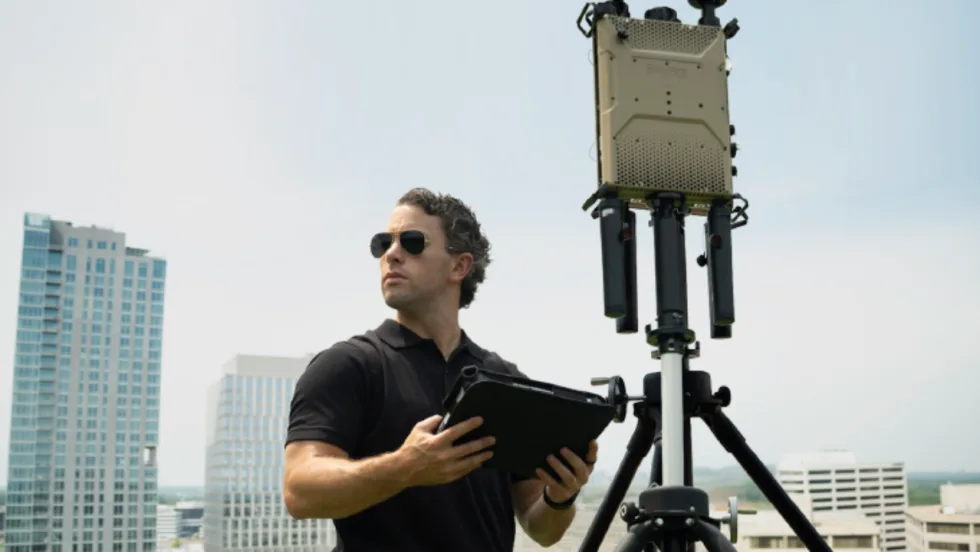
Motorola Solutions Completes Acquisition of D-Fend Solutions
Motorola Solutions has acquired D-Fend Solutions, an industry leader in counter-drone technology. This deal provides public safety and enterprise customers with access to advanced counter-unmanned aerial systems.
Read More →
ZeroEyes, Advantech & Camden Police Partner to Bring AI Gun Detection Technology to Delaware School District
ZeroEyes has partnered with Advantech and the Camden Police Department to deploy ZeroEyes’ AI gun detection and intelligent situational awareness platform at Delaware’s Caesar Rodney School District (CRSD).
Read More →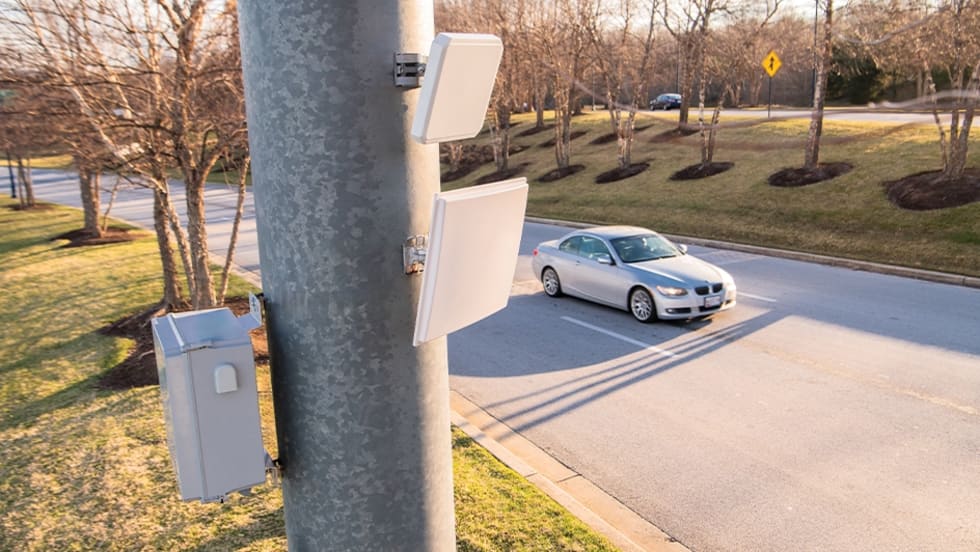
Leonardo U.S. Cyber & Security Solutions Introduces SignalTrace, the Next Evolution in Electronic Signature Detection Technology
SignalTrace reflects years of product refinement and a clearer expression of the technology’s purpose of recognizing and correlating electronic signatures in publicly broadcast wireless signals to reveal patterns, relationships, and trends that might otherwise go undetected.
Read More →
Pimloc Launches Secure File Sharing to Streamline Release of Redacted Video
Pimloc’s Secure File Sharing lets organizations deliver redacted video, audio, and documents through expiring, passcode-protected links, accelerating delivery while reducing security, compliance, and chain-of-custody risks.
Read More →
2026 Vision FirstNet Users Summit to Explore How FirstNet Fusion and LMR Are Redefining Mission-Critical Communications
One of the sessions at the 2026 Vision FirstNet Users Summit will highlight hybrid devices bridging broadband and LMR. “Bridging Broadband and LMR: FirstNet Fusion and the Rise of Hybrid Devices” will explore how public safety agencies can modernize their communications environments while maintaining the reliability of land mobile radio.
Read More →
Cellebrite Expands Exclusive SkySafe Partnership to Deliver Immediate Drone Detection and Airspace Intelligence for Digital Investigations at Scale
By integrating SkySafe's drone detection and airspace intelligence with Cellebrite's platform, agencies can connect real-time and historical UAV flight data with mobile forensic evidence, all in one place.
Read More →