



Posts for Public Consumption?
If you shot somebody tomorrow, how would the post you put online today read in the mind of Miss Mary Poppins sitting at her breakfast table?


Illustration: Sequoia Blankenship
A few years ago I was quietly sitting in the den watching a football game and checking the time on the turkey cooking in the oven when I heard my kids and my wife, the Sarge, laughing in the other room. We were together for the holidays and at first I thought it was the innocent laughter of seasonal cheer and a few beers; I was wrong. Shortly after that uproar I was commanded to view their handiwork, a new Facebook page devoted to my alter ego, J.D. "Buck" Savage.
I had to admit that it was well done and we posted a couple of law enforcement-oriented things and went about making the rest of the day a turkey-filled football party. I didn't give the project a moment's thought; after all, how much work could one simple Facebook page be?
Well, it turns out maintaining a fan page with thousands of "Likes" in a profession like crime fighting can become quite a project. It is fun to see the reaction to a new article, or a photo at a seminar, or a funny post such as the one of the K-9 sitting in a patrol car with the caption "Saw bad guy, bit same!" But does the public find it funny?
We like to think our social media posts are our little inside jokes, and that the public doesn't get a say. But more and more, after a critical incident the news media (cue the Darth Vader music from "Star Wars") immediately races to scour the various forms of communication we have used to expose our deepest thoughts. A couple of years ago I closed an otherwise positive conference on police uses of social media with a section I called "You bet your badge," where I showed various postings on Twitter and Facebook that contained job-threatening sayings, quotes, and pictures. Sadly, some were right off of my own sites.
Go to my Facebook page and you will see pictures of me with some crime fighters in Winnemucca, or my dog sleeping as I ramble on at a corrections conference in South Dakota, or the Sarge and me quaffing a brew after a Wisconsin talk. You will also see sad postings about the fallen and positive postings, and I like to celebrate a "Not Today!" moment when a warrior wins a battle against an evildoer. There's no fair and balanced here; I am unabashedly pro-police.
But what you will also find there if you read people's comments is that some of my friends have absolutely no filter on what they are willing to share with the world. I have good amigos who think every thought they have should be shared, and the day they win a gunfight I pray the media doesn't look them up and find their online comments.
It's OK to comment on things you are concerned about and to share a fun social moment. But, gang, think before you post. If you shot somebody tomorrow, how would the post you put up today about wishing they issued tags for "dirt bags" read in the mind of Miss Mary Poppins sitting at her breakfast table?
If your last 20 posts are pictures of you with some form of intoxicating beverage or acting the fool in uniform, what could Anderson Cooper do with that? "But, but," you say, "this is just a fun form of communicating with each other." Yes, it is, but the media loves to play the "gotcha" game, and social media has become a solid resource for negative material.
After a shooting the media won't report your positive postings about the Special Olympics Torch Run, or the charity football game against the firefighters, or the joy you felt when your CPR worked and that little drowning victim coughed water in your face, splashing away your tears. But the graphic you posted on your page that you thought was funny, with the caption, "Kill 'em all, let God sort 'em out!" will be on the front page of the paper and in the first column on the Drudge Report.
So friends, here is the bottom line: Before you post that picture, that funny saying, that comment, think about how the public will perceive it. We like to think we are a close community and we can talk amongst ourselves online, but social media is not like any form of communication we have ever known. And it provides us with just one more way to play that terrible game, You Bet Your Badge!
Dave Smith is an internationally recognized law enforcement trainer and is the creator of "JD Bu ck Savage." You can follow Buck on Twitter at @thebucksavage.
More Technology
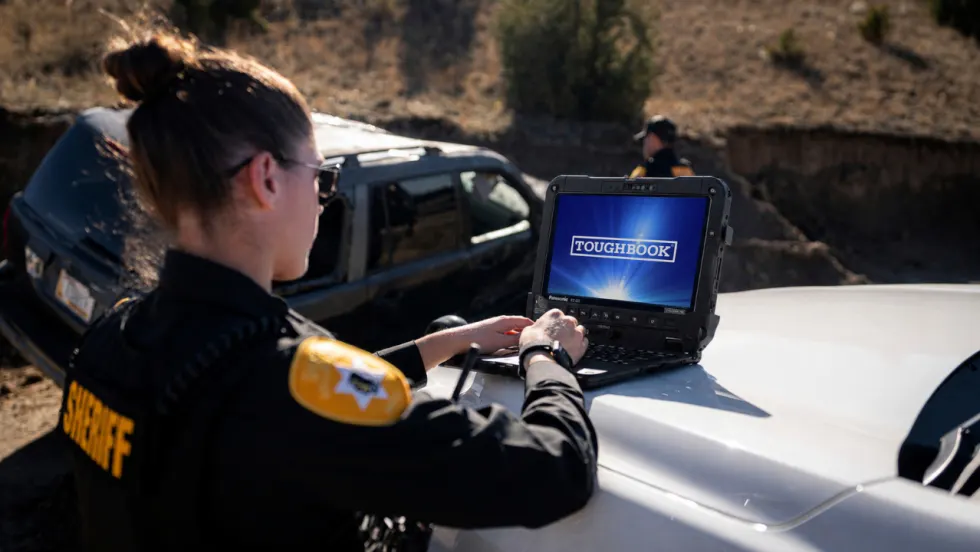
Panasonic Connect Launches the Toughbook 34 and Toughbook G3, Fully Rugged 2-in-1 Mobile Computers
Panasonic Connect has launched the Toughbook 34 and Toughbook G3 to facilitate in-vehicle dispatch, records management, and mobile command operations from any location.
Read More →
A police agency's guide to data-driven fleet management
Costs are rising and the public expects more transparency into how their tax dollars are spent. This e-book shows how police agencies can use fleet data to take control of fleet expenses while improving officer safety and demonstrating fiscal responsibility to the communities they serve.
Read More →
AI and analytics for law enforcement: Turning data into insights
Law enforcement agencies are managing more video, sensor data and digital evidence than ever before. Discover how AI and analytics can help turn that data into actionable insights that strengthen situational awareness, accelerate investigations and support more informed decisions.
Read More →

Vasco Electronics Adds Automatic Language Detection to Vasco Translator Q1
Vasco Electronics’ software update introduces hands-free language switching and expanded offline translation across 45 language pairs, empowering law enforcement, healthcare, and front-office enterprise teams
Read More →
North Miami Police Department Deploys Mark43
The North Miami Police Department has deployed Mark43 as part of its Five-Year Strategic Plan that represents its collective vision and goals for a more proactive police department, anchored by a core commitment to leveraging modern technology to enhance efficiency and public safety.
Read More →
Cellebrite Genesis for Enterprise Now Generally Available
Made available to the public sector in June, Cellebrite Genesis is serving a growing mix of national, regional, and local agencies worldwide, including some of the largest regional and metropolitan police departments. It is now available for enterprise organizations.
Read More →
2026 Vision FirstNet Users Summit to Host Emerging Leaders Training on Grassroots Advocacy for Public Safety
“Emerging Leaders Training: Understanding the Importance of Grassroots Advocacy for Public Safety," a session during the 2026 Vision FirstNet Users Summit, will offer a roadmap for unified advocacy at the federal level.
Read More →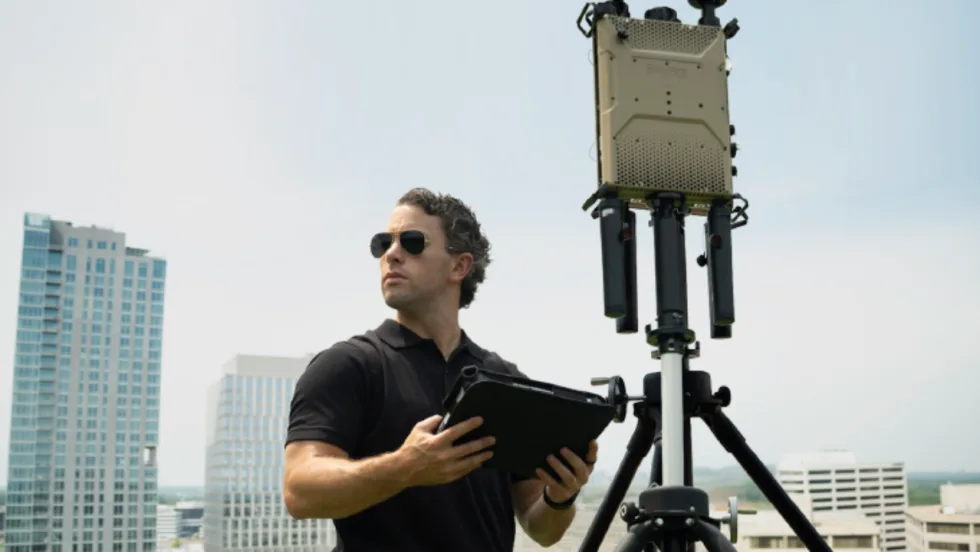
Motorola Solutions Completes Acquisition of D-Fend Solutions
Motorola Solutions has acquired D-Fend Solutions, an industry leader in counter-drone technology. This deal provides public safety and enterprise customers with access to advanced counter-unmanned aerial systems.
Read More →
ZeroEyes, Advantech & Camden Police Partner to Bring AI Gun Detection Technology to Delaware School District
ZeroEyes has partnered with Advantech and the Camden Police Department to deploy ZeroEyes’ AI gun detection and intelligent situational awareness platform at Delaware’s Caesar Rodney School District (CRSD).
Read More →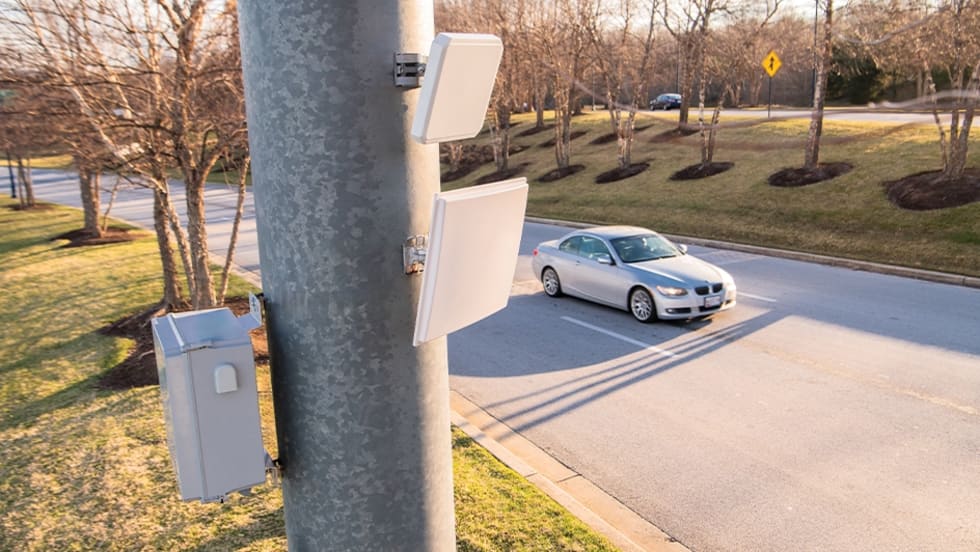
Leonardo U.S. Cyber & Security Solutions Introduces SignalTrace, the Next Evolution in Electronic Signature Detection Technology
SignalTrace reflects years of product refinement and a clearer expression of the technology’s purpose of recognizing and correlating electronic signatures in publicly broadcast wireless signals to reveal patterns, relationships, and trends that might otherwise go undetected.
Read More →