
In 1997, there were several manufacturers that produced AR-15 rifles. Colt was the primary supplier to the U.S. military and a household name in the law enforcement community. Omaha police were authorized to carry the Colt and three others. In 2012, the firearms industry is awash with AR-15 builders and most of the weapons they produce are well made and street ready.
The full-length AR-15 with a fixed stock and 20-inch barrel has lost the popularity contest to the adjustable-stock, 16-inch barreled AR-15 carbine. The carbines are better suited for maneuvering in and out of a patrol car. They're easier to use in doors and at close quarters. And they're lighter.
The AR-15 was an offshoot of the AR-10, the innovative infantry rifle designed by Eugene Stoner in 1955 while he was the chief engineer at ArmaLite.
Stoner used a direct gas impingement system, meaning that gas from a fired round acts directly on the bolt carrier assembly via a gas tube in the upper receiver.
More recently, piston-driven ARs have entered the patrol rifle race. In this system, the gas acts upon the piston upfront at the gas block to drive the bolt carrier. Gas and other residue never reach the receiver and fire control components to cause carbon fouling. The piston-drive system runs cleaner—a strong benefit in harsh field conditions. Of the 20 rifles in a class I taught this past month, five were piston driven. Only time will tell whether it supplants the direct gas impingement method of operation.
As the years passed, more players have entered the patrol rifle arena. Officers have been known to use the FN FS2000, a reliable bullpup rifle chambered in 5.56mm; Steyr AUG; SIG 556, HK G36 or G36K; and the Ruger Mini-14.
Troy Industries BUIS rear sight. Photo: Bob Parker
 |
The tried-and-true AR platform now rules the patrol rifle domain. From the butt stock to flash suppressor, the AR-15 is arguably the most customized and accessorized fighting rifle in the world.
Most butt stocks are adjustable for length of pull with four and six positions becoming the norm. Some have storage compartments. Others arrive in a precision rifle configuration. Pistol grips come in a multitude of shapes and sizes. Officers can configure the rifle with an assortment of charging handles, ambidextrous safeties, triggers, and differently sized trigger guards.
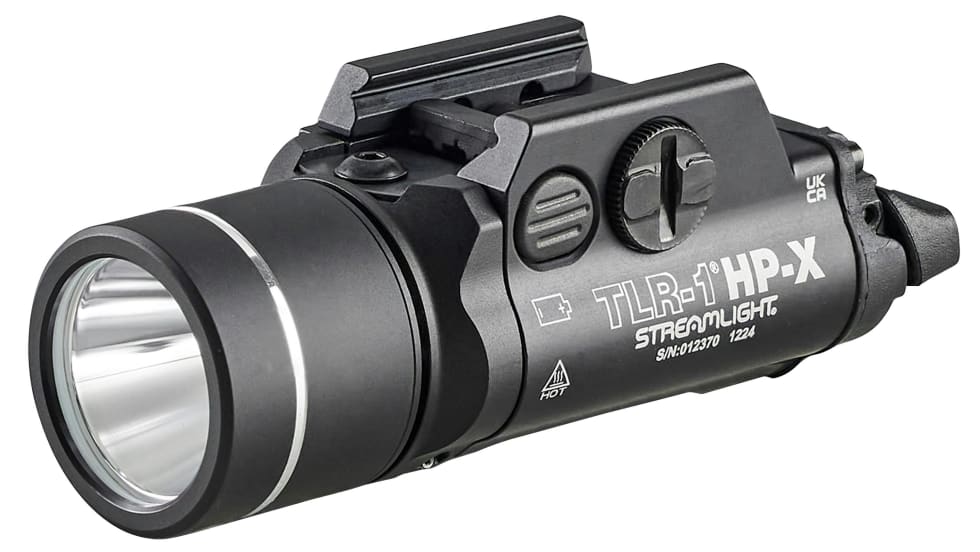
It was once difficult to remove the AR hand guard with the heavy spring in the delta (slip) ring. Then came the hand-guard removal tool (HRT). Instead of a standard two-piece AR-15 hand guard, officers now use quad rails, tri rails, and partial rails. Picatinny rails accommodate almost any accessory you can think of—lights, vertical fore grips, and night-vision devices.
If you don't like the flash suppressor that came from the factory, there are a plethora of aftermarket supressors that effectively reduce the muzzle signature of patrol rifles with short barrels. Some even come with "teeth" that can be used for pain compliance or other tasks.
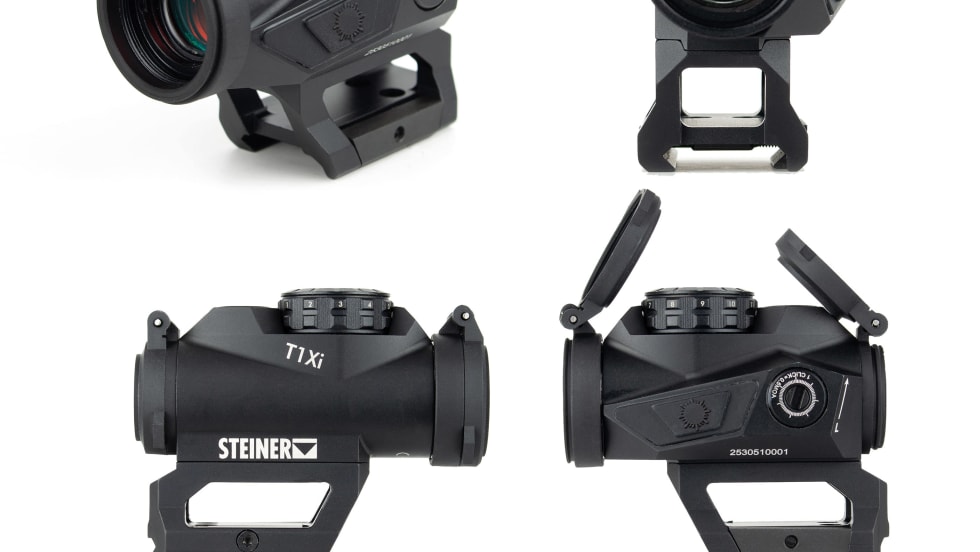
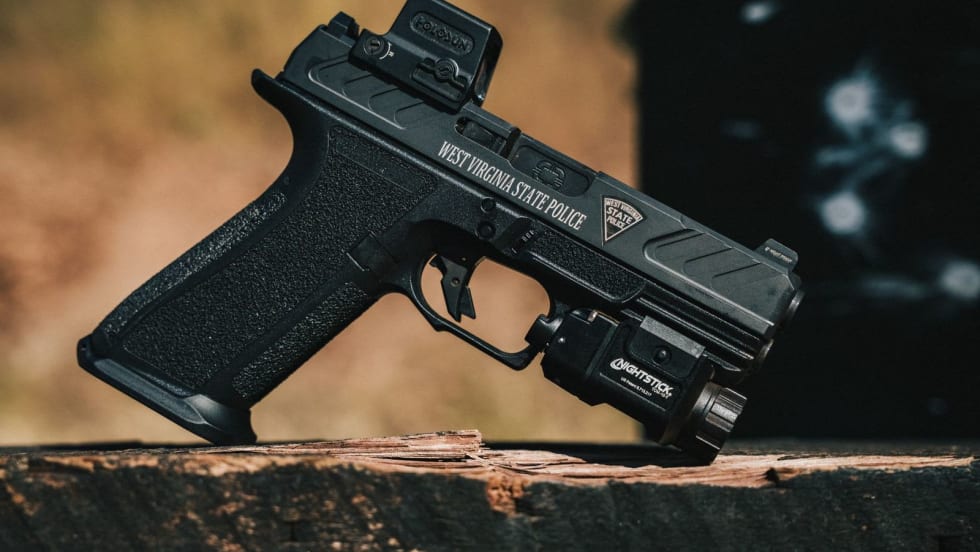
In 1997, iron sights were the norm, and the rear sight was attached to the AR-15 "carry handle." Electronic, red-dot, eyes wide-open sighting devices are now found on a great number of patrol rifles. Many of these are robust, Mil-Spec pieces that can take a whole lot of abuse and still function on the street. Officers can more quickly acquire targets with these electronic reticles in dim-light and quick-moving Close Quarters Battle scenarios. Electronic sights should be used with co-witness backup iron sights (BUIS) to give you a redundant system.
The verticle fore-grip, whether in polymer or aluminum, has become another popular add-on. Several have storage compartments.
As for slings, the older military style was a two-point sling with swivels on the bottom of the butt and under the front sight tower. Three point slings were hot for a while, then single-point had its day. Lately, it's been back to a tactical two-point setup that eliminates some to the sway and swing caused by the single-point system.
Ammunition manufacturers provide a glut of choices in 5.56mm (or the similar .223 Remington) for law enforcement, including general-purpose patrol rounds, barrier penetrators, long range, and even Zombie rounds for future threats. With so many variables involved in a firefight, terminal ballistics of some rounds don't meet the shooter's expectations.
In many agencies, the 44 minutes in North Hollywood brought about the issuance of patrol rifles as well as improved tactical training for patrol officers. It wasn't just a matter of learning to shoot the new weapon platform. It involved "shooting, moving and communicating." Street cops would be able to stand and fight on their own rather than waiting for SWAT.
The landscape has changed in the past 15 years, yet the inherint dangers of police work remain unchanged. In the aftermath of North Hollywood, naysayers said the massive shootout was a once-in-hundred-year event. The past 15 years have shown us how these events are becoming more common. On duty, if you get into a deadly force confrontation, with just your pistol, use it to fight your way back to the rifle you should have brought to the fight in the first place.
Bob Parker is the Patrol Section chair for the NTOA. He is also a former Omaha PD SWAT commander.
Related:
The North Hollywood Bank Robbery (podcast)
5 Gunfights That Changed Law Enforcement
Communicate, Move, Shoot
LAPD Faces Urban Warfare In North Hollywood Bank Shoot-Out