
Digital Scopes
Probably the greatest advance in weapons optics that we will see in the next few decades will be the digital scope. It's coming, but no one that POLICE contacted for this story would hazard a guess as to when.
"That's the real game changer," says Leupold's O'Connor. "Once you go there, everything opens up."
Using a digital scope, a shooter would be looking at a display screen instead of through the optic. A camera would capture everything the shooter saw and preserve it as evidence. The technology exists today to do this, but it's bulky and the sight is not as precise as a conventional optic.
And size and precision are just some of the problems that have to be solved in order to develop a digital combat scope. The system would have to survive combat conditions, maintain zero, and be energy efficient so that operators wouldn't have to worry about their batteries under fire. The current models of digital scopes are really only practical for hunters.
"It takes a while to get off the bleeding edge with something like that," says O'Connor. "The cameras have to become much smaller and the displays more robust."
But once off the bleeding edge, the payoff for digital technology in CQB scopes could be huge. A single, compact scope could incorporate night vision, thermal, rangefinding, bullet drop compensators, and even capture video evidence to justify the shooting in court.
Such predictions have to be taken with a grain of salt, however, because tactical shooters tend to be hesitant to adopt new technology. For obvious reasons, they don't like to go into combat with something unproven. O'Connor says that's especially true of SWAT snipers. "Most law enforcement guys in a sniper situation are using 10- or 15-year-old glass on their rifles," he explains.
What new types of combat optics will be developed between now and 2021 is hard to say. But one thing's for sure, the CQB scopes of tomorrow will be smaller, more powerful, and smarter.
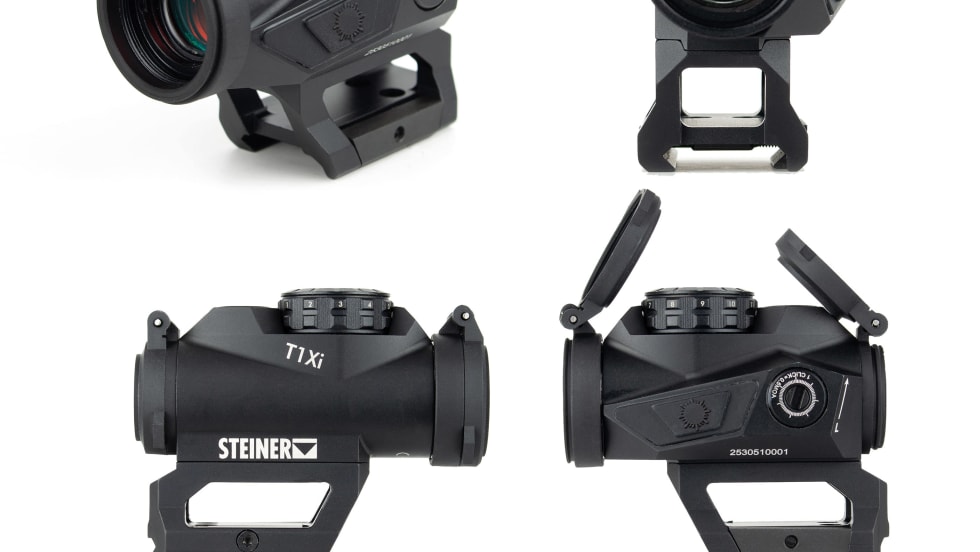
Aimpoint Micro T1
 |
Duty Pistol Optics
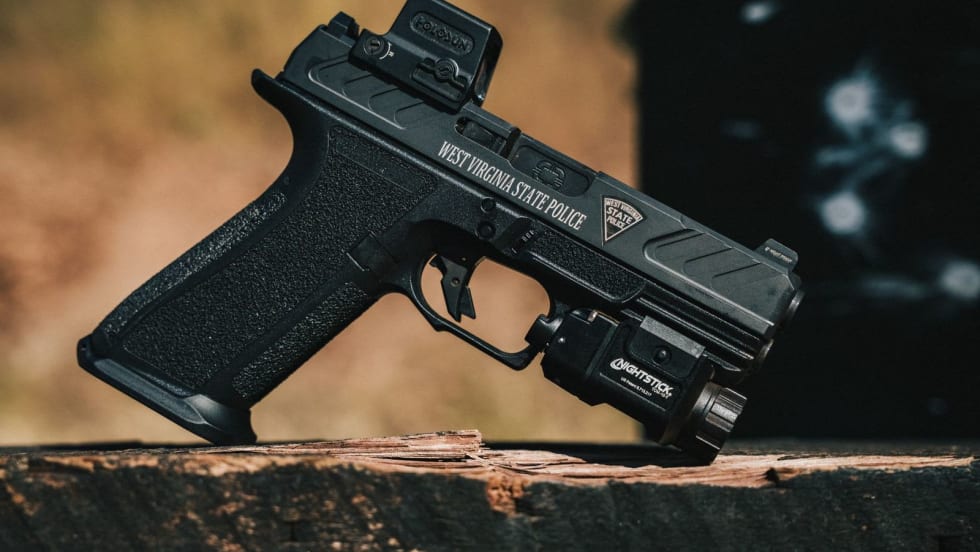
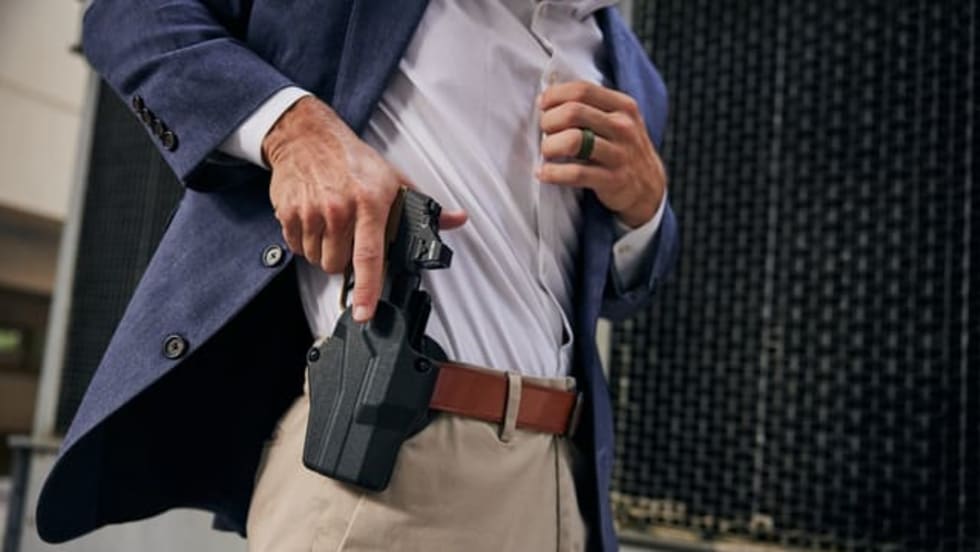
Very few officers now use combat optics on their duty pistols, but that's expected to change in the near future.
The advantages to optics on a duty pistol are evident in any pistol competition that permits them. Shooters can acquire targets much more quickly and make more precise shots at longer distances.
Manufacturers are getting ready for law enforcement to adopt this technology. "We've got a mount for the Glock pistol now for our Micro," says Brian Lisankie, president of Aimpoint. "You can zero that sight and ring steel at 75 to 100 yards."
Leupold law enforcement sales manager Tim O'Connor believes pistol optics will soon be very common in law enforcement. "As red dot sights become more reliable and more energy efficient, you will see more pistol sights," he says.
O'Connor adds that some manufacturers are already producing Level III retention holsters for duty pistols equipped with optics.
For More Information:
Aimpoint
L3-EoTech
Leupold
Night Force Optics
Reset
Trijicon