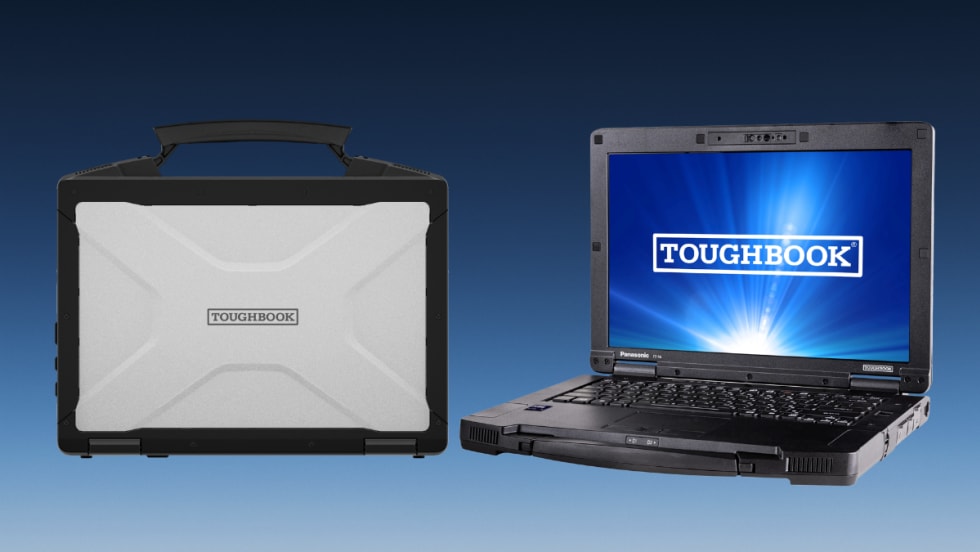


Increasingly, law enforcement agencies issue electronic communication and information equipment to employees for their use in performing official duties. Such devices may include desktop or notebook computers, mobile digital terminals in police cars, iPads, cell phones, pagers, BlackBerrys, and other products that will come onto the market as the technology develops.
Access to and use and monitoring of the information stored or transmitted by means of such devices may be subject to a variety of employer policies, state and federal statutes, constitutional provisions, and case law.
Though courts have generally lagged far behind in the task of applying yesterday's rules to today's technological innovations, an opinion issued in 2010 by the U.S. Supreme Court (in a case considering a set of facts from nine years earlier) made a very limited attempt to give constitutional guidance. The issue presented was whether police managers violated a sergeant's Fourth Amendment privacy rights by auditing the sergeant's text messages sent during duty hours over a department-issued electronic paging device.
City Of Ontario V. Quon
Jeff Quon was a SWAT sergeant at the Ontario (Calif.) Police Department. In 2000, he signed a written statement acknowledging that he had read and understood the department's "Computer Usage, Internet and E-mail Policy." This policy specified that the City "reserves the right to monitor and log all network activity including e-mail and Internet use, without notice. Users should have no expectation of privacy or confidentiality when using these resources."
The next year, Quon was issued an alphanumeric pager capable of sending and receiving text messages. Although the computer policy did not specifically mention text messaging, managers notified employees that the policy would also apply to the new devices.
The department had estimated how many text characters officers were expected to use in a month on the job and had signed a service agreement with the provider based on that estimate. When it was later apparent that some officers were greatly exceeding their monthly allotments, management decided to conduct an audit to assess the need to revise the service contract, to eliminate the monthly task of collecting fees from officers for the excess usage and remitting to the provider.
In the course of this audit of on-duty texting, management discovered that Quon was using the pager for personal messaging during work hours. In one month, for example, Quon sent or received 456 messages while on duty, of which no more than 57 were considered to be work-related. On an average workday, he sent or received 28 messages, of which only three related to police business.
As a result of these findings, Quon was disciplined, apparently for unauthorized personal use of official equipment. He then sued the department, claiming a violation of his Fourth Amendment rights.
Although Quon and other plaintiffs questioned the propriety of the managers' reading of officers' messages, the jury found that the employer conducted the audit of Quon's texts for a legitimate, work-related purpose-namely, to evaluate the need for a new service agreement. The Fourth Amendment claim was therefore dismissed.
On appeal, the Ninth Circuit Court of Appeals reversed, ruling that Quon had a reasonable expectation of privacy in his on-duty text messages in spite of the computer policy, and that the employer's audit was an unreasonable invasion of that privacy right. The City appealed to the U.S. Supreme Court.