

Photo courtesy of Edward Santos.
 |
You are about to initiate a nighttime traffic stop. Subconsciously you are simultaneously considering your own safety and the safety of the driver. You start the process by picking a safe spot to pull the driver over. Then you begin to look for any suspicious movements and or activity in the suspect vehicle. Next comes the call out and the activation of your equipment and you begin to position your patrol vehicle according to department policy and or your personal preferences.
Traffic stops are second nature to most patrol officers but even the most routine activities become more complex when executed in diminished light. Let's review nighttime traffic stop safety procedures that you should know and then we'll look at some additional considerations that can help increase your safety during a nighttime traffic stop.
Vehicle Placement
In 2002 Ford Motor Company and the National Highway Transportation Safety Administration (NHTSA) developed a best practice recommendation for vehicle placement based on computer simulations and real world application/testing. Unfortunately, many departments by policy require vehicle positions on traffic stops that limit suspect vehicle illumination and ultimately put officers at a distinct disadvantage, especially during nighttime traffic stops.
Ford and NHTSA concluded that the safest position for stopping a vehicle is to move the stopped vehicle off the roadway as far from moving traffic as possible. If that is not possible and if the officer has chosen the offset left position for stopping a vehicle, the best protection for a pedestrian officer while he is at the stopped vehicle's driver side door is to position the vehicle according to the rules set forth in the acronym STOP:
- Space the vehicle about one car length away
- Turn the steering wheel to the right
- Offset your vehicle with the stopped vehicle 50%
- Parallel the road
Use Your Lights
Now that we've discussed how to have the subject vehicle pull over and where, let's look at how to use your lights to your tactical advantage.
Use your high beams, spotlights, and takedowns to light the entire subject vehicle. You are creating a "Wall of Light" that will overwhelm the occupants of the subject vehicle with intense light that disrupts their ability to see to the rear.
Set the spotlights up to match your preferred vehicle position. If you have only one spotlight on your patrol car it should be pre-set so it requires minimal adjustment to illuminate the interior rearview mirror of the subject car. If you have two spotlights, aim the passenger side light at the interior rearview mirror and aim your side light at the subject car's driver’s side mirror.
The Approach
More officers than you may think have been killed making the second approach during a traffic stop. There are many theories for why officers are particularly vulnerable at this stage of a traffic stop.
- The suspects know that the officers have called in their plates and driver license numbers and now know the suspects are wanted.
- The suspects have had a chance to assess the officers and their tactics and have had time to formulate plans of attack.
- The suspects have had time to build up their courage to assault the officers as they return.
Handheld Lights
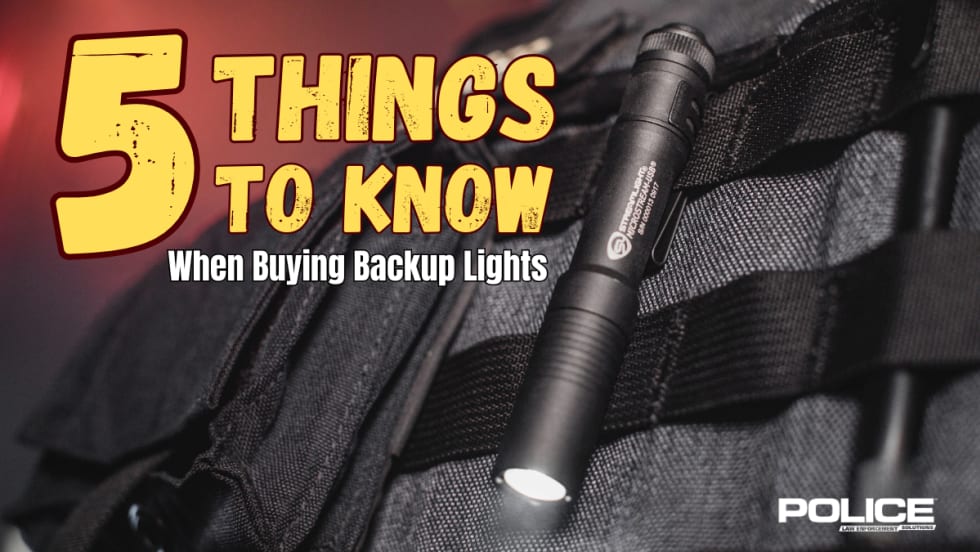
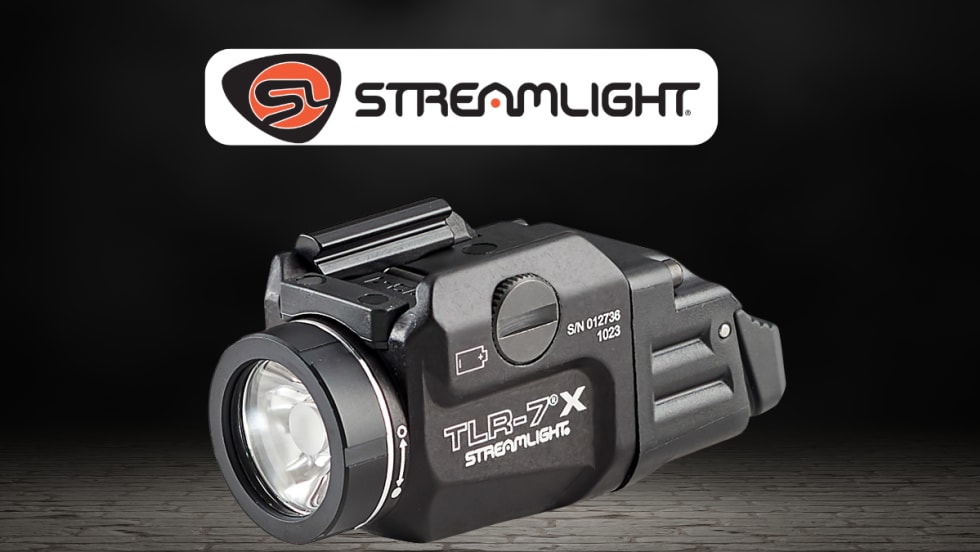
Whether it's the first approach or a subsequent approach your tactics must be sound. In particular at night your use of all your lights must always enhance your survivability. This includes your handheld lights.
Whether you choose a passenger side approach or a traditional driver’s side approach, the way you use your handheld light can mean the difference between a safe traffic stop and a disastrous one.
The passenger side approach is an option you should add to your tactical toolbox. Although it’s not always appropriate or even possible because of the location or circumstances, the passenger side approach keeps you farther away from the traffic flow. In addition, most drivers expect you to approach on the driver's side. So suddenly appearing on the passenger side can afford you the element of surprise and a much better view of what is taking place in the vehicle.