Police Magazine

 MENU
MENU SEARCHMENUSEARCH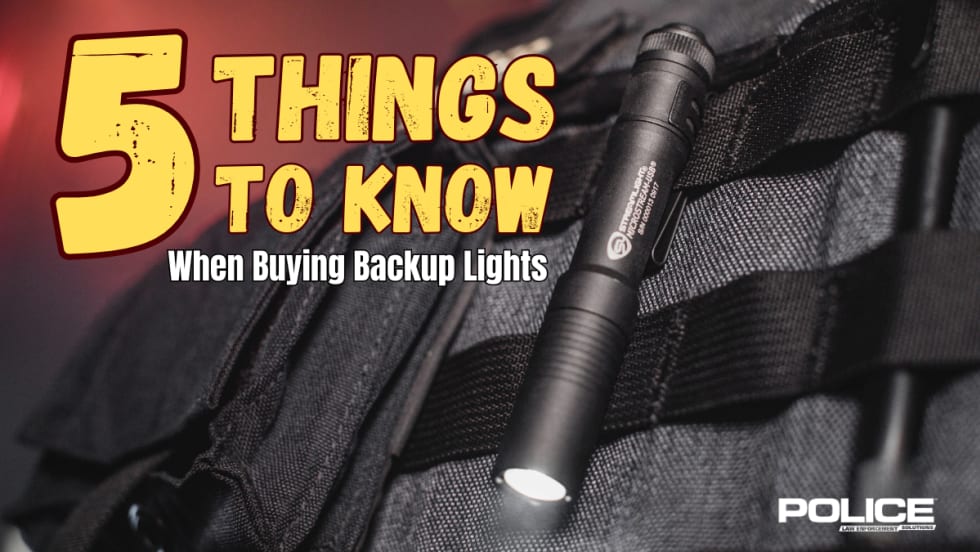
What is the value of a backup light, and what do you need to consider when selecting one? These smaller lights are invaluable as a secondary or special-purpose light and can be easily carried in a pocket or clipped to MOLLE gear, a key chain, shirt, or a vest.
Read More →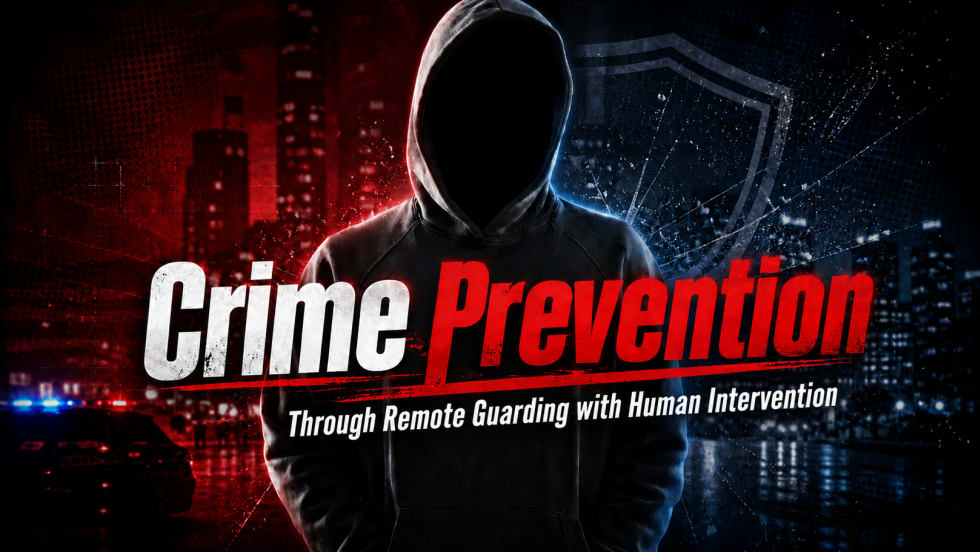
Elite Interactive Solutions tackles crime prevention with technology and human intervention, working closely with local police to provide insights when a response is needed. The key is to blend the latest in remote video monitoring, artificial intelligence, and a well-trained agent with eyes on the scene.
Read More →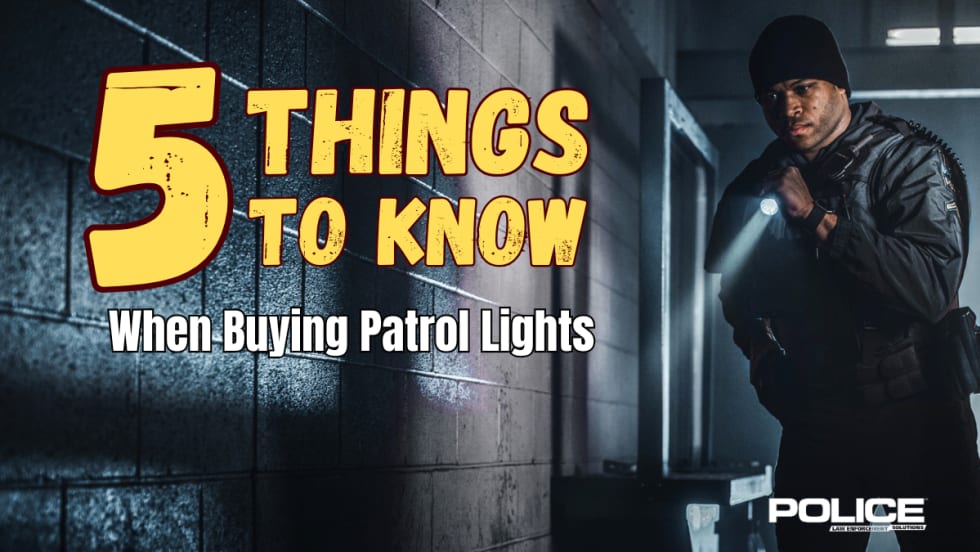
Whether it’s time to buy a personal patrol light or make the decision for the next department-issued patrol light, what do you need to know? How do you weigh the different variables and make the best choice?
Read More →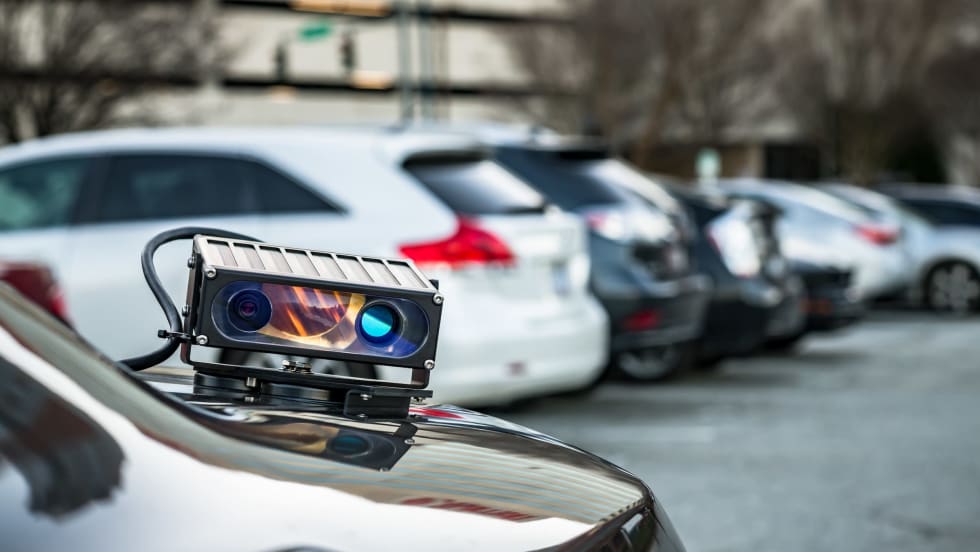
ALPR solutions provider Leonardo explains why leveraging technology for safety must never come at the expense of constitutional rights or community trust. Every action within an ALPR system should be logged in a tamper-proof audit trail with query records of who accessed what data, when, and for what purpose.
Read More →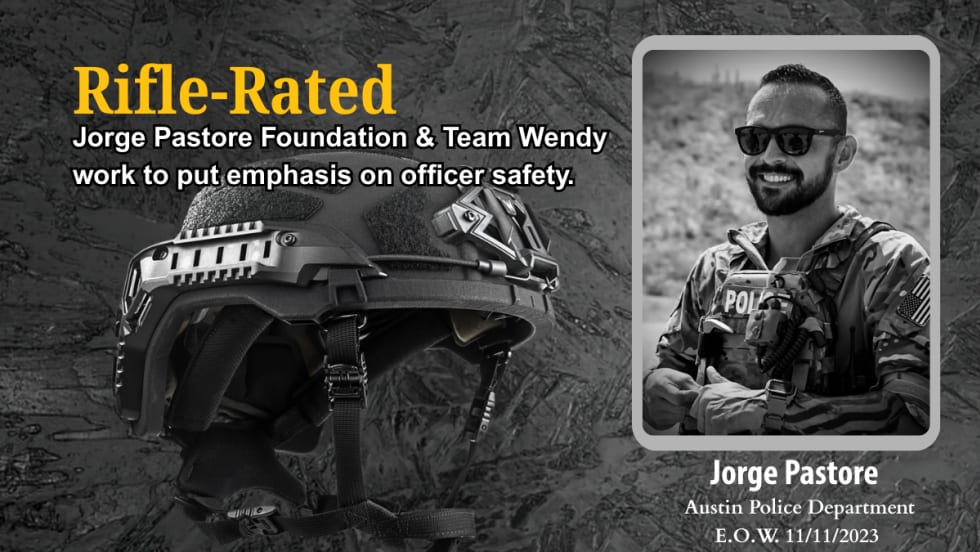
The mission of the Jorge Pastore Foundation is to support first responders through essential training, stronger community engagement, and mental wellness resources, all accessible and funded through donations, sponsorships, and foundation-led fundraising. It works closely with Team Wendy in the discussions about developing better protective gear for officers.
Read More →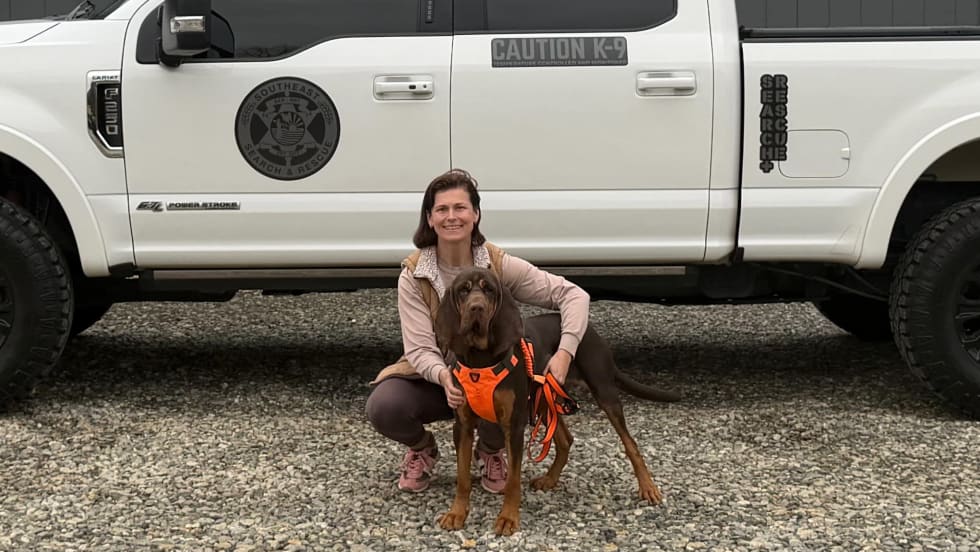
Real-world scenarios show that a tracking canine can detect and follow a human track several hours after it was made.
Read More →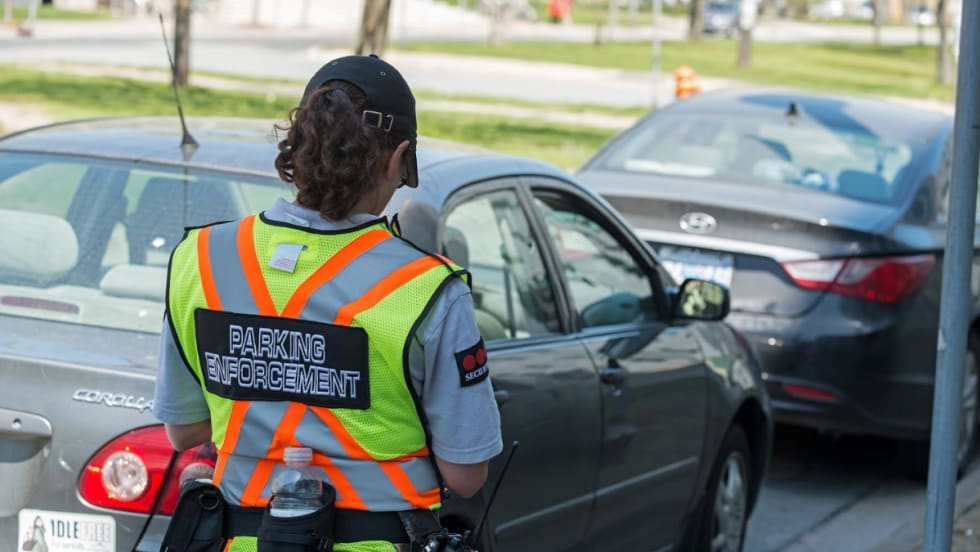
For police and transportation departments, traditional parking enforcement exposes officers to risk, such as standing on busy roads to issue paper tickets or catching offenders in dangerous, congested areas. Modern technology changes this, reducing exposure, speeding processes, and limiting confrontations.
Read More →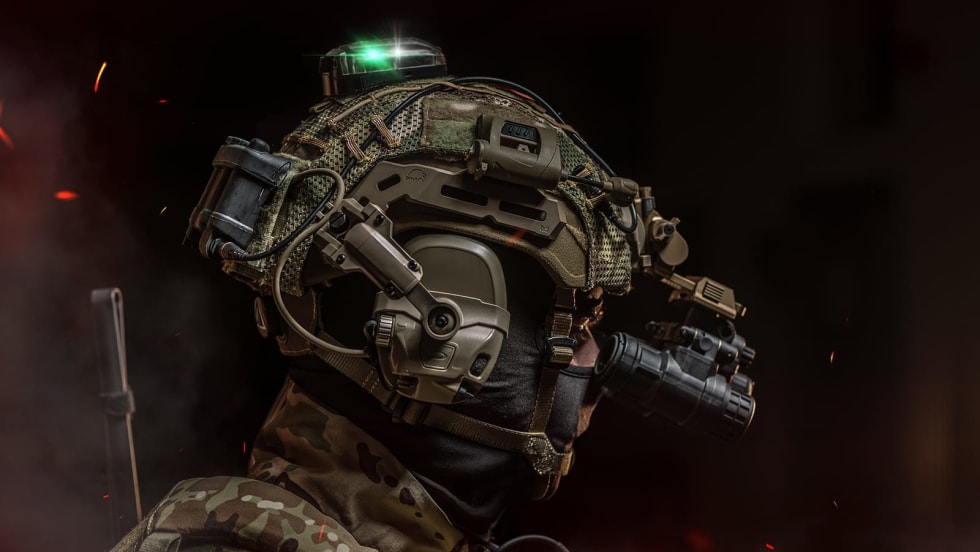
Alex Poythress, co-founder and CEO of Ballistic Armor Co., explains why ballistic helmet buyers should insist on full test data, including BFD measurements, standoff distance, and padding configuration, rather than rely solely on penetration ratings.
Read More →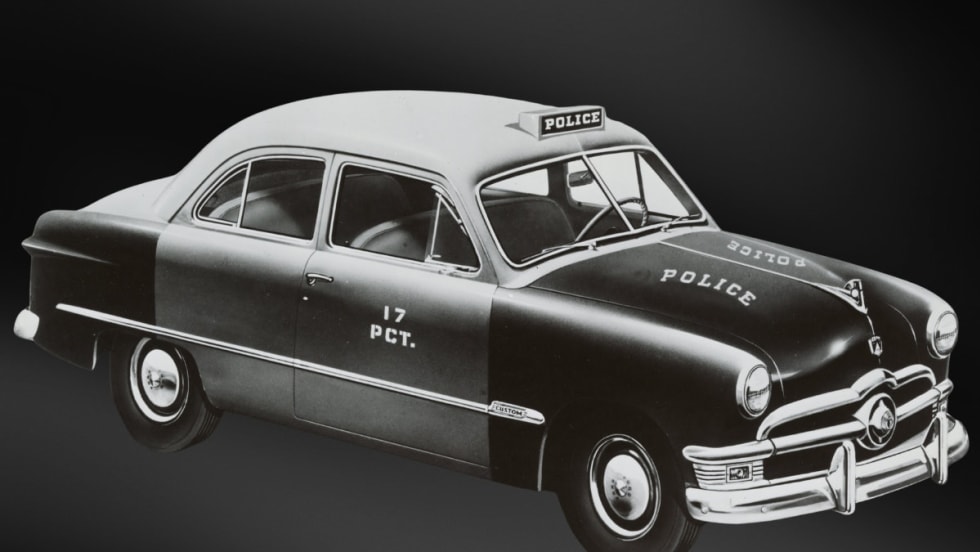
From 1950 to 2025, Ford has produced many of America’s most iconic law enforcement cars, SUVs, and trucks. POLICE Magazine takes you through the history of Ford’s police vehicles.
Read More →
Can an individual be prosecuted for despicable criminal conduct based on evidence obtained in violation of the United States Constitution? Ultimately, the Ninth Circuit judges wrote, “In the circumstances of this case (United States v. Holcomb, 23-469 (9th Cir. 2025)), respect for the Constitution and the rule of law requires an answer of “no.”
Read More →